
Science on Station
-
NASA
Station Science Top News: Oct. 18, 2024
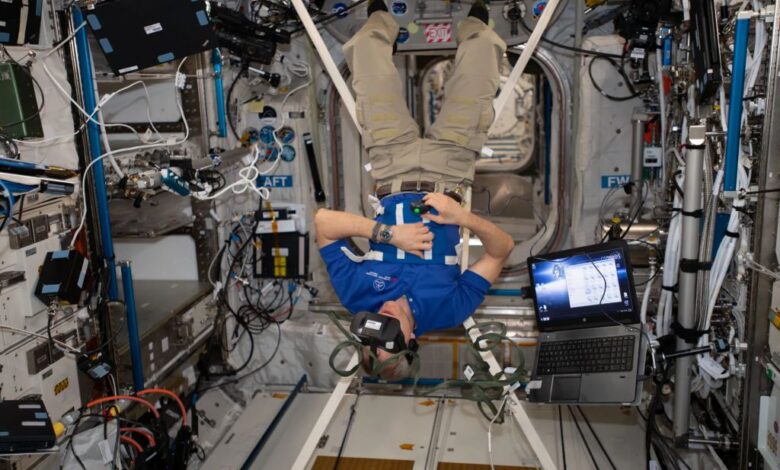
Microgravity had no immediate effect on a person’s ability to perceive the height of an object, indicating that astronauts can safely perform tasks that rely on accurate and precise height judgments soon after arrival in space. We use the height and width of objects around us to complete tasks such as reaching for objects and deciding whether we can fit through an…
Read More » -
NASA
Spooky on the Space Station
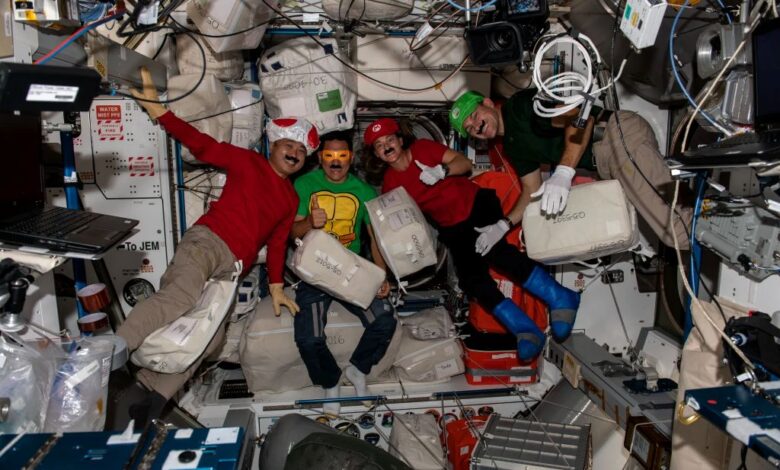
Science in Space: October 2024 Cultures around the world celebrate Halloween on Oct 31. In many places, in addition to people wearing costumes and eating candy, this day is associated with spooky decorating using fake blood, skeletons, flies, and spiders, some of them glow-in-the-dark. Crew members on the International Space Station have been known to indulge in a bit of dressing up…
Read More » -
NASA
Station Science Top News: Oct. 4, 2024
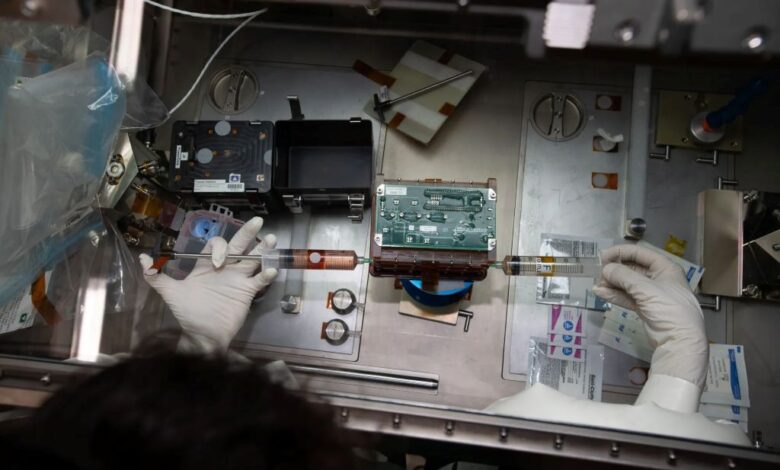
Engineered heart tissues in space showed impairments that led to increased arrhythmias and loss of muscle strength, changes similar to cardiac aging. This finding suggests that the engineered tissues, essentially an automated heart-on-a-chip platform, can be used to study cardiac issues in space and aging-related cardiovascular disease on Earth. Microgravity exposure is known to cause changes in cardiovascular function similar to those…
Read More » -
NASA
Station Science Top News: Sept. 27, 2024
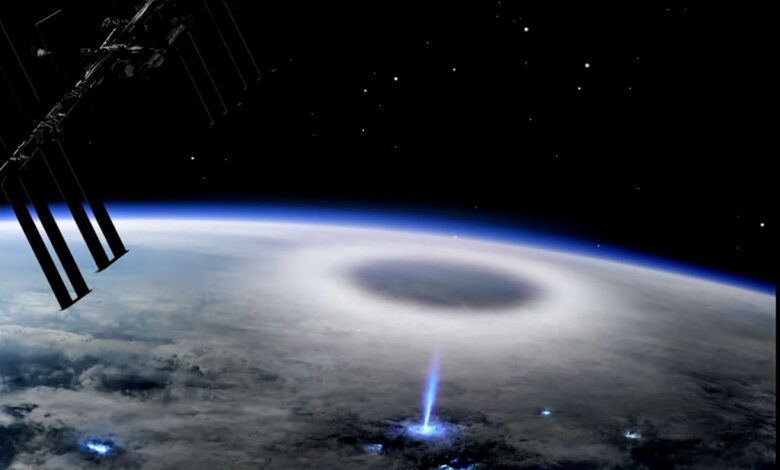
Researchers found that long-duration spaceflight affected the mechanical properties of eye tissues, including reducing the stiffness of tissue around the eyeball. A better understanding of these changes could help researchers prevent, diagnose, and treat the vision impairment often seen in crew members. SANSORI, a Canadian Space Agency investigation, examined whether reduced stiffness of eye tissue contributes to vision impairment in astronauts on…
Read More » -
NASA
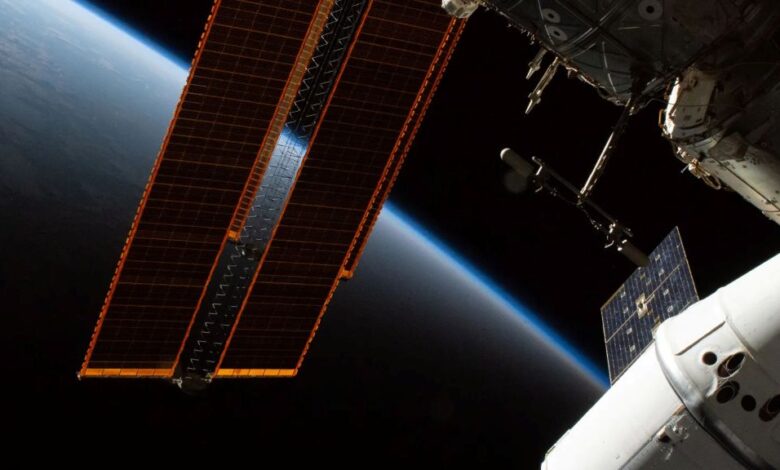
Educational Activities in Space
Science in Space: September 2024 As students of all ages returned to school this month, crew members on the International Space Station continue to conduct a variety of educational programs and activities that support learning on the ground. These efforts are part of a wider commitment at NASA to engage, inspire, and attract future generations of explorers and to build a diverse…
Read More » -
NASA
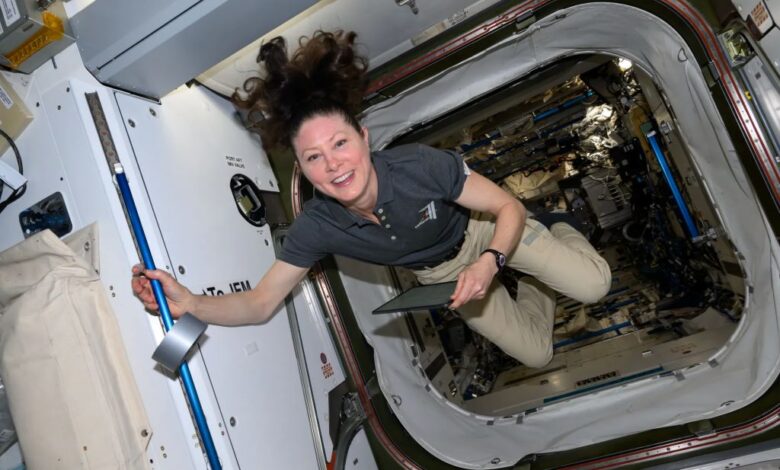
NASA Astronaut Tracy C. Dyson’s Scientific Mission aboard Space Station
NASA astronaut Tracy C. Dyson is returning home after a six-month mission aboard the International Space Station. While on orbit, Dyson conducted an array of experiments and technology demonstrations that contribute to advancements for humanity on Earth and the agency’s trajectory to the Moon and Mars. Here is a look at some of the science Dyson conducted during her mission: …
Read More » -
NASA
Station Science Top News: August 23, 2024
Researchers successfully produced cellulose from bacteria cultured on the International Space Station for four weeks. The bacteria used in the experiment, K. hansenii, is known to produce the highest amount of cellulose and could be considered for large-scale production in microgravity to support the development of materials used in construction, clothing, and the supply of energy. Ice Cubes Experiment Cube #4, #5-…
Read More » -
NASA
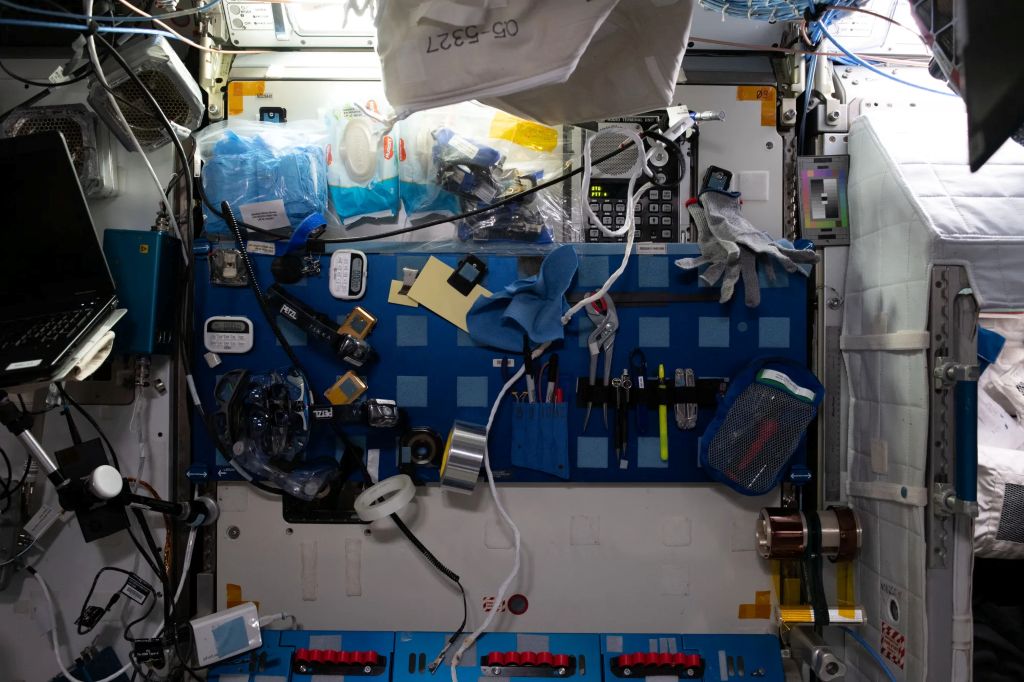
Station Science Top News: August 16, 2024
Locations designed as a maintenance work area and an exercise area on the International Space Station are commonly used by crew members for stowage and body maintenance activities, respectively. These differences between intended and actual use demonstrate that systematic observation of material culture can help researchers identify how astronauts adapt to life in microgravity and support better design of future spacecraft and…
Read More » -
NASA
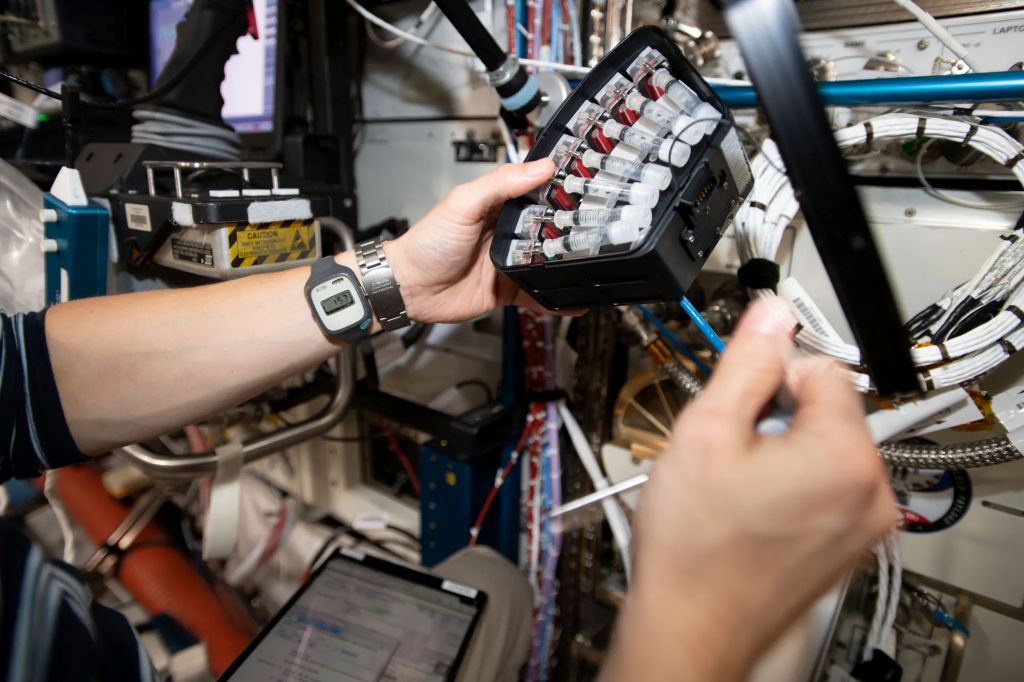
Station Science Top News: August 9, 2024
Researchers tested a treatment on cartilage and bone tissue cultures subjected to compressive impact injury and found differences in the metabolites and proteins released by cells in space and on Earth along with partial improvement in both gravity conditions. The findings suggest the treatment is safe and could help ensure the health of crew members on future missions and patients on Earth.…
Read More » -
NASA
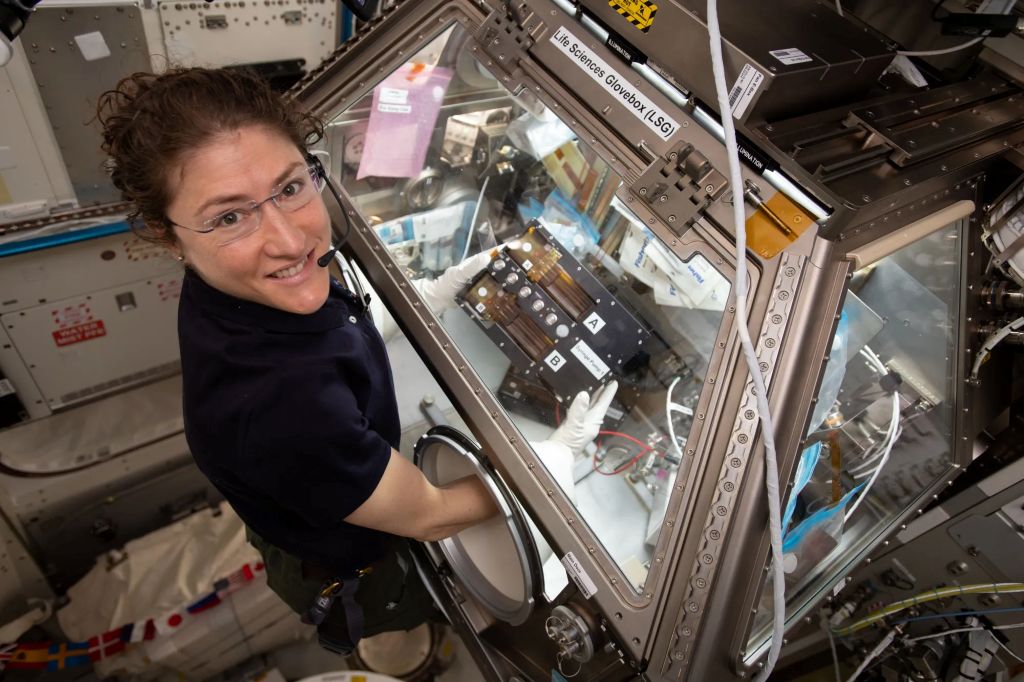
Station Science Top News: August 2, 2024
Analyses suggest that microgravity does not significantly alter fundamental biochemical pathways in kidney cells, including metabolism of vitamin D. This finding could help researchers develop strategies to protect crew health on future missions and improve treatment of kidney-related diseases on Earth. Kidney Cells examined the effects of microgravity and other factors of space travel on kidney health. Previous reports suggested that changes in…
Read More »