
Sky Watching
-
NASA
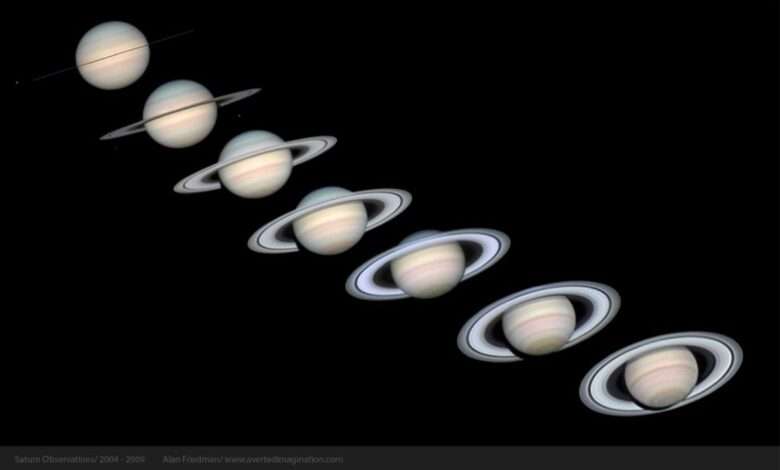
What’s Up: November 2025 Skywatching Tips from NASA
Mars and Mercury cozy up, the Leonids sparkle, and Saturn’s rings are…disappearing? Mars and Mercury get close for a conjunction, the Leonid meteor shower delights, and Saturn’s rings are…disappearing? Skywatching Highlights Nov. 12: A conjunction between Mars and Mercury Nov. 16-18: Leonid meteor shower peak viewing Nov. 23: Saturn’s rings disappear Transcript Mars and Mercury have a cozy conjunction, the…
Read More » -
NASA
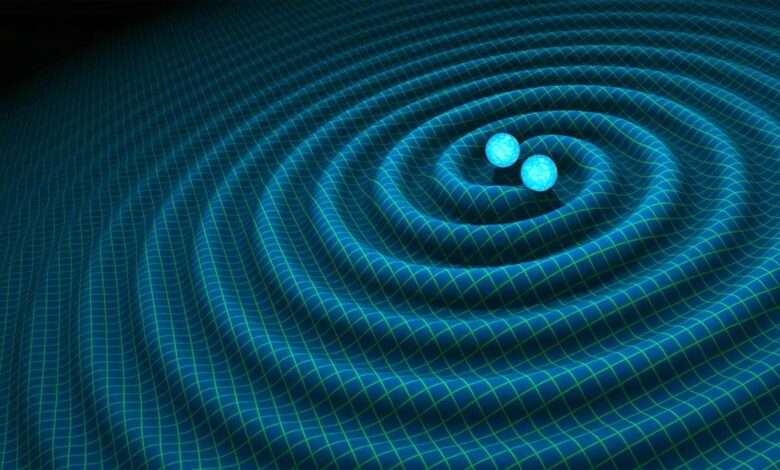
October’s Night Sky Notes: Let’s Go, LIGO!
by Kat Troche of the Astronomical Society of the Pacific September 2025 marks ten years since the first direct detection of gravitational waves as predicted by Albert Einstein’s 1916 theory of General Relativity. These invisible ripples in space were first directly detected by the Laser Interferometer Gravitational-Wave Observatory (LIGO). Traveling at the speed of light (~186,000 miles per second), these…
Read More » -
NASA
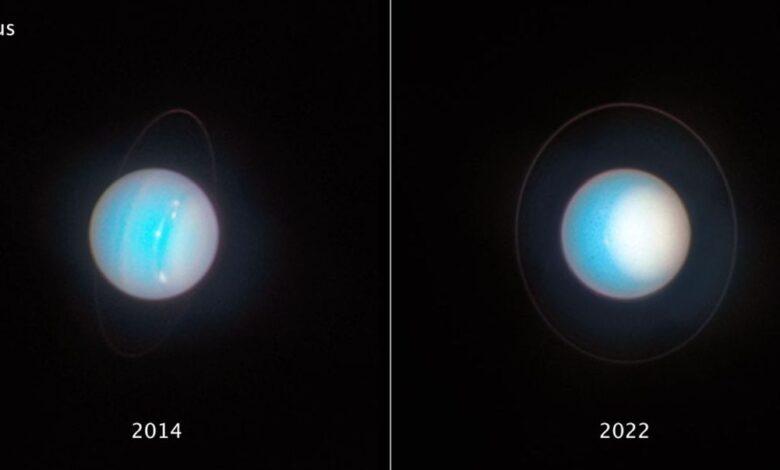
June’s Night Sky Notes: Seasons of the Solar System
by Kat Troche of the Astronomical Society of the Pacific Here on Earth, we undergo a changing of seasons every three months. But what about the rest of the Solar System? What does a sunny day on Mars look like? How long would a winter on Neptune be? Let’s take a tour of some other planets and ask ourselves what…
Read More » -
NASA

March’s Night Sky Notes: Messier Madness
What Are Messier Objects? During the 18th century, astronomer and comet hunter Charles Messier wanted to distinguish the ‘faint fuzzies’ he observed from any potential new comets. As a result, Messier cataloged 110 objects in the night sky, ranging from star clusters to galaxies to nebulae. These items are designated by the letter ‘M’ and a number. For example, the Orion Nebula is Messier 42 or M42,…
Read More » -
NASA

What’s Up: February 2025 Skywatching Tips from NASA
Download the Video A Month of Bright Planets Venus blazes at its brightest for the year after sunset, then Mars and Jupiter to rule the night amid the menagerie of bright winter stars. Skywatching Highlights All Month – Planet Visibility: Mercury: Pops up just above the horizon in late February, looking relatively bright as sunset fades Venus: Looking brilliant in the west…
Read More » -
NASA
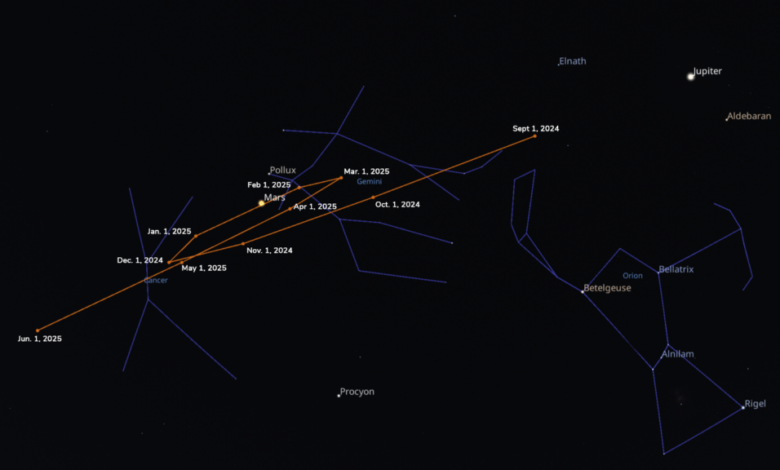
January’s Night Sky Notes: The Red Planet
by Kat Troche of the Astronomical Society of the Pacific Have you looked up at the night sky this season and noticed a bright object sporting a reddish hue to the left of Orion? This is none other than the planet Mars! January will be an excellent opportunity to spot this planet and some of its details with a medium-sized…
Read More » -
NASA
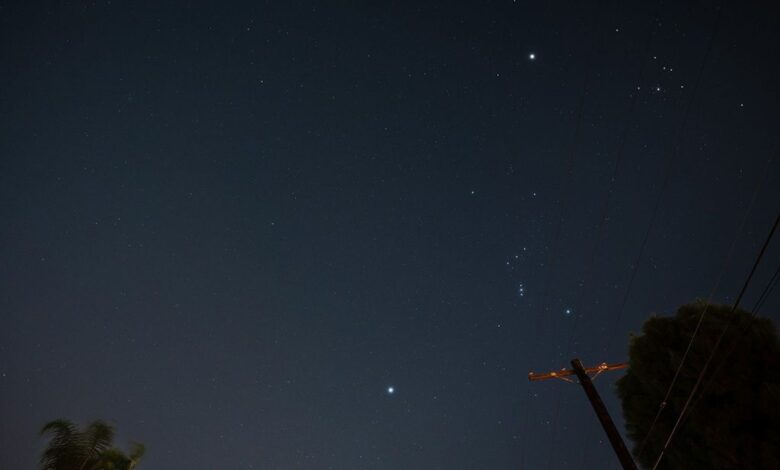
What’s Up: November 2024 Skywatching Tips from NASA
Download the video See the Moon Hide a Bright Star In the early morning hours of November 27, catch a rare lunar occultation of Spica visible from parts of the U.S. and Canada. Skywatching Highlights All month – Planet visibility report: Saturn shines in the south most of the night, Jupiter rises in the early evening alongside Taurus and Orion, while…
Read More » -
NASA
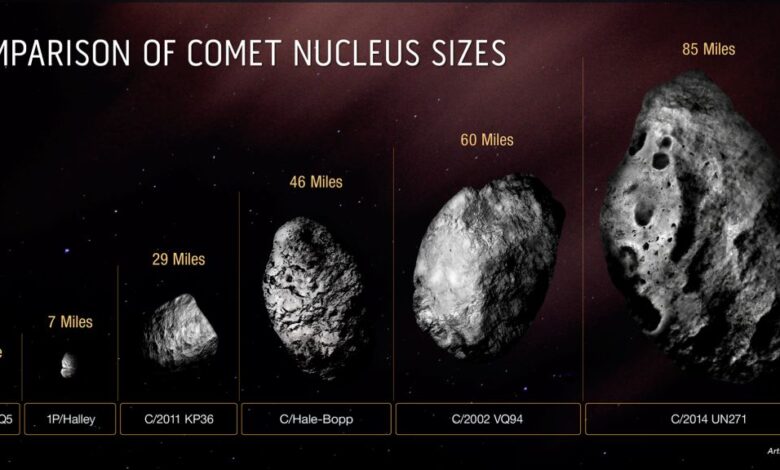
November’s Night Sky Notes: Snowballs from Space
by Kat Troche of the Astronomical Society of the Pacific If you spotted comet C/2023 A3 (Tsuchinshan-ATLAS) in person, or seen photos online this October, you might have been inspired to learn more about these visitors from the outer Solar System. Get ready for the next comet and find out how comets are connected to some of our favorite annual…
Read More » -
NASA
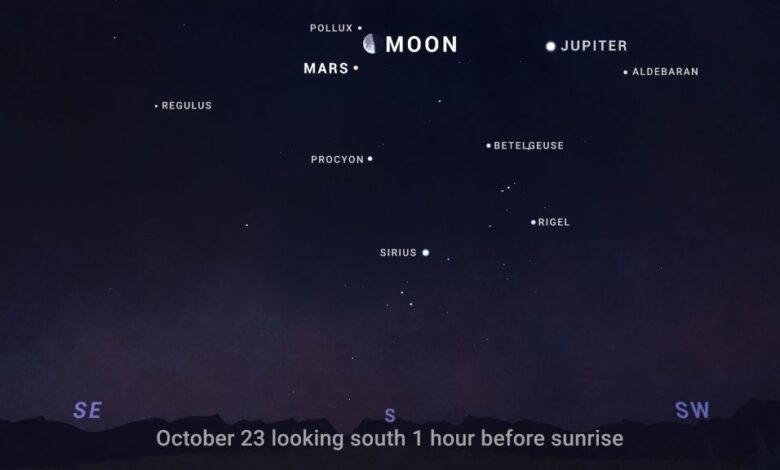
What’s Up: October 2024 Skywatching Tips from NASA
Comets: Unpredictable, But Irresistible A new comet is passing through the inner solar system! Time will tell if it’s the brightest of the year, once it appears in twilight after about October 14. Skywatching Highlights All month – Planet visibility report: Look for Venus low in the west just after sunset; Saturn can be seen toward the southeast as soon as…
Read More » -
NASA
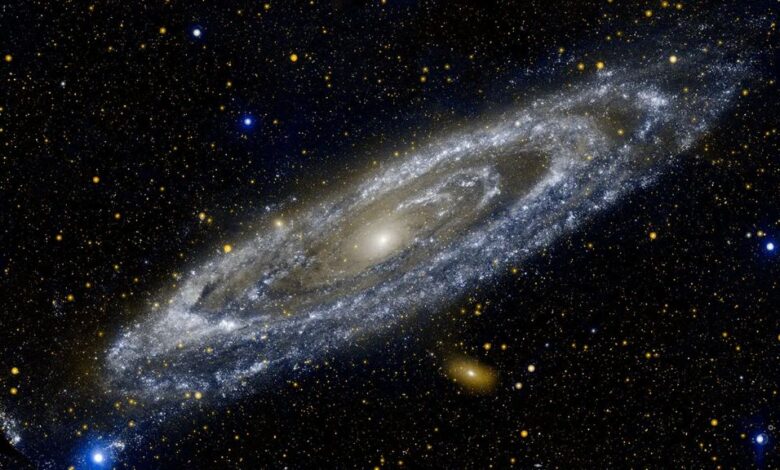
October’s Night Sky Notes: Catch Andromeda Rising!
If you’re thinking of a galaxy, the image in your head is probably the Andromeda Galaxy! Studies of this massive neighboring galaxy, also called M31, have played an incredibly important role in shaping modern astronomy. As a bonus for stargazers, the Andromeda Galaxy is also a beautiful sight. Spot the Andromeda Galaxy! M31’s more common name comes from its parent…
Read More »