
Skywatching Tips
-
NASA
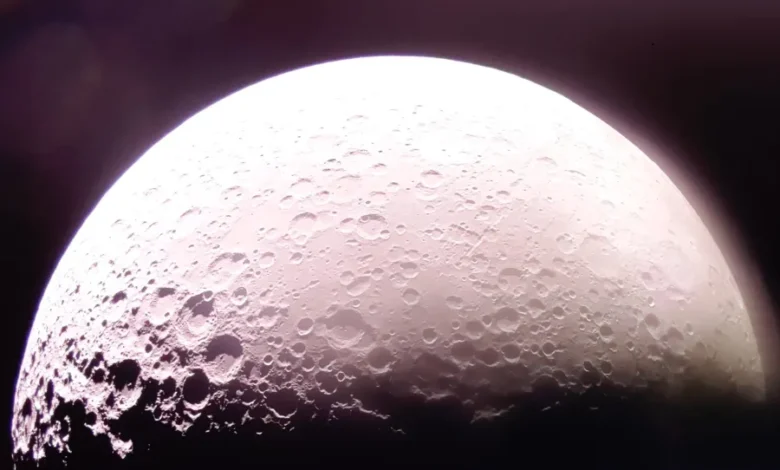
What’s Up: September 2026 Skywatching Tips from NASA
Brilliant Venus and a Harvest Moon Use the Moon to find Antares and the Teapot, spot brilliant Venus, welcome the equinox, and see the Harvest Moon near Saturn and Neptune. Skywatching Highlights Sept. 14-20: Use the Moon to find Antares and the Teapot; dark skies may reveal the Milky Way center Sept 18: Venus reaches peak brilliance for this evening appearance Sept.…
Read More » -
NASA
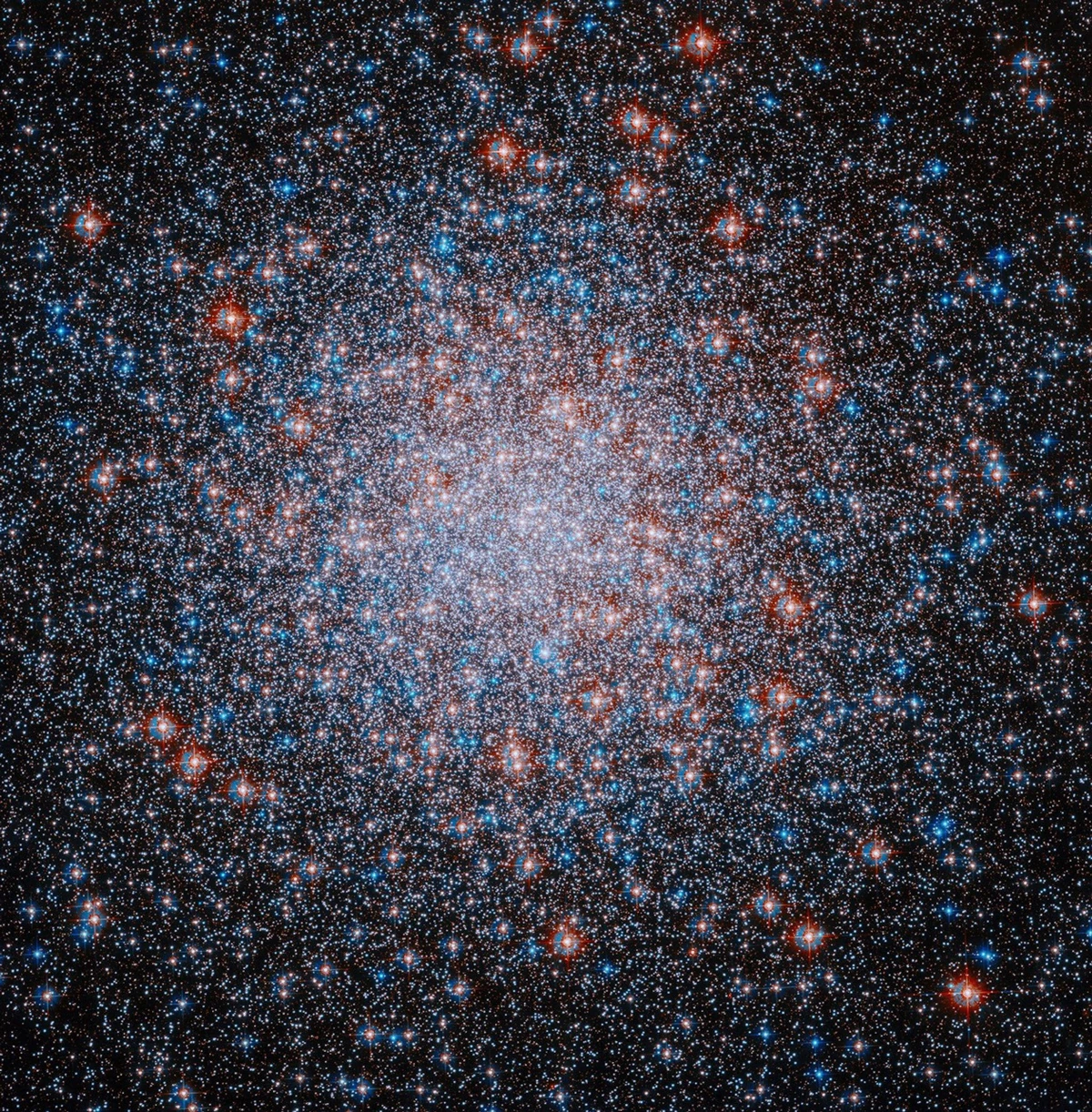
What’s Up: July 2026 Skywatching Tips from NASA
A predawn Moon-and-planets meetup, a returning comet, a great chance to see the Milky Way, and Saturn’s rings at a new angle. Skywatching Highlights July 7: Last Quarter Moon July 11 + 12: Dawn alignment of the Moon, Mars, Saturn, and Uranus July 14: New Moon; best dark-sky window for Comet 10P/Tempel 2 and the Milky Way Later in July: Saturn’s unusually thin rings…
Read More » -
NASA
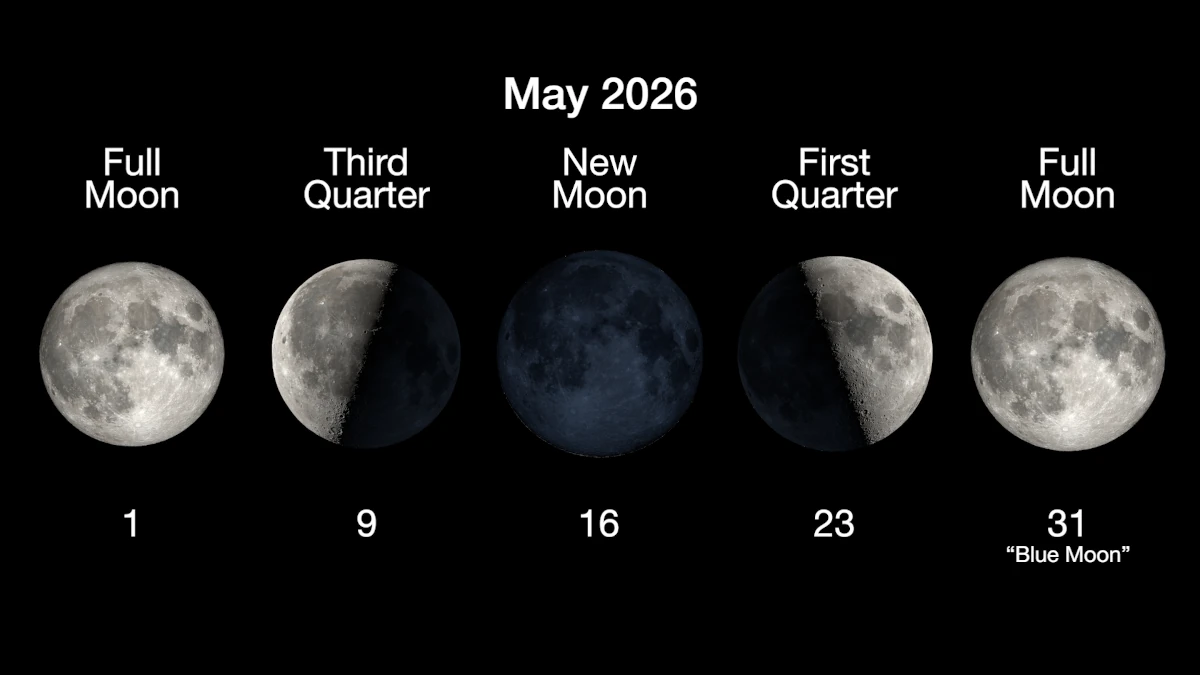
What’s Up: May 2026 Skywatching Tips from NASA
Shooting stars before dawn, a brilliant meetup between the Moon and Venus and a rare blue moon to end the month The Eta Aquarid meteor shower brings shooting stars before dawn, the Moon meets brilliant Venus after sunset, and May wraps up with a rare Blue Moon. Skywatching Highlights May 5 + 6 : Best time to see the Eta Aquarids May…
Read More » -
NASA
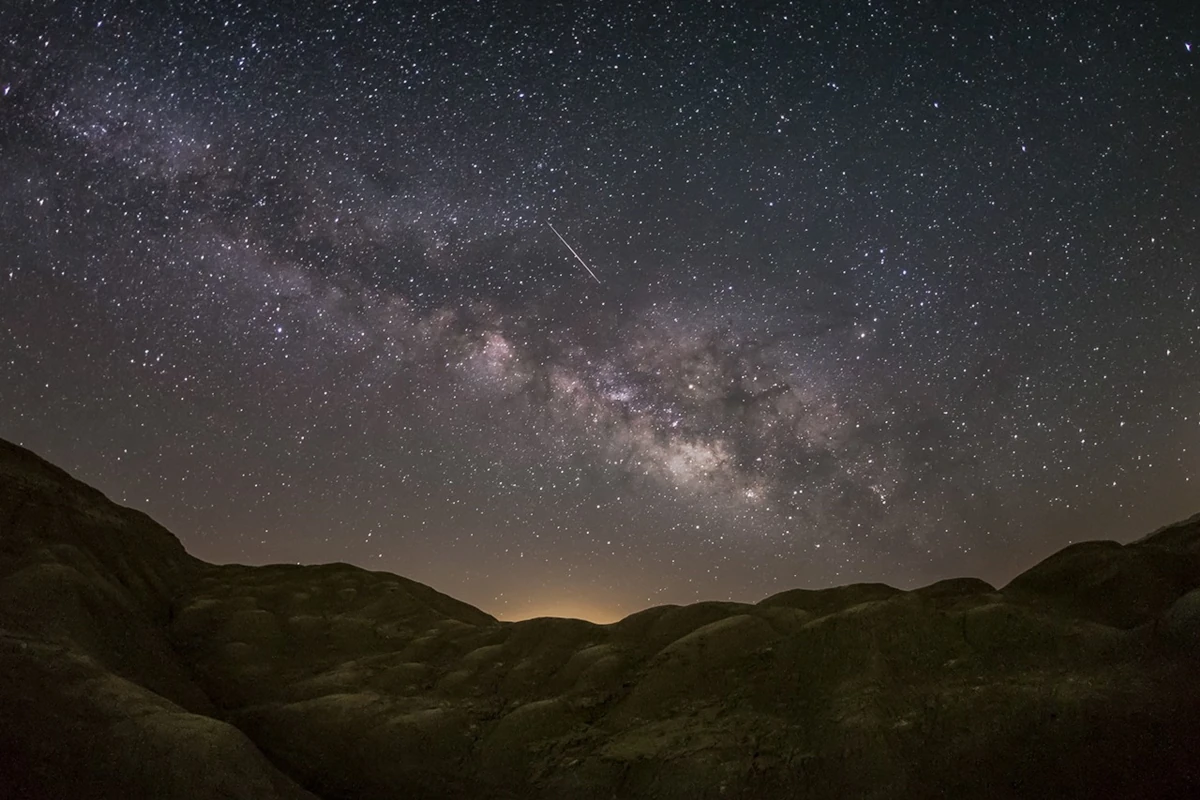
What’s Up: April 2026 Skywatching Tips from NASA
Mercury shines extra bright, the Lyrid meteor shower peaks, and a comet soars into view Mercury shines at its brightest for the year, the Lyrid meteor shower peaks, and a bright new comet makes an appearance in April’s night sky. Skywatching Highlights April 3: Mercury at greatest elongation April 17: Best chance to see Comet C/2025 R3 April 21 to 22: Lyrid meteor…
Read More » -
NASA

What’s Up: March 2026 Skywatching Tips from NASA
A total lunar eclipse glows red, Venus and Saturn get close, and we ring in the vernal equinox A total lunar eclipse blood moon takes centre stage, Venus and Saturn cozy up for a conjunction, and we celebrate the vernal equinox. Skywatching Highlights March 3: Total Lunar Eclipse (Blood Moon) March 8: Venus + Saturn Conjunction March 20: Vernal Equinox Transcript A total…
Read More » -
NASA
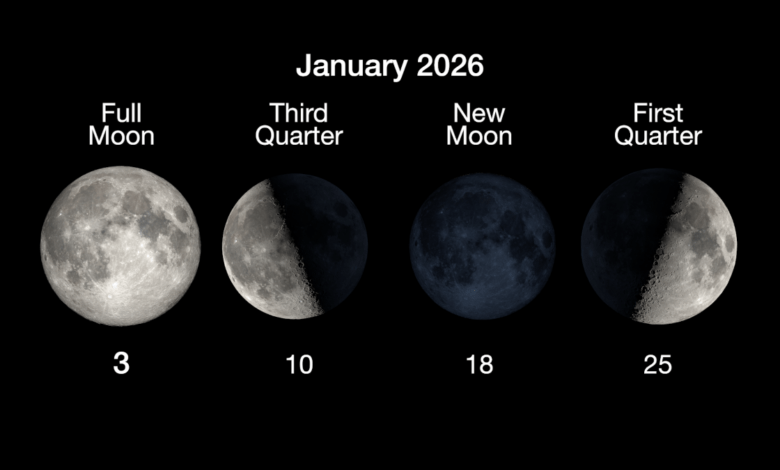
What’s Up: January 2026 Skywatching Tips from NASA
Jupiter beams bright, Saturn and the Moon cozy up, and the Beehive Cluster appears Jupiter is at its biggest and brightest all year, the Moon and Saturn pair up, and the Beehive Cluster buzzes into view. Skywatching Highlights Jan. 10: Jupiter at opposition Jan. 23: Saturn and Moon conjunction Jan. (throughout): Beehive Cluster Transcript Jupiter is at its biggest and brightest The Moon…
Read More » -
NASA
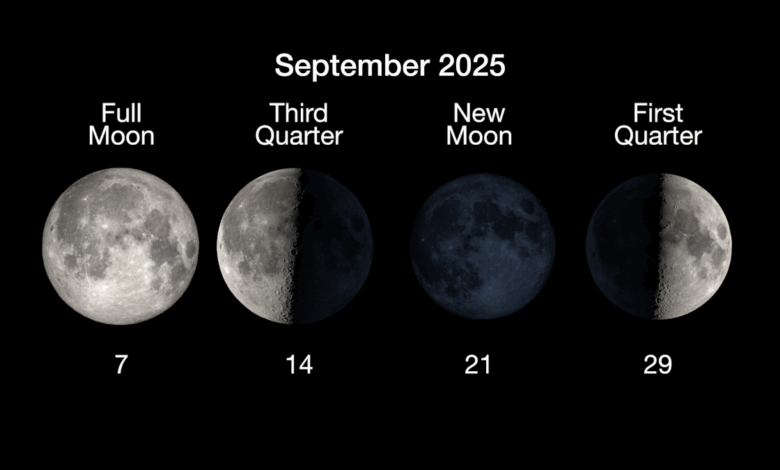
What’s Up: September 2025 Skywatching Tips from NASA
Saturn’s spectacle, a Conjunction, and the Autumnal Equinox Saturn shines throughout the month, a conjunction sparkles in the sky, and we welcome the autumnal equinox. Skywatching Highlights All of September: Saturn is visible Sept. 19: A conjunction between the Moon, Venus, and Regulus Sept. 21: Saturn is at opposition Sept. 22: The autumnal equinox Transcript What’s Up for September? Saturn…
Read More » -
NASA

What’s Up: July 2025 Skywatching Tips from NASA
A.M./P.M. Planet Watching, Plus the Eagle Constellation Mars shines in the evening, and is joined briefly by Mercury. Jupiter joins Venus as the month goes on. And all month, look for Aquila the eagle. Skywatching Highlights All Month – Planet Visibility: Venus: Shines brightly in the east each morning during the couple of hours before sunrise, with the Pleiades and bright…
Read More » -
NASA

What’s Up: April 2025 Skywatching Tips from NASA
April (Meteor) Showers and See a City of Stars! Enjoy observing planets in the morning and evening sky, look for Lyrid meteors, and hunt for the “faint fuzzy” wonder that is the distant and ancient city of stars known as globular cluster M3. Skywatching Highlights All Month – Planet Visibility: Mercury: Visible for a few days in the second half of…
Read More » -
NASA
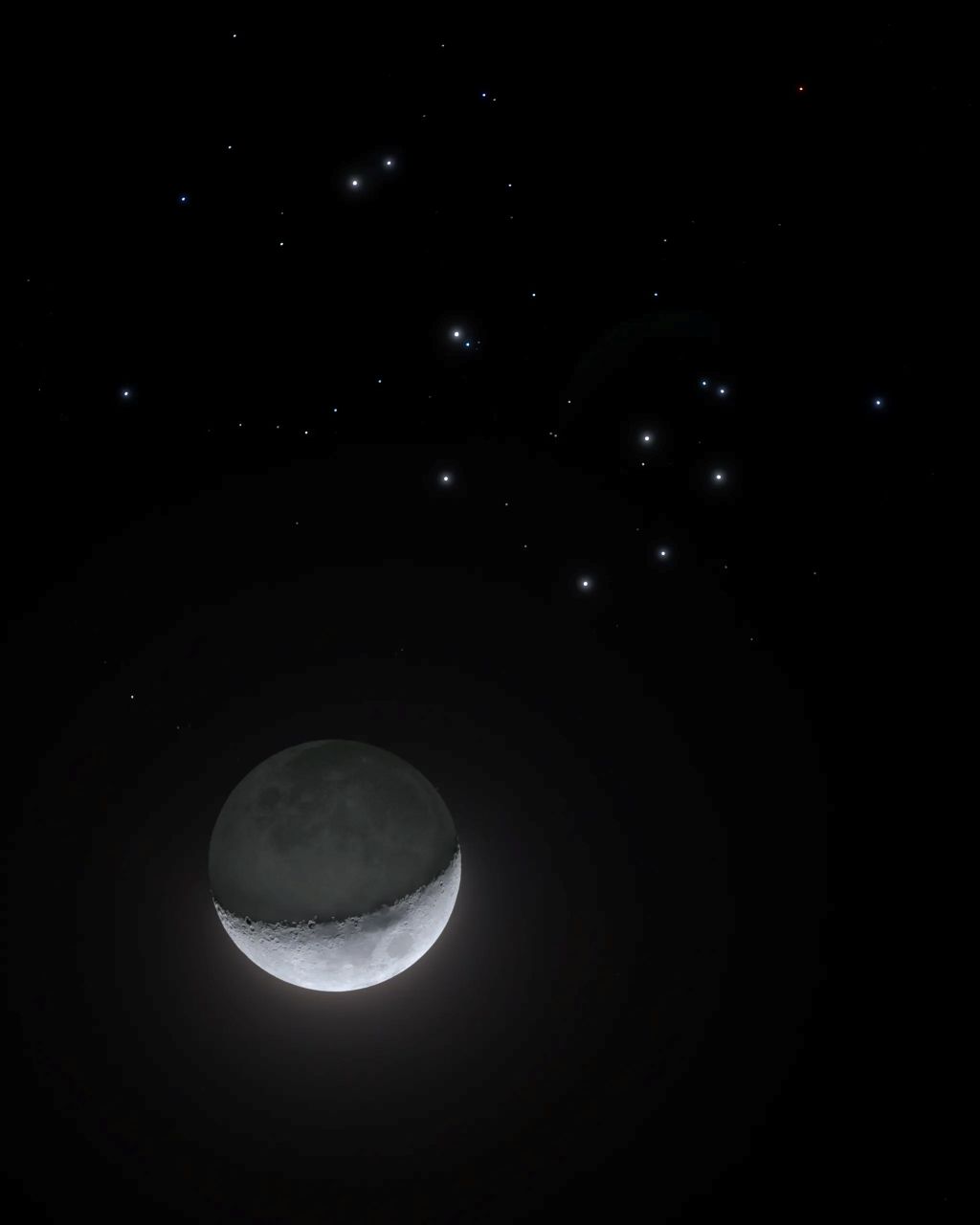
What’s Up: September 2024 Skywatching Tips from NASA
A Harvest supermoon eclipse A partial lunar eclipse makes the full supermoon on Sept. 17th extra super. Also, chances to observe five planets this month, and a global night for observing. Download the Episode Highlights All month – Venus sits low in the west following sunset. Saturn’s visible all night. Jupiter and Mars rise in the couple of hours after midnight…
Read More »