
Skywatching
-
NASA
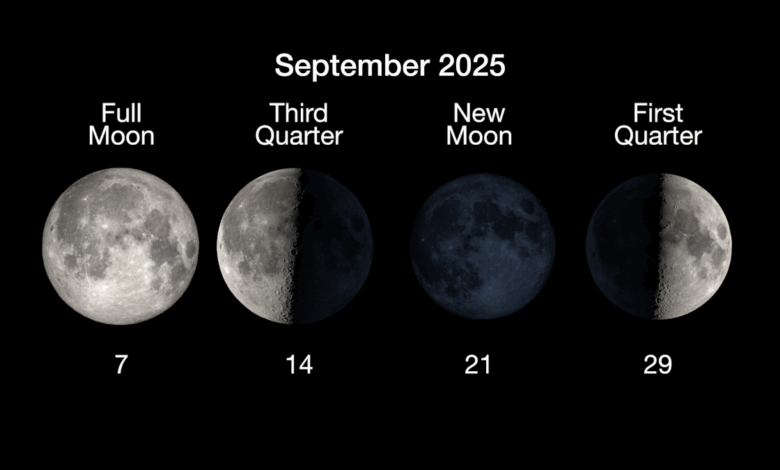
What’s Up: September 2025 Skywatching Tips from NASA
Saturn’s spectacle, a Conjunction, and the Autumnal Equinox Saturn shines throughout the month, a conjunction sparkles in the sky, and we welcome the autumnal equinox. Skywatching Highlights All of September: Saturn is visible Sept. 19: A conjunction between the Moon, Venus, and Regulus Sept. 21: Saturn is at opposition Sept. 22: The autumnal equinox Transcript What’s Up for September? Saturn…
Read More » -
NASA
What’s Up: August 2025 Skywatching Tips from NASA
Venus-Jupiter Conjunction and Meteor Mojo Jupiter and Venus shine brightly in the mornings as they appear to graze each other in the sky on the 11th and 12th. The Perseids are washed out by the Moon. Skywatching Highlights All Month – Planet Visibility: Mercury: Pops up above the horizon during the second half of August. Appears very low, below 10 degrees…
Read More » -
NASA

What’s Up: July 2025 Skywatching Tips from NASA
A.M./P.M. Planet Watching, Plus the Eagle Constellation Mars shines in the evening, and is joined briefly by Mercury. Jupiter joins Venus as the month goes on. And all month, look for Aquila the eagle. Skywatching Highlights All Month – Planet Visibility: Venus: Shines brightly in the east each morning during the couple of hours before sunrise, with the Pleiades and bright…
Read More » -
NASA
What’s Up: June 2025 Skywatching Tips from NASA
Planets, Solstice, and the Galaxy Venus and Saturn separate, while Mars hangs out in the evening. Plus the June solstice, and dark skies reveal our home galaxy in all of its glory. Skywatching Highlights All Month – Planet Visibility: Venus: Rises about 2 hours before the Sun in June, and shines very brightly, low in the eastern sky, in the morning…
Read More » -
NASA
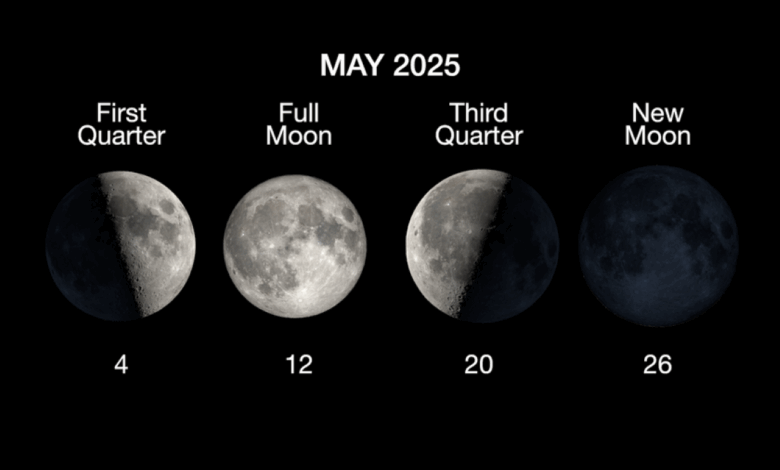
What’s Up: May 2025 Skywatching Tips from NASA
Eta Aquarids & Waiting for a Nova! The first week of May brings the annual Eta Aquarid meteors, peaking on the 6th. And sometime in the next few months, astronomers predict a “new star” or nova explosion will become visible to the unaided eye. Skywatching Highlights All Month – Planet Visibility: Venus: Appears very bright and low in the east in…
Read More » -
NASA

What’s Up: April 2025 Skywatching Tips from NASA
April (Meteor) Showers and See a City of Stars! Enjoy observing planets in the morning and evening sky, look for Lyrid meteors, and hunt for the “faint fuzzy” wonder that is the distant and ancient city of stars known as globular cluster M3. Skywatching Highlights All Month – Planet Visibility: Mercury: Visible for a few days in the second half of…
Read More » -
NASA

March’s Night Sky Notes: Messier Madness
What Are Messier Objects? During the 18th century, astronomer and comet hunter Charles Messier wanted to distinguish the ‘faint fuzzies’ he observed from any potential new comets. As a result, Messier cataloged 110 objects in the night sky, ranging from star clusters to galaxies to nebulae. These items are designated by the letter ‘M’ and a number. For example, the Orion Nebula is Messier 42 or M42,…
Read More » -
NASA

What’s Up: March 2025 Skywatching Tips from NASA
A Fast-Moving Planet and a Crimson Moon! Catch Mercury if you can, then stay up late for a total lunar eclipse, and learn the truth about the dark side of the Moon. Skywatching Highlights All Month – Planets Visibility: Mercury: Speedy Mercury is visible beneath Venus for the first week and a half of March, for about 30 minutes each evening,…
Read More » -
NASA

What’s Up: February 2025 Skywatching Tips from NASA
Download the Video A Month of Bright Planets Venus blazes at its brightest for the year after sunset, then Mars and Jupiter to rule the night amid the menagerie of bright winter stars. Skywatching Highlights All Month – Planet Visibility: Mercury: Pops up just above the horizon in late February, looking relatively bright as sunset fades Venus: Looking brilliant in the west…
Read More » -
NASA

What’s Up: January 2025 Skywatching Tips from NASA
Download the Video Four Planets in One View! Each evening this month, enjoy a sweeping view of four bright planets at once. Also look for a close approach of Venus and Saturn, Mars occulted by the Moon, and meteors! Skywatching Highlights January 3 – Quadrantid meteor shower peaks: This is a moderate shower, usually delivering 20 to 30 meteors per hour…
Read More »