SharkNinja® Expands Its Outdoor Portfolio and Celebrates the World of Woodfire with the New Ninja Woodfire™ Outdoor Oven

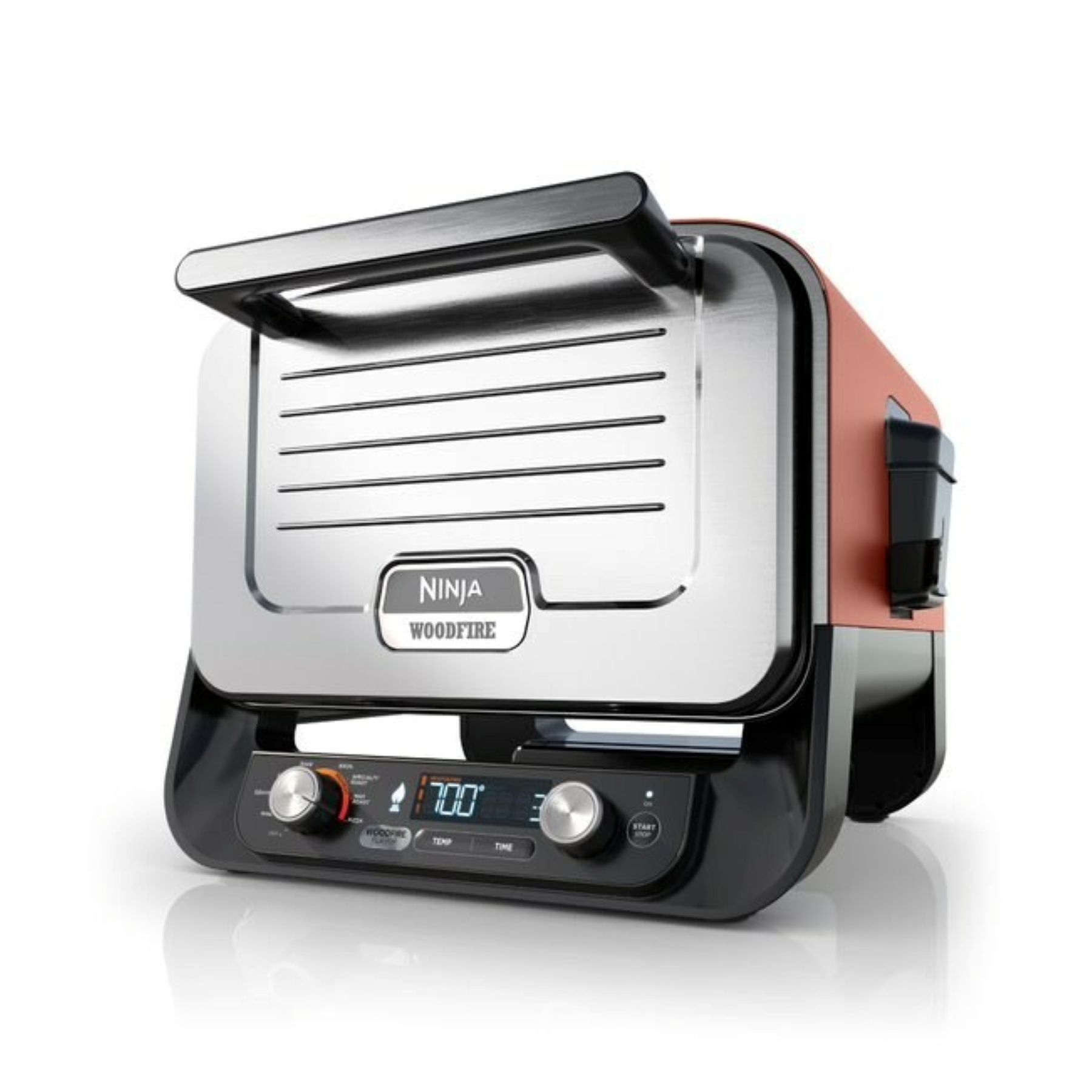
SharkNinja, a global product design and technology company, today announced Ninja, the #1 brand in small kitchen appliances in the US1, is helping consumers experience a world of flavors right from their backyards this summer with its new Ninja Woodfire™ Outdoor Oven, aiming to provide a world-class cooking experience all in one place, all in one oven, all outdoors.
With 33% of Americans cooking outdoors more often2 due to shifting dining habits over the past few years, we believe consumer needs have evolved beyond specialized smokers, grills and pizza ovens. Debuting in 2022 with the launch of the Ninja Woodfire™ Outdoor Grill, America’s #1 portable grill3, Ninja’s Woodfire family has introduced America to a new name in outdoor cooking. The latest innovation in the brand’s outdoor portfolio, the Ninja Woodfire™ Outdoor Oven, is packed with high heat, versatility and, most importantly, enables mouth-watering tastes and textures, helping consumers discover new ways of cooking.
“After years of extensive consumer research, we uncovered the need for outdoor appliances that could provide versatility, worry-free BBQ smoking and traditional smokey flavors without the flame or guesswork in the outdoor space,” said Neil Shah, Chief Commercial Officer at SharkNinja. “Our Ninja Woodfire family gives consumers the ability to achieve the quintessential woodfire flavor they crave conveniently and with ease. Now, with the Ninja Woodfire™ Outdoor Oven, consumers can not only grill and smoke, but take their culinary experiences to new heights that go beyond what they could achieve with a traditional indoor oven.”
Welcome to the World of Woodfire
To help consumers discover a world of flavors and provide cooking inspiration, Ninja is introducing its Chef Squad, an all-star lineup of global chefs including Kristen Kish, The Grill Dads and Yumna Jawad, who will curate worldly dishes that represent their heritage or a cuisine close to their hearts. With the help of the Ninja Woodfire™ Outdoor Oven, the Ninja Chef Squad will guide the creation of delicious global flavors that will transport consumers around the world every time they cook these one-of-a-kind recipes.
Experience a World of Flavors with the Ninja Woodfire™ Outdoor Oven
With its 8-in-1 functionality and wide range of temps from 105-700°F, the Ninja Woodfire™ Outdoor Oven unlocks artisan pizza making, high-heat roasting, and low-and-slow BBQ smoking, all in one. Consumers can experience easy 3-minute no-turn Neapolitan pizzas with brick-oven inspired charring, blistering, and sizzling or enjoy tender smoked BBQ classics. Built for year-round outdoor cooking and storage, the Ninja Woodfire™ Outdoor Oven uses electric heat to add Ninja Woodfire™ flavors into dishes. The Ninja Woodfire™ Outdoor Oven creates a new outdoor cooking and entertaining experience and allows home chefs to cook the foods they have always wanted.
The Ninja Woodfire™ Outdoor Oven is now available for pre-order for $399.99 on NinjaKitchen.com. It will soon be available for purchase at major retailers, including Amazon, Target and Walmart.
1The NPD Group/Retail Tracking Service, based on brand-level dollar sales, 52 weeks view for January 5, 2020-January 2, 2021; January 3, 2021-January 1, 2022. Categories covered under claim: kitchen appliances category group.
2According to a recent poll of “Barbecue Lifestyle, Usage & Attitude,” by the Hearth, Patio & Barbecue Association.
3Source: Circana / Retail Tracking Service, U.S. dollar sales, October 2022 – March 2023 (Portable Grills)
About Ninja
SharkNinja is a global product design and technology company that creates 5-star rated lifestyle solutions through innovative products for consumers around the world. SharkNinja has built two billion-dollar brands, Shark® and Ninja®, each of which has a proven track record of establishing leadership positions by disrupting numerous small household appliance product categories including Cleaning, Cooking, Food Preparation, Home Environment and Beauty. Products are sold at key retailers, online and offline, and through distributors around the world. Ninja® and Shark® are registered trademarks of SharkNinja Operating LLC. SharkNinja is a subsidiary of JS Global Lifestyle Company Limited (Hong Kong: 1691) a leader in small household appliance innovation.
About JS Global
JS Global Lifestyle Company Limited (Hong Kong: 1691) is a world leading producer of small household appliances. As of Dec 31st, 2020, JS Global ranked number 3 among the small household appliance focused companies. It primarily operates three major brands: Shark, Ninja and Joyoung. The Company’s success is centered around its deep understanding of consumer needs, and is built on its strong product innovation and design capability powered by a global research and development platform, marketing strengths driving high brand engagement, and an omni-channel distribution coverage with high penetration.