
Space Missions
-
NASA
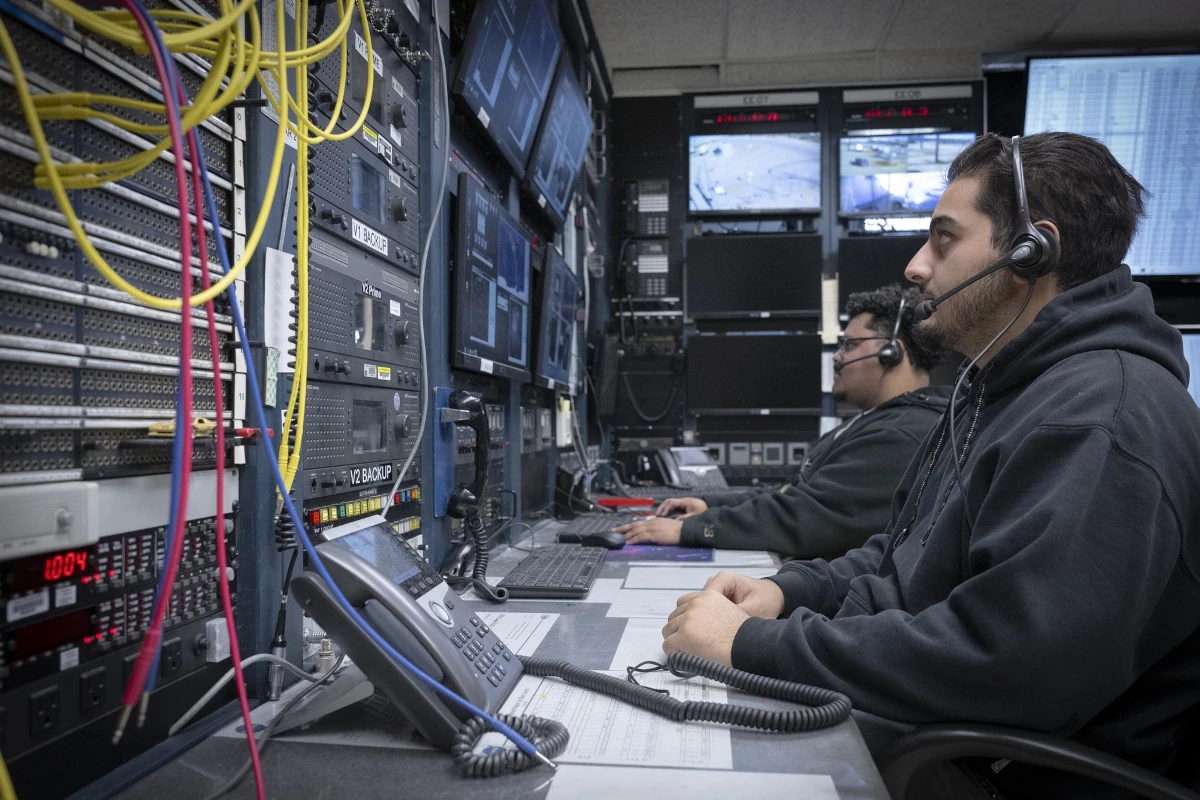
NASA’s Dryden Aeronautical Test Range Supports Flight, Space Missions
NASA advances aeronautics and space technologies through experimental aircraft and flight research at the agency’s Armstrong Flight Research Center in Edwards, California. Behind those efforts is the Dryden Aeronautical Test Range (DATR), which provides the communications, tracking, and data services that enable safe and effective missions. For most NASA Armstrong research flights, the DATR supplies communications, radar, and telemetry. The range’s video…
Read More » -
NASA
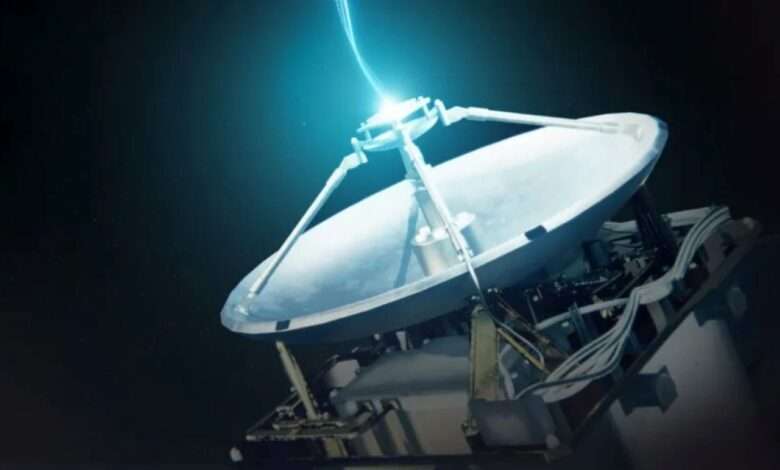
NASA’s Wideband Technology Demo Proves Space Missions are Free to Roam
Just like your cellphone stays connected by roaming between networks, NASA’s Polylingual Experimental Terminal, or PExT, technology demonstration is proving space missions can do the same by switching seamlessly between government and commercial communications networks. NASA missions rely on critical data to navigate, monitor spacecraft health, and transmit scientific information back to Earth, and this game-changing technology could provide multiple benefits…
Read More » -
NASA
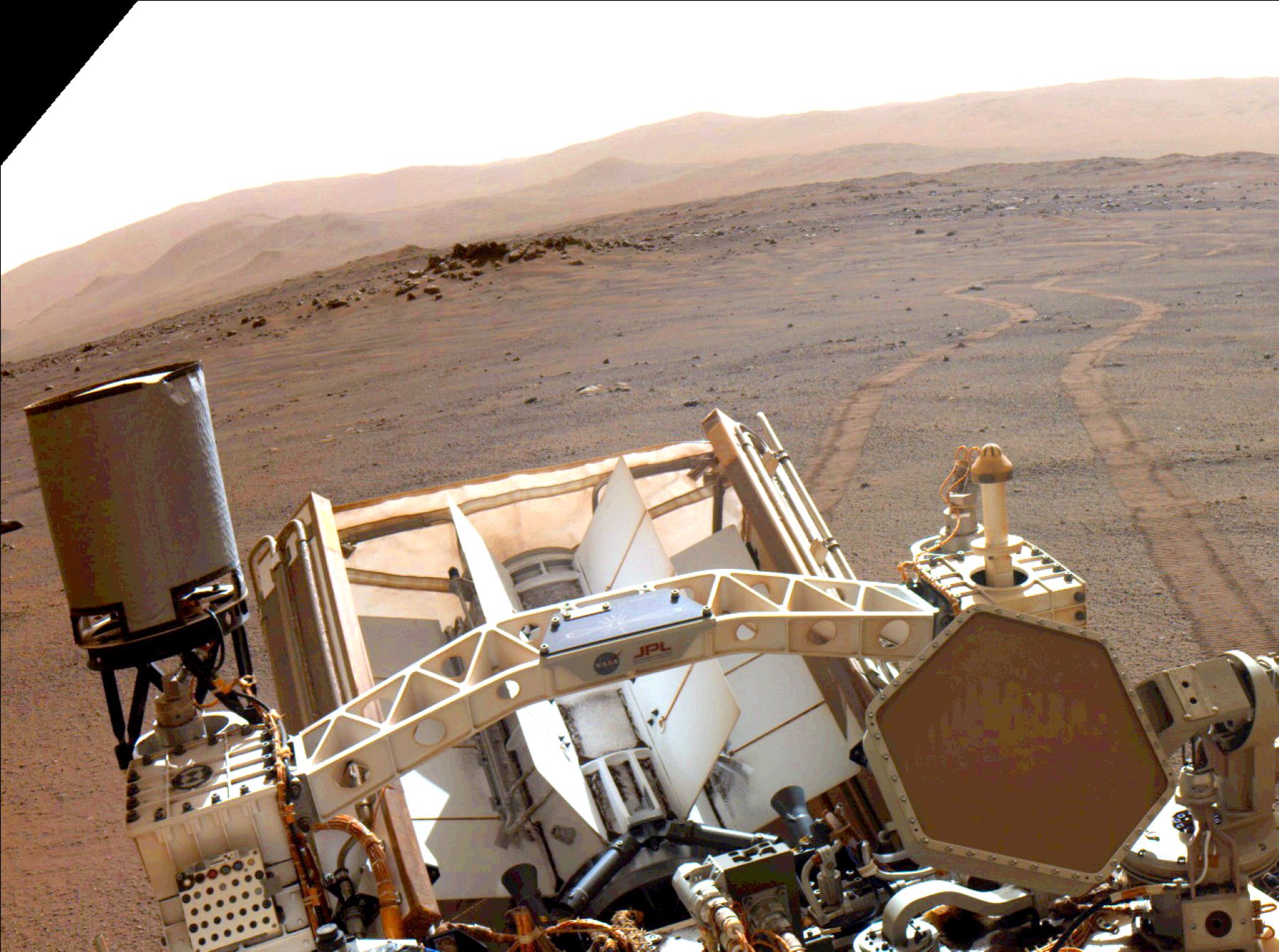
NASA One Step Closer to Fueling Space Missions with Plutonium-238
The recent shipment of heat source plutonium-238 from the U.S. Department of Energy’s (DOE’s) Oak Ridge National Laboratory to its Los Alamos National Laboratory is a critical step toward fueling planned NASA missions with radioisotope power systems. This shipment of 0.5 kilograms (a little over 1 pound) of new heat source plutonium oxide is the largest since the domestic restart of…
Read More » -
NASA
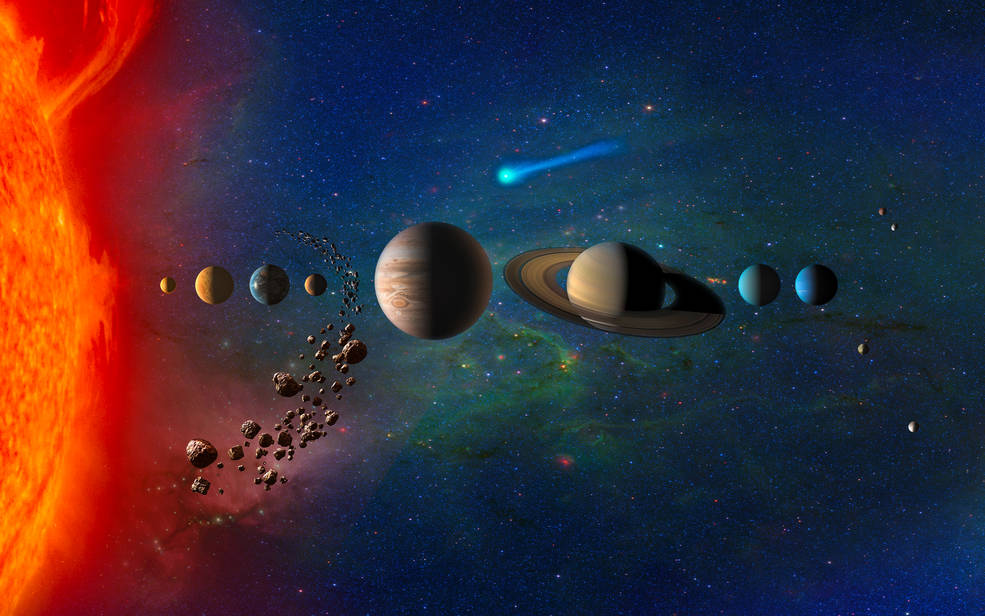
NASA Selects Four Possible Missions to Study the Secrets of the Solar System
NASA has selected four Discovery Program investigations to develop concept studies for new missions. Although they’re not official missions yet and some ultimately may not be chosen to move forward, the selections focus on compelling targets and science that are not covered by NASA’s active missions or recent selections. Final selections will be made next year. NASA’s Discovery Program invites scientists…
Read More »