
Spitzer Space Telescope
-
NASA
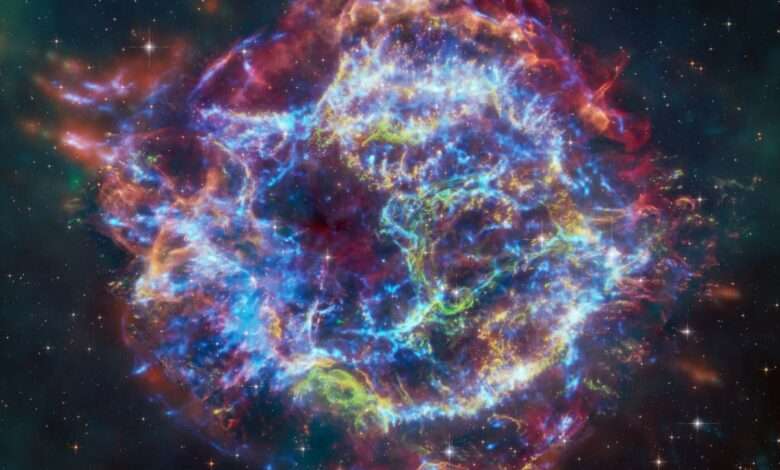
XRISM Finds Chlorine, Potassium in Cas A
The Cassiopeia A supernova remnant glows in X-ray, visible, and infrared light in this Jan. 8, 2024, image that combines data from NASA’s Chandra X-ray Observatory and Hubble, Webb, and Spitzer space telescopes. A study by the XRISM (X-ray Imaging and Spectroscopy Mission) spacecraft has made the first-ever X-ray detections of chlorine and potassium from the wreckage; a paper about…
Read More » -
NASA
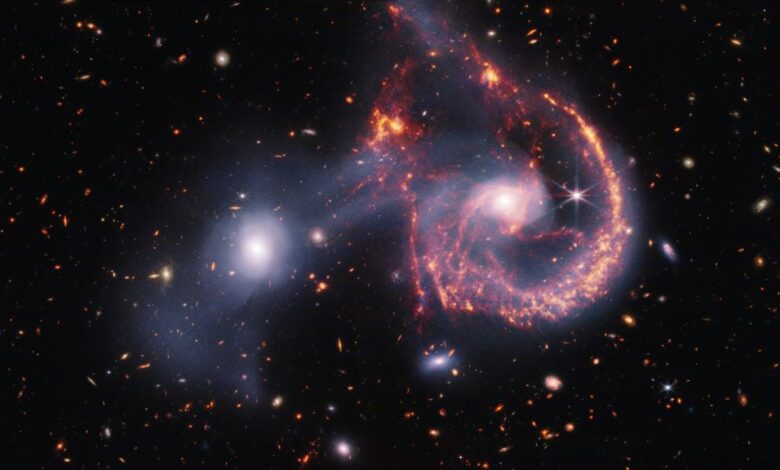
NASA’s Webb Provides Another Look Into Galactic Collisions
Smile for the camera! An interaction between an elliptical galaxy and a spiral galaxy, collectively known as Arp 107, seems to have given the spiral a happier outlook thanks to the two bright “eyes” and the wide semicircular “smile.” The region has been observed before in infrared by NASA’s Spitzer Space Telescope in 2005, however NASA’s James Webb Space Telescope displays it…
Read More » -
NASA
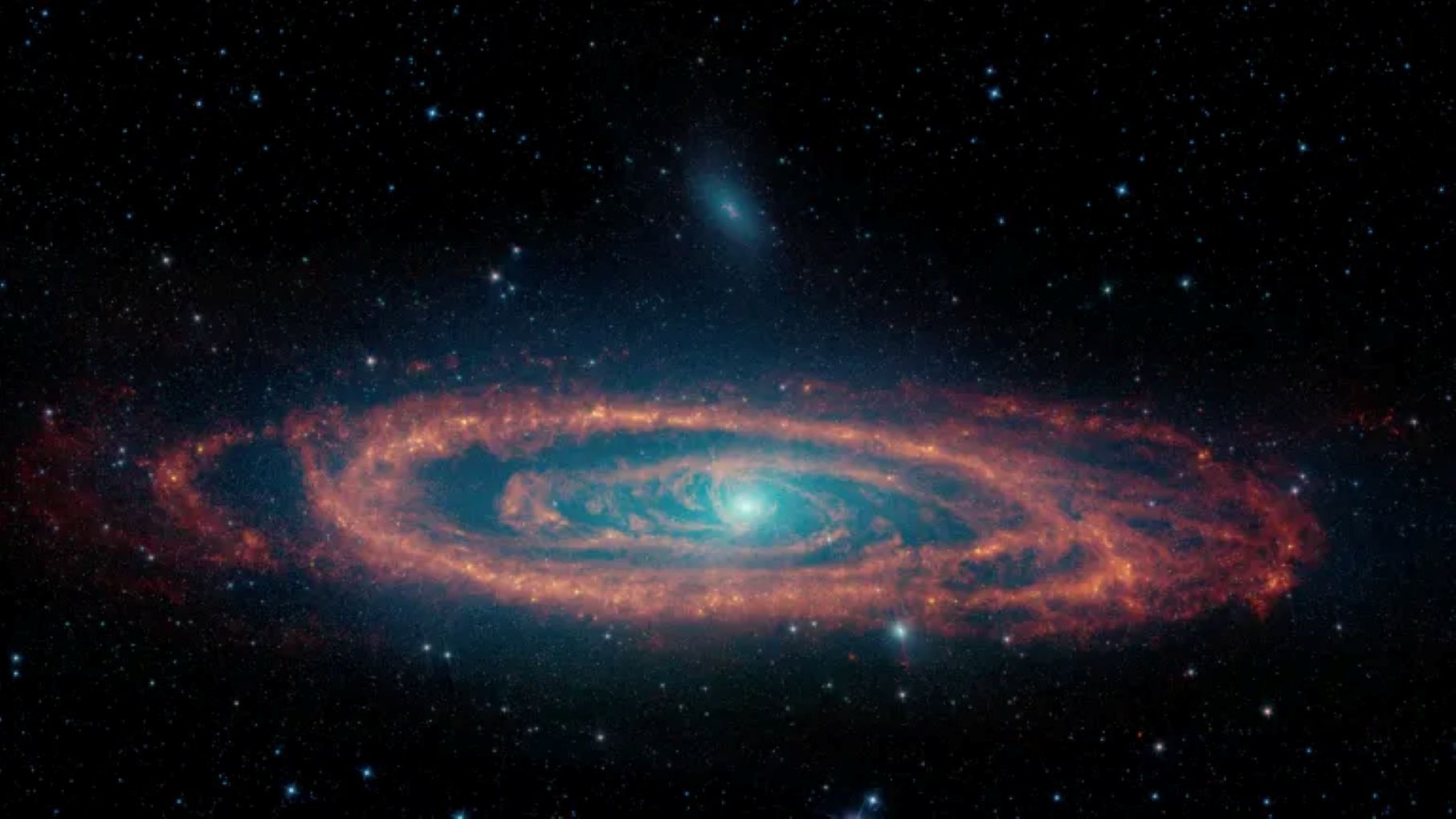
Spitzer Space Telescope Captures Galactic Snack
This image, released on May 9, 2024, from NASA’s retired Spitzer Space Telescope shows streams of dust flowing toward the supermassive black hole at the heart of the Andromeda Galaxy. These dust streams can help explain how black holes billions of times the mass of our Sun can satiate their big appetites but remain “quiet” eaters. Read on to learn how data from Spitzer…
Read More » -
NASA
NASA Images Help Explain Eating Habits of Massive Black Hole
Data from NASA’s retired Spitzer Space Telescope has given scientists new insights into why some supermassive black holes shine differently than others. In images from NASA’s retired Spitzer Space Telescope, streams of dust thousands of light-years long flow toward the supermassive black hole at the heart of the Andromeda galaxy. It turns out these streams can help explain how black holes billions of…
Read More » -
NASA
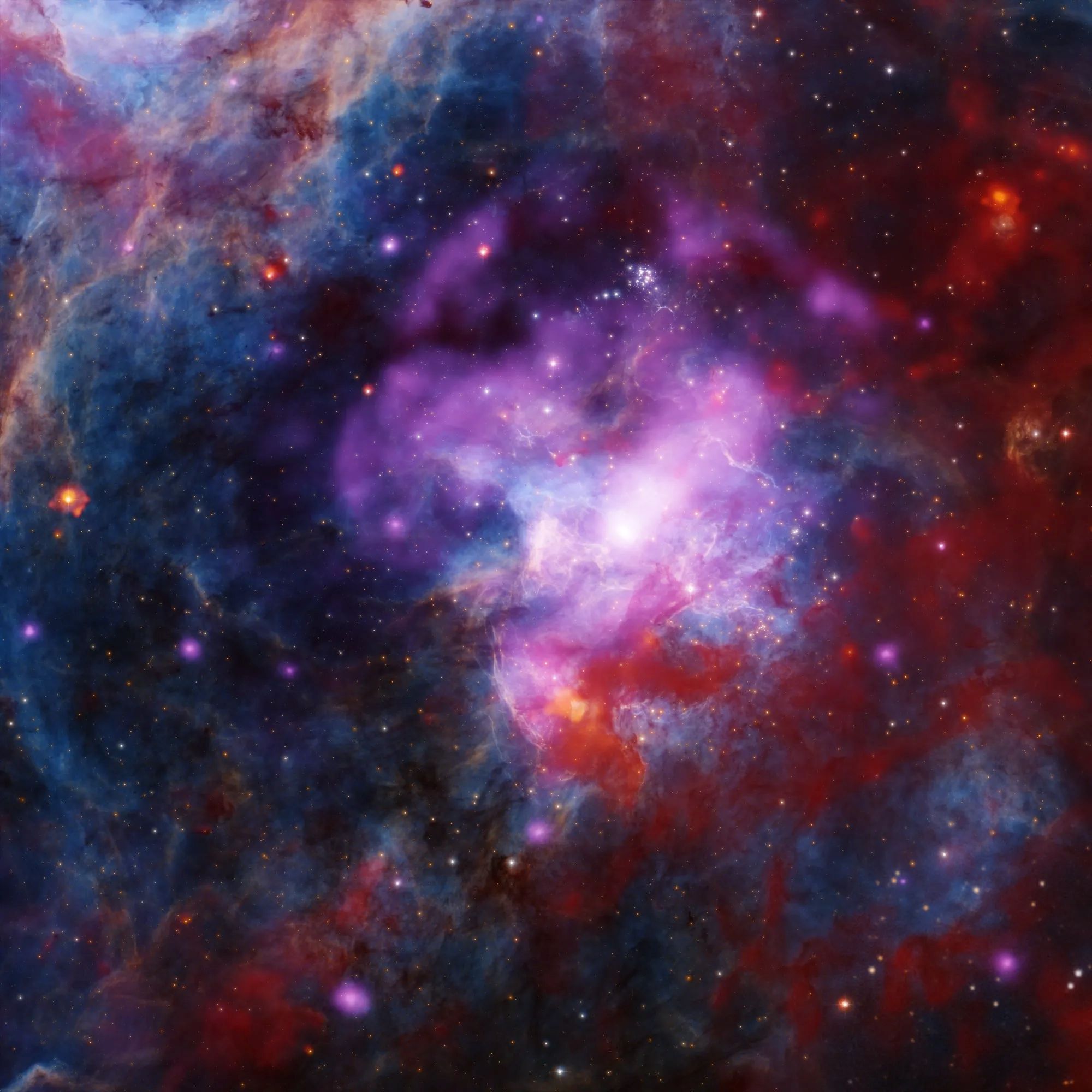
NASA Telescopes Start the Year With a Double Bang
A colorful, festive image shows different types of light containing the remains of not one, but at least two, exploded stars. This supernova remnant is known as 30 Doradus B (30 Dor B for short) and is part of a larger region of space where stars have been continuously forming for the past 8 to 10 million years. It is…
Read More » -
Press Releases
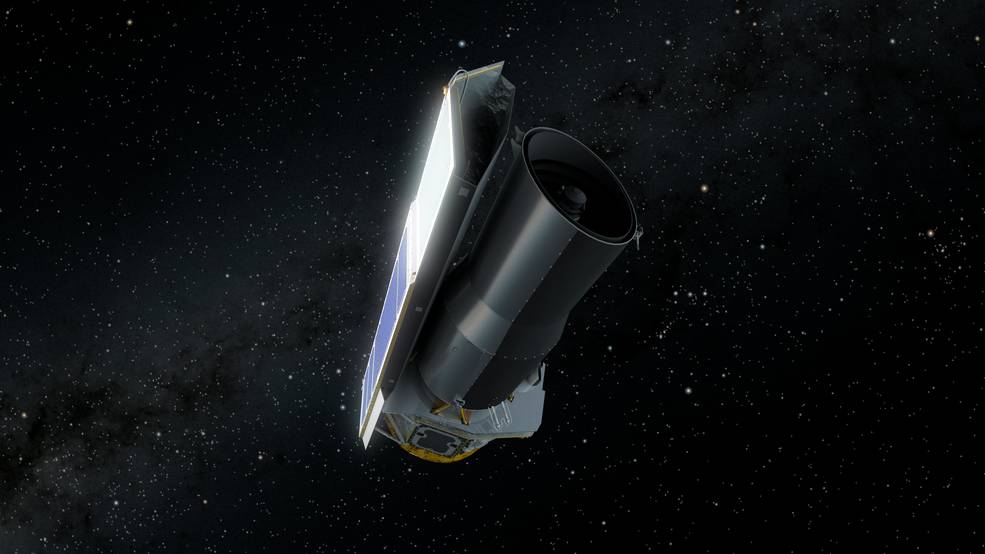
NASA’s Spitzer Space Telescope Ends Mission of Astronomical Discovery
After more than 16 years studying the universe in infrared light, revealing new wonders in our solar system, our galaxy, and beyond, NASA’s Spitzer Space Telescope’s mission has come to an end. Mission engineers confirmed at 2:30 p.m. PST (5:30 p.m. EST) Thursday the spacecraft was placed in safe mode, ceasing all science operations. After the decommissioning was confirmed, Spitzer Project Manager…
Read More »