
Star
-
Press Releases
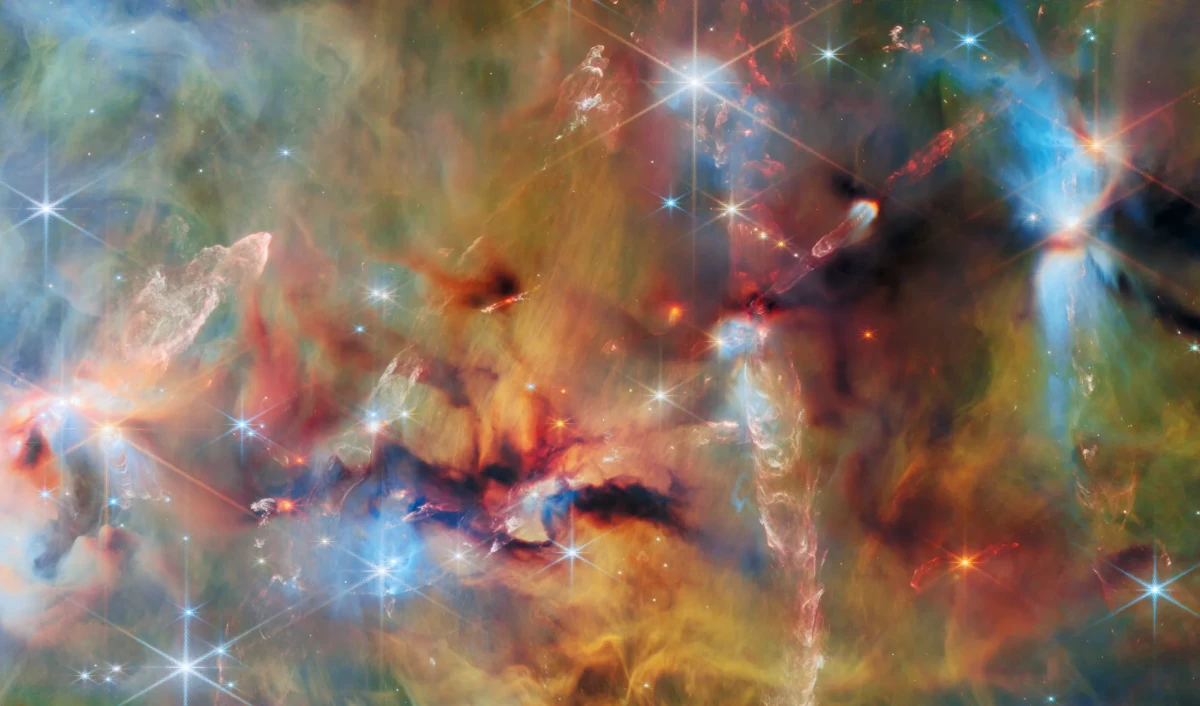
Stages of Star Formation
This image, captured by NASA’s James Webb Space Telescope and released on June 5, 2026, shows just a small portion of one of the Orion Molecular Clouds, a long and massive filament of cold gas and dust beyond the Orion Nebula. Every stage of star formation — from the youngest stellar embryos to protoplanetary discs to newly-minted pre-main sequence stars…
Read More » -
NASA
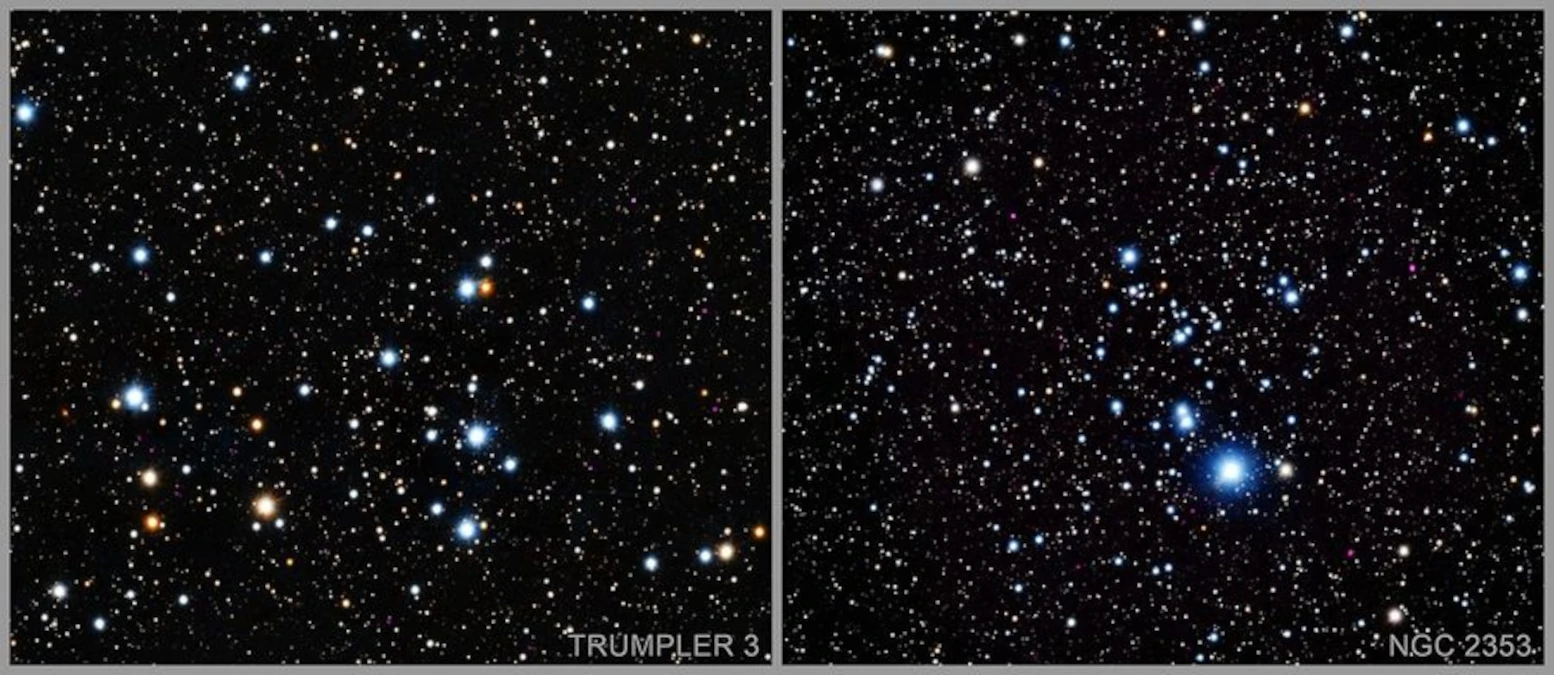
NASA Finds Young Stars Dim in X-rays Surprisingly Quickly
Scientists have found that young stellar cousins of our Sun are calming down and dimming more quickly in their X-ray output than previously thought, according to a new study using NASA’s Chandra X-ray Observatory. A paper describing the results published Monday in The Astrophysical Journal. Unlike in the new movie “Project Hail Mary,” this quieting of young stars is a benefit for…
Read More » -
NASA

NASA’s Hubble Uncovers Rare White Dwarf Merger Remnant
An international team of astronomers has discovered a cosmic rarity: an ultra-massive white dwarf star resulting from a white dwarf merging with another star, rather than through the evolution of a single star. This discovery, made by NASA’s Hubble Space Telescope’s sensitive ultraviolet observations, suggests these rare white dwarfs may be more common than previously suspected. “It’s a discovery that underlines…
Read More » -
NASA
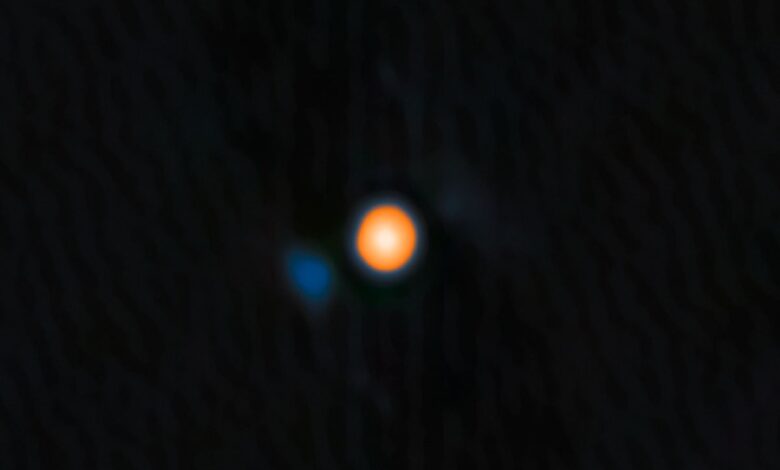
NASA Scientist Finds Predicted Companion Star to Betelgeuse
A century-old hypothesis that Betelgeuse, the 10th brightest star in our night sky, is orbited by a very close companion star was proved true by a team of astrophysicists led by a scientist at NASA’s Ames Research Center in California’s Silicon Valley. The research published in The Astrophysical Journal Letters in the paper “Probable Direct Imaging Discovery of the Stellar…
Read More » -
NASA

Summer Triangle Corner: Vega
If you live in the Northern Hemisphere and look up during July evenings, you’ll see the brilliant star Vega shining overhead. Did you know that Vega is one of the most studied stars in our skies? As one of the brightest summer stars, Vega has fascinated astronomers for thousands of years.Vega is the brightest star in the small Greek constellation of Lyra,…
Read More » -
NASA
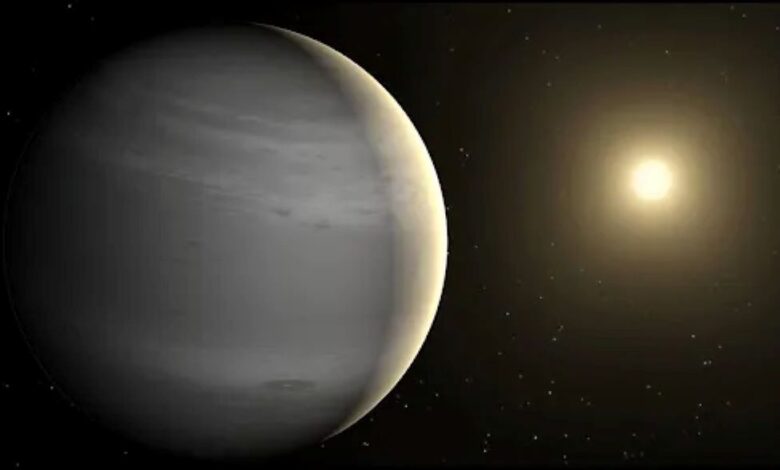
When Will That Star Dim? Amateur Planet-Chasers Got You!
A planet swings in front of its star, dimming the starlight we see. Events like these, called transits, provide us with bounties of information about exoplanets–planets around stars other than the Sun. But predicting when these special events occur can be challenging…unless you have help from volunteers. Luckily, a collaboration of multiple teams of amateur planet-chasers, led by researcher Federico…
Read More » -
NASA

Hubble Finds Surprises Around a Star That Erupted 40 Years Ago
Astronomers have used new data from NASA’s Hubble Space Telescope and the retired SOFIA (Stratospheric Observatory for Infrared Astronomy) as well as archival data from other missions to revisit one of the strangest binary star systems in our galaxy – 40 years after it burst onto the scene as a bright and long-lived nova. A nova is a star that suddenly increases its brightness…
Read More » -
NASA
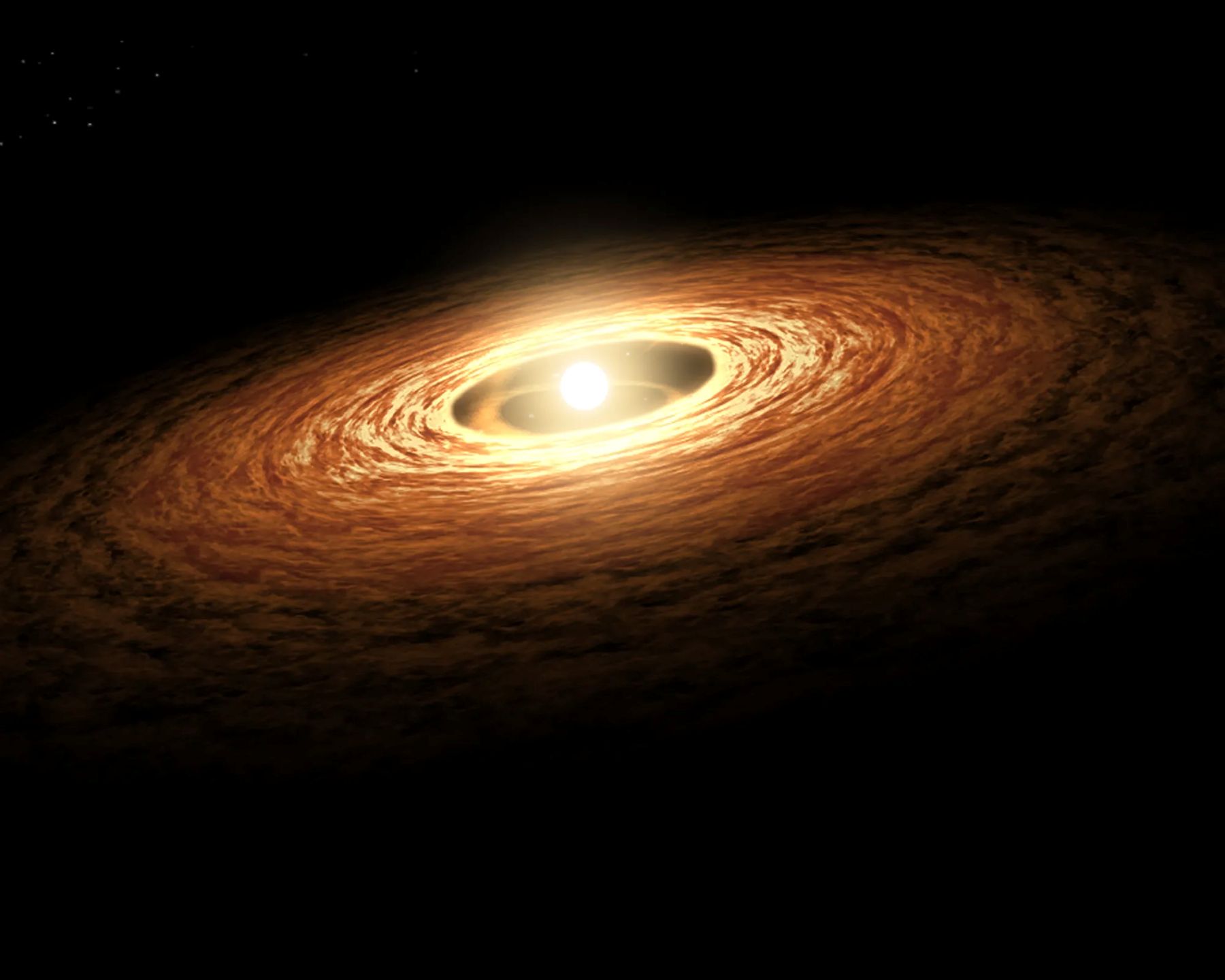
Webb Finds Plethora of Carbon Molecules Around Young Star
An international team of astronomers has used NASA’s James Webb Space Telescope to study the disk of gas and dust around a young, very low-mass star. The results reveal the largest number of carbon-containing molecules seen to date in such a disk. These findings have implications for the potential composition of any planets that might form around this star. Rocky…
Read More » -
NASA
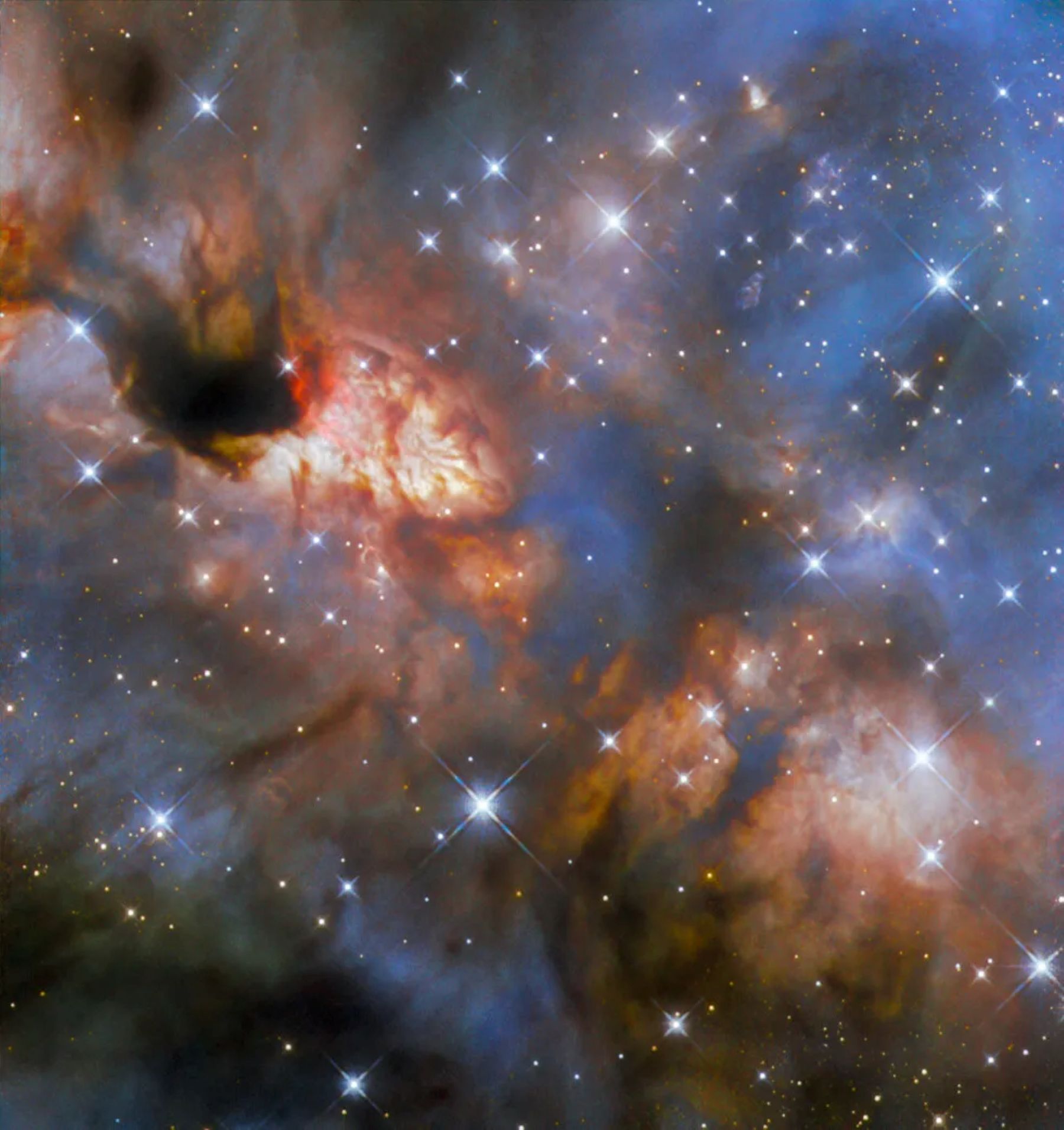
Hubble Views a Massive Star Forming
This image from the NASA/ESA Hubble Space Telescope is teeming with color and activity. It features a relatively close star-forming region known as IRAS 16562-3959, which lies within the Milky Way about 5,900 light-years from Earth in the constellation Scorpius. Observations from Hubble’s Wide Field Camera 3 make up this image. Its detailed nuance of color is the result of four separate filters. These…
Read More » -
NASA

NASA’s Webb Identifies Tiniest Free-Floating Brown Dwarf
Brown dwarfs are objects that straddle the dividing line between stars and planets. They form like stars, growing dense enough to collapse under their own gravity, but they never become dense and hot enough to begin fusing hydrogen and turn into a star. At the low end of the scale, some brown dwarfs are comparable with giant planets, weighing just…
Read More »