
Supersonic Aircraft
-
NASA
High-Speed Flight Project Overview
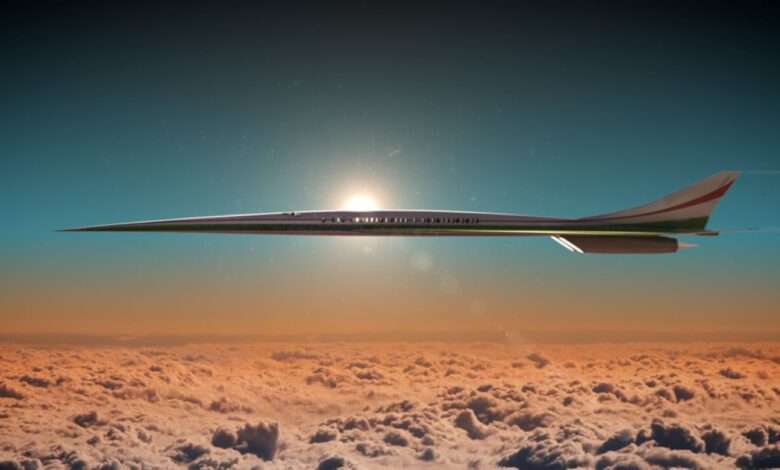
What We do The High-Speed Flight (HSF) project develops technologies that make high-speed, airbreathing, commercial flight possible from Mach 1 to Mach 5 and above. HSF creates tools, technologies, and knowledge that will help eliminate today’s technical barriers to practical supersonic flight, most notably sonic boom. The project supports the X-59 quiet supersonic vehicle testing by gathering acoustic data and…
Read More » -
NASA
NASA Chase Aircraft Ensures X-59’s Safety in Flight
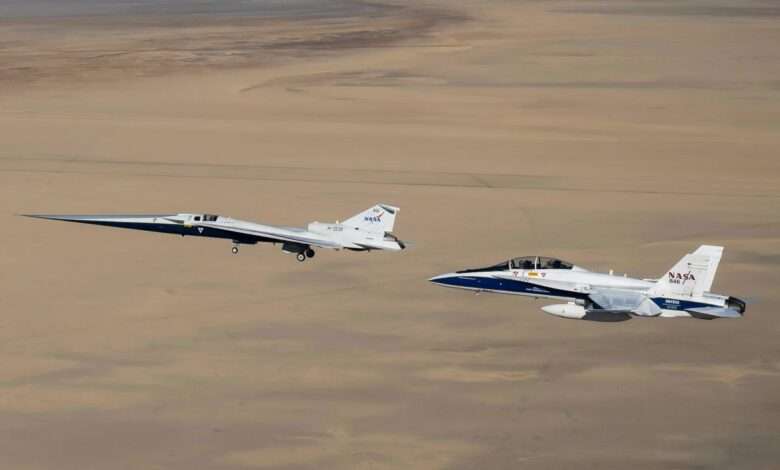
As NASA’s X-59 quiet supersonic research aircraft continues a series of flight tests over the California high desert in 2026, its pilot will be flying with a buddy closely looking out for his safety. That colleague will be another test pilot in a separate chase aircraft. His job as chase pilot: keep a careful watch on things as he tracks the X-59 through the sky, providing…
Read More » -
NASA
NASA’s Quesst Mission Marks X-59’s Historic First Flight
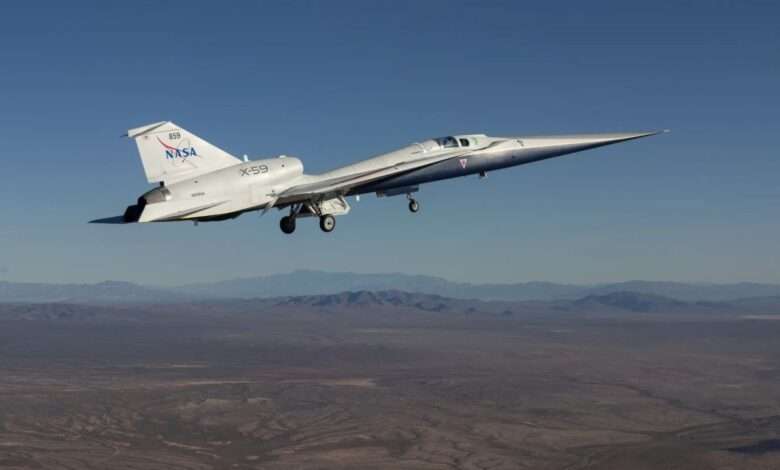
NASA’s X-59 quiet supersonic research aircraft took off for its historic first flight on Oct. 28 at 11:14 a.m. EDT from Lockheed Martin Skunk Works in Palmdale, California. The one-of-a-kind aircraft flew for 67 minutes before landing and taxiing to NASA’s Armstrong Flight Research Center in Edwards, California. NASA test pilot Nils Larson flew the X-59 up to an altitude…
Read More » -
NASA
NASA’s X-59 Moves Toward First Flight at Speed of Safety
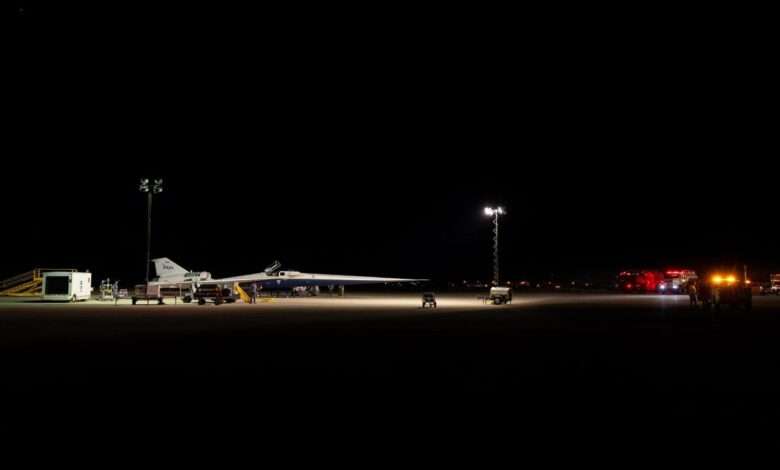
As NASA’s one-of-a-kind X-59 quiet supersonic research aircraft approaches first flight, its team is mapping every step from taxi and takeoff to cruising and landing – and their decision-making is guided by safety. First flight will be a lower-altitude loop at about 240 mph to check system integration, kicking off a phase of flight testing focused on verifying the aircraft’s…
Read More » -
NASA
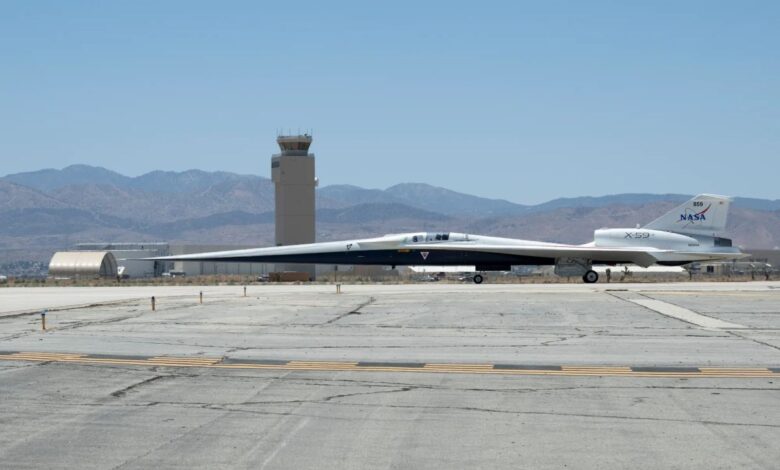
NASA’s X-59 Makes a Move
NASA’s X-59 quiet supersonic research aircraft completed its first low-speed taxi test at U.S. Air Force Plant 42 in Palmdale, California, on July 10, 2025. This marked the first time the one-of-a-kind experimental aircraft has ever moved under its own power. During the test, engineers and flight crews monitored the X-59 as it moved across the runway, working to validate critical systems like steering and braking. The…
Read More » -
NASA

NASA’s X-59 Completes ‘Cruise Control’ Engine Speed Hold Test
Lee esta historia en español aquí. The team behind NASA’s X-59 completed another critical ground test in March, ensuring the quiet supersonic aircraft will be able to maintain a specific speed during operation. The test, known as engine speed hold, is the latest marker of progress as the X-59 nears first flight this year. “Engine speed hold is essentially the aircraft’s…
Read More » -
NASA
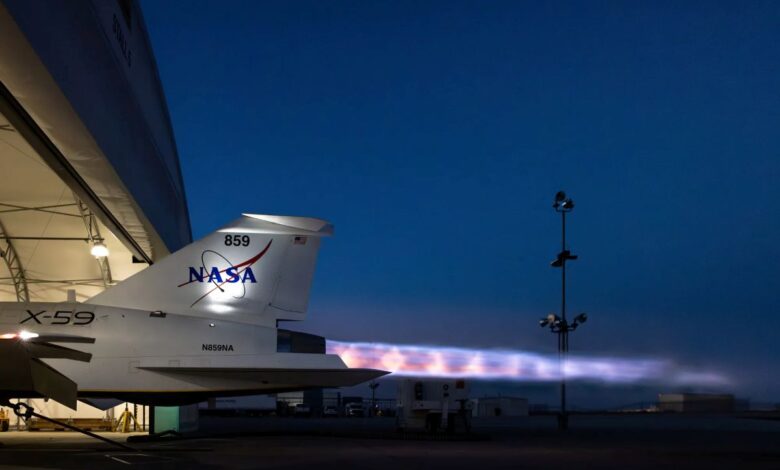
Diamonds from NASA’s X-59
NASA’s X-59 quiet supersonic research aircraft took another successful step toward flight with the conclusion of a series of engine performance tests. During maximum afterburner testing, a test demonstrating the engine’s ability to generate the thrust required for supersonic flight, the aircraft showed off a phenomenon known as Mach diamonds, seen in this image from Jan. 22, 2025. Mach diamonds,…
Read More » -
NASA
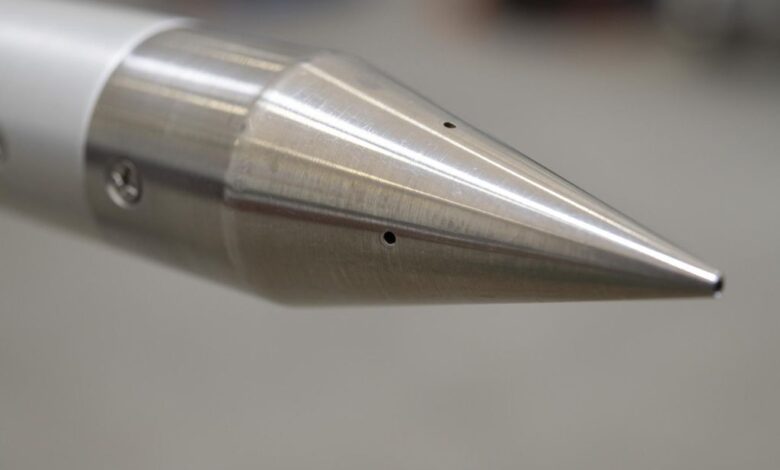
NASA to Test Technology for X-59’s Unique Shock Wave Measurements
NASA will soon test advancements made on a key tool for measuring the unique “sonic thumps” that its quiet supersonic X-59 research aircraft will make while flying. A shock-sensing probe is a cone-shaped air data probe developed with specific features to capture the unique shock waves the X-59 will produce. Researchers at NASA’s Armstrong Flight Research Center in Edwards, California,…
Read More » -
Press Releases
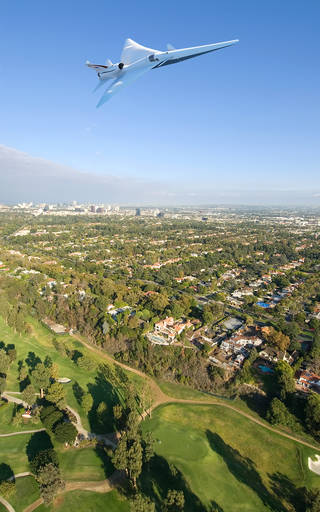
NASA Awards Contract to Build Quieter Supersonic Aircraft
NASA has taken another step toward re-introducing supersonic flight with the award Tuesday of a contract for the design, building and testing of a supersonic aircraft that reduces a sonic boom to a gentle thump. Lockheed Martin Aeronautics Company of Palmdale, California, was selected for the Low-Boom Flight Demonstration contract, a cost-plus-incentive-fee contract valued at $247.5 million. Work under the…
Read More »