
TESS
-
NASA
NASA’s TESS Mission Finds Planetary System in New Way
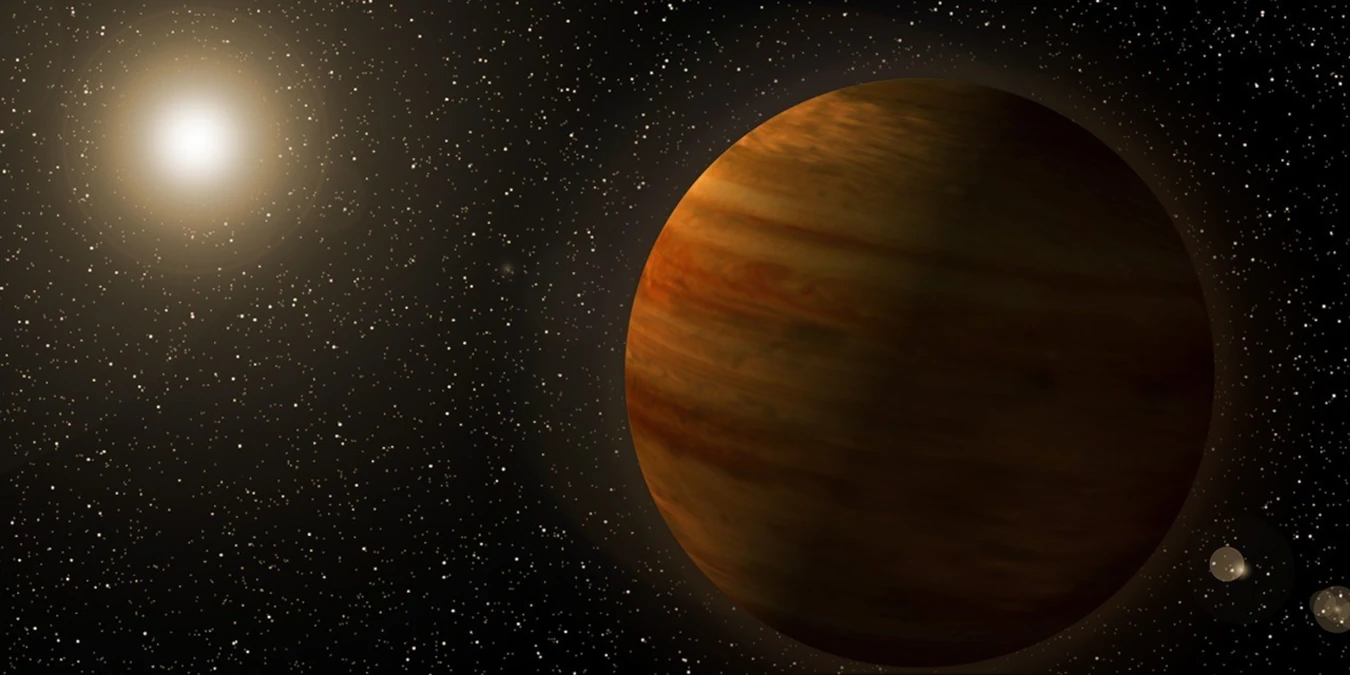
For the first time, NASA’s TESS (Transiting Exoplanet Survey Satellite) mission has identified a planet orbiting a distant star thanks to ripples in space-time. Unlike the star-hugging transiting planets TESS regularly reveals, the newfound world is a super-Jupiter orbiting far from its host star. “When TESS launched, no one expected it to ever be capable of finding this kind of…
Read More » -
NASA

NASA’s Planet-Hunting TESS Reveals Dazzling Night Sky
NASA’s TESS (Transiting Exoplanet Survey Satellite) has released its most complete view of the starry sky to date, filling in gaps from previous observations. Nearly 6,000 colored dots scattered across the image show the locations of either confirmed or candidate exoplanets — worlds beyond our solar system — identified by the mission as of September 2025 at the end of…
Read More » -
NASA
For NASA’s TESS, Stellar Eclipses Shed Light on Possible New Worlds
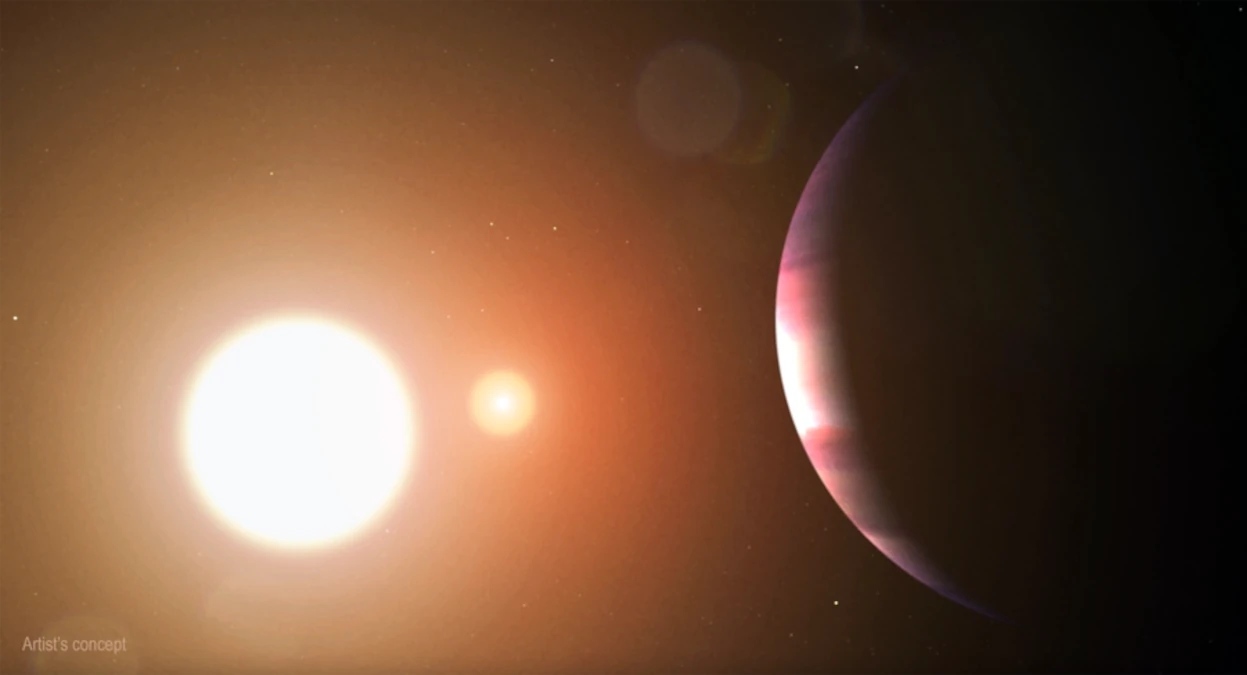
A study of NASA’s TESS (Transiting Exoplanet Survey Satellite) data on stellar pairs undergoing mutual eclipses has uncovered more than two dozen candidate exoplanets, or worlds beyond our solar system. This method allows the mission to locate planets it couldn’t otherwise detect. A gas giant planet looms in the foreground at right, illuminated by a pair of stars, in this…
Read More » -
NASA

TESS Status Updates
Jan. 23, 2026 NASA’s TESS Returns to Science Observations NASA’s TESS (Transiting Exoplanet Survey Satellite) entered safe mode Jan. 15 and returned to normal science operations Jan. 18. The operations team determined the issue arose when TESS slewed to point at a target, but its solar panels did not rotate to remain pointed at the Sun relative to the spacecraft’s new direction.…
Read More » -
NASA
Discovery Alert: a ‘Hot Neptune’ in a Tight Orbit
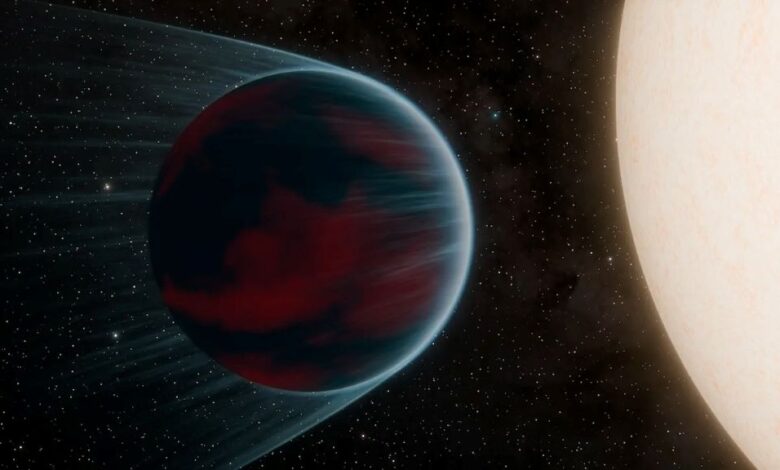
By Grace Jacobs Corban The Discovery A Neptune-sized planet, TOI-3261 b, makes a scorchingly close orbit around its host star. Only the fourth object of its kind ever found, the planet could reveal clues as to how planets such as these form. Key Facts An international team of scientists used the NASA space telescope, TESS (the Transiting Exoplanet Survey Satellite),…
Read More » -
NASA
NASA’s TESS Spots Record-Breaking Stellar Triplets
Professional and amateur astronomers teamed up with artificial intelligence to find an unmatched stellar trio called TIC 290061484, thanks to cosmic “strobe lights” captured by NASA’s TESS (Transiting Exoplanet Survey Satellite). The system contains a set of twin stars orbiting each other every 1.8 days, and a third star that circles the pair in just 25 days. The discovery smashes the…
Read More » -
NASA
Talented Teams Tackle Toasty Planet
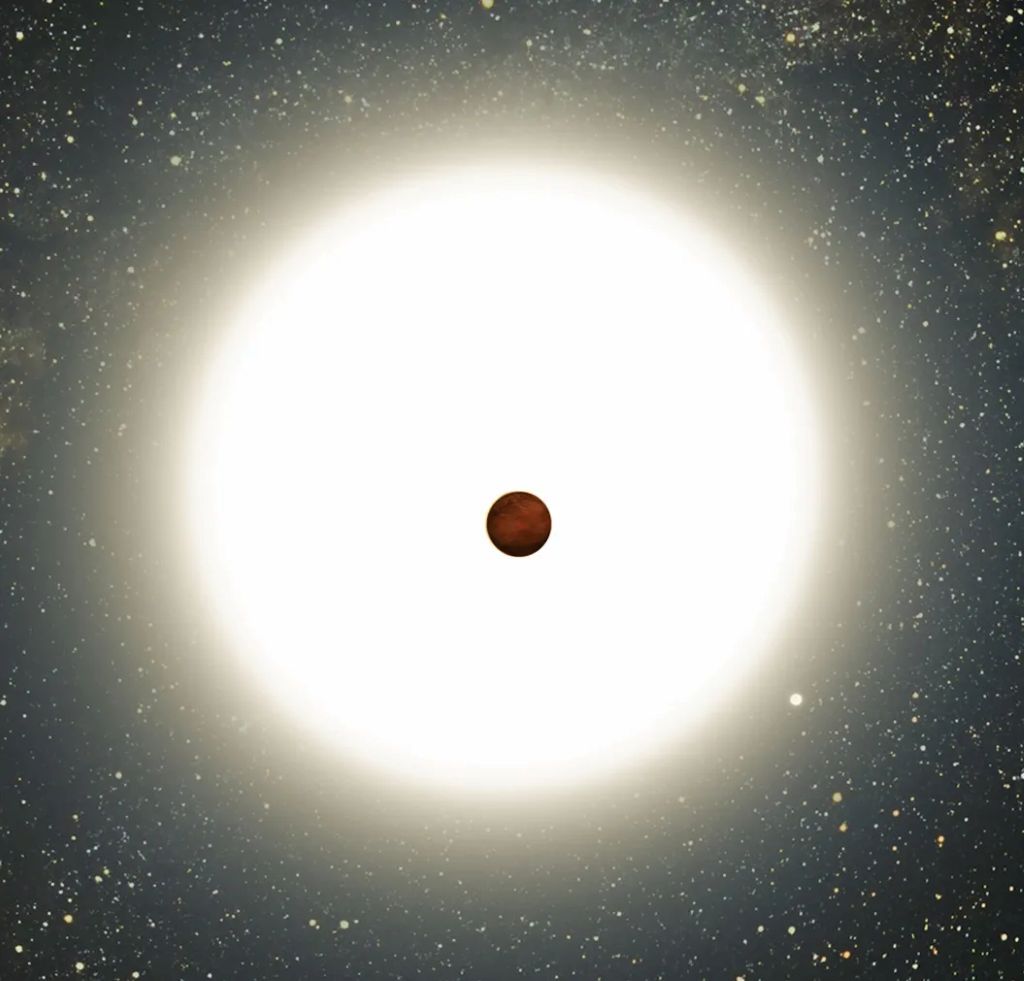
Exoplanets, look out! Two NASA-funded teams of amateur astronomers are tracking you with their backyard telescopes. These two teams, called UNITE (UNISTELLAR Network Investigating TESS Exoplanets) and Exoplanet Watch, have combined forces to confirm a new planetary discovery—a toasty “warm Jupiter”. “I pinch myself every day when I recall that I have made a meaningful scientific contribution to astronomy by helping professional astronomers confirm…
Read More » -
NASA
How NASA Citizen Science Fuels Future Exoplanet Research
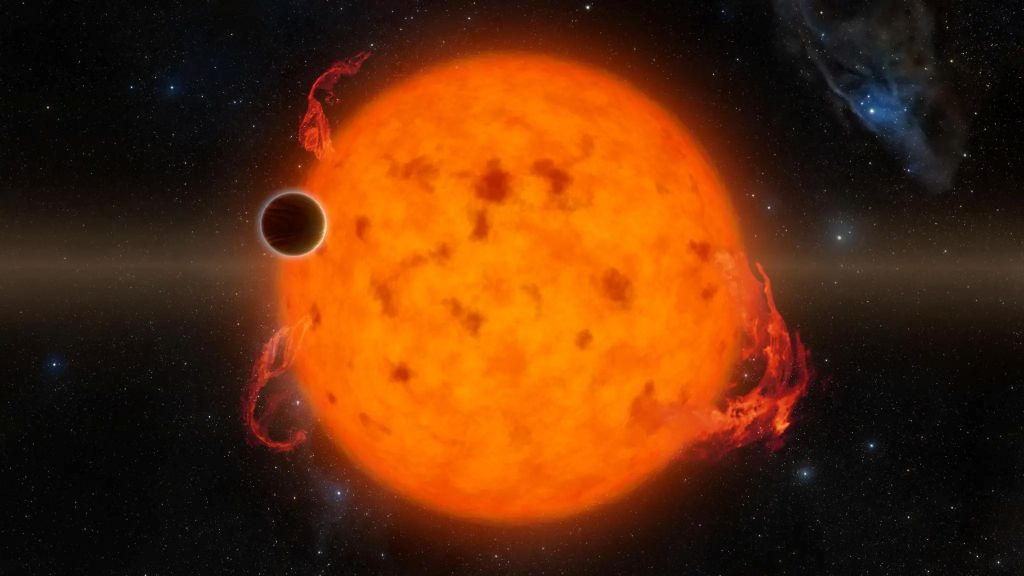
NASA’s upcoming flagship astrophysics missions, the Nancy Grace Roman Space Telescope and the Habitable Worlds Observatory, will study planets outside our solar system, known as exoplanets. Over 5,000 exoplanets have been confirmed to date — and given that scientists estimate at least one exoplanet exists for every star in the sky, the hunt has just begun. Exoplanet discoveries from Roman and the Habitable Worlds…
Read More » -
NASA
NASA’s TESS Finds Intriguing World Sized Between Earth, Venus
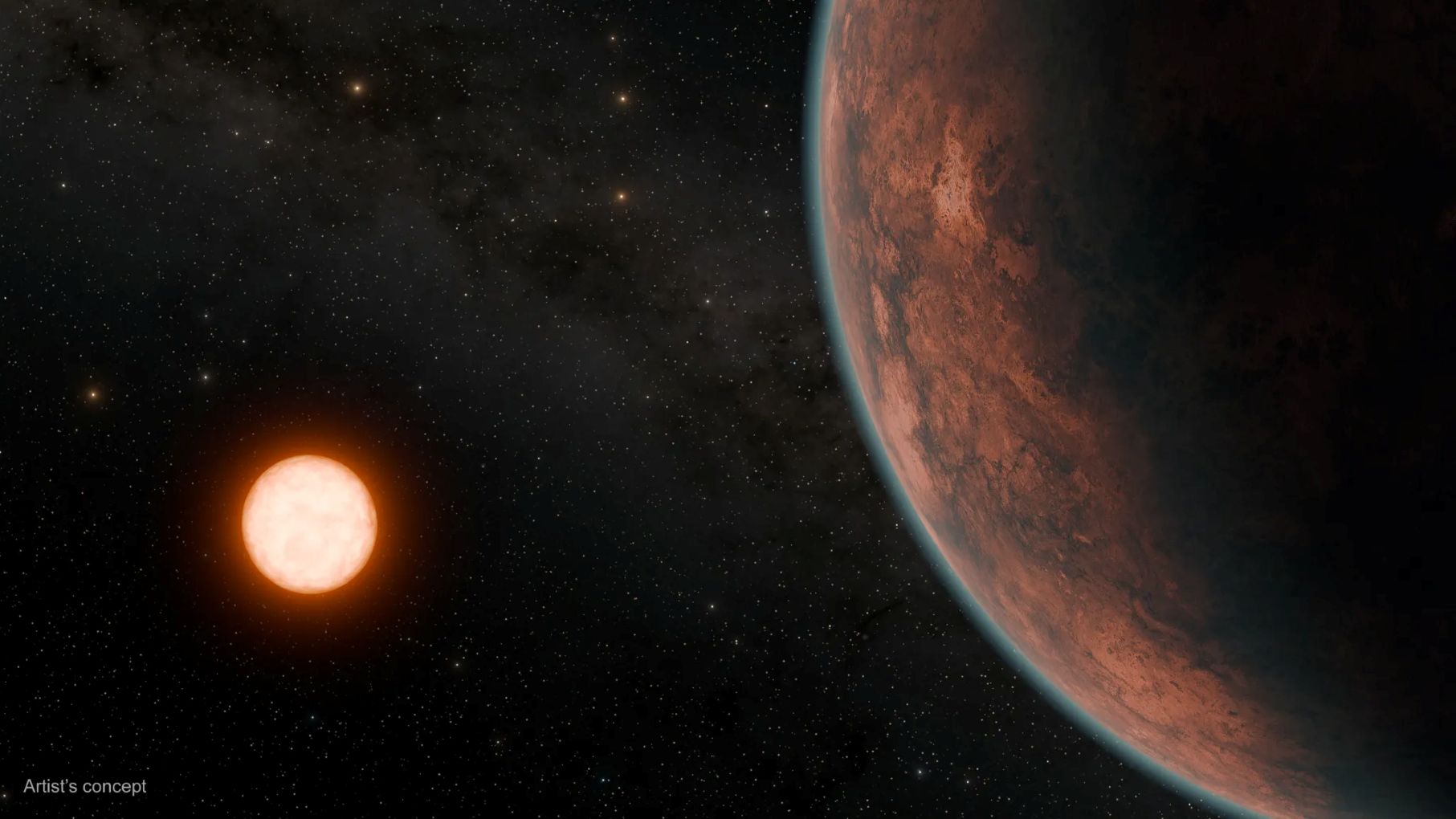
Using observations by NASA’s TESS (Transiting Exoplanet Survey Satellite) and many other facilities, two international teams of astronomers have discovered a planet between the sizes of Earth and Venus only 40 light-years away. Multiple factors make it a candidate well-suited for further study using NASA’s James Webb Space Telescope. Gliese 12 b, which orbits a cool red dwarf star located just 40 light-years…
Read More » -
NASA
NASA’s TESS Temporarily Pauses Science Observations
NASA’s TESS (Transiting Exoplanet Survey Satellite) entered into safe mode April 8, temporarily interrupting science observations. The team is investigating the root cause of the safe mode, which occurred during scheduled engineering activities. The satellite itself remains in good health. The team will continue investigating the issue and is in the process of returning TESS to science observations in the…
Read More »