Uranus
-
NASA
Listen to This Month’s ‘Planetary Parade’ With NASA’s Chandra
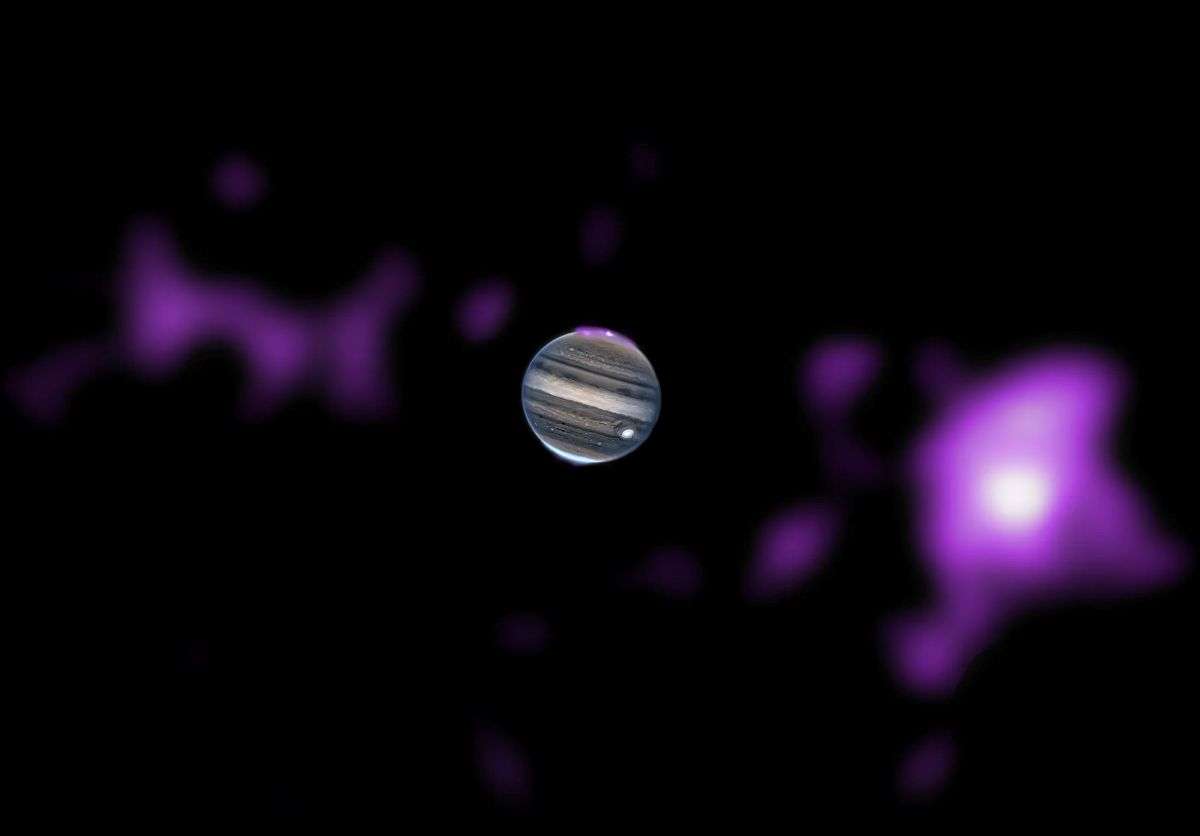
In late February, people in the Northern Hemisphere can look up for a special sight: six planets will all be visible from clear and dark night skies. New sonifications from NASA’s Chandra X-ray Observatory released Feb. 25 will help commemorate this latest “planetary parade.” Because the planets in our solar system travel around the Sun in the same plane (known as…
Read More » -
Press Releases
Webb Maps Uranus’ Upper Atmosphere
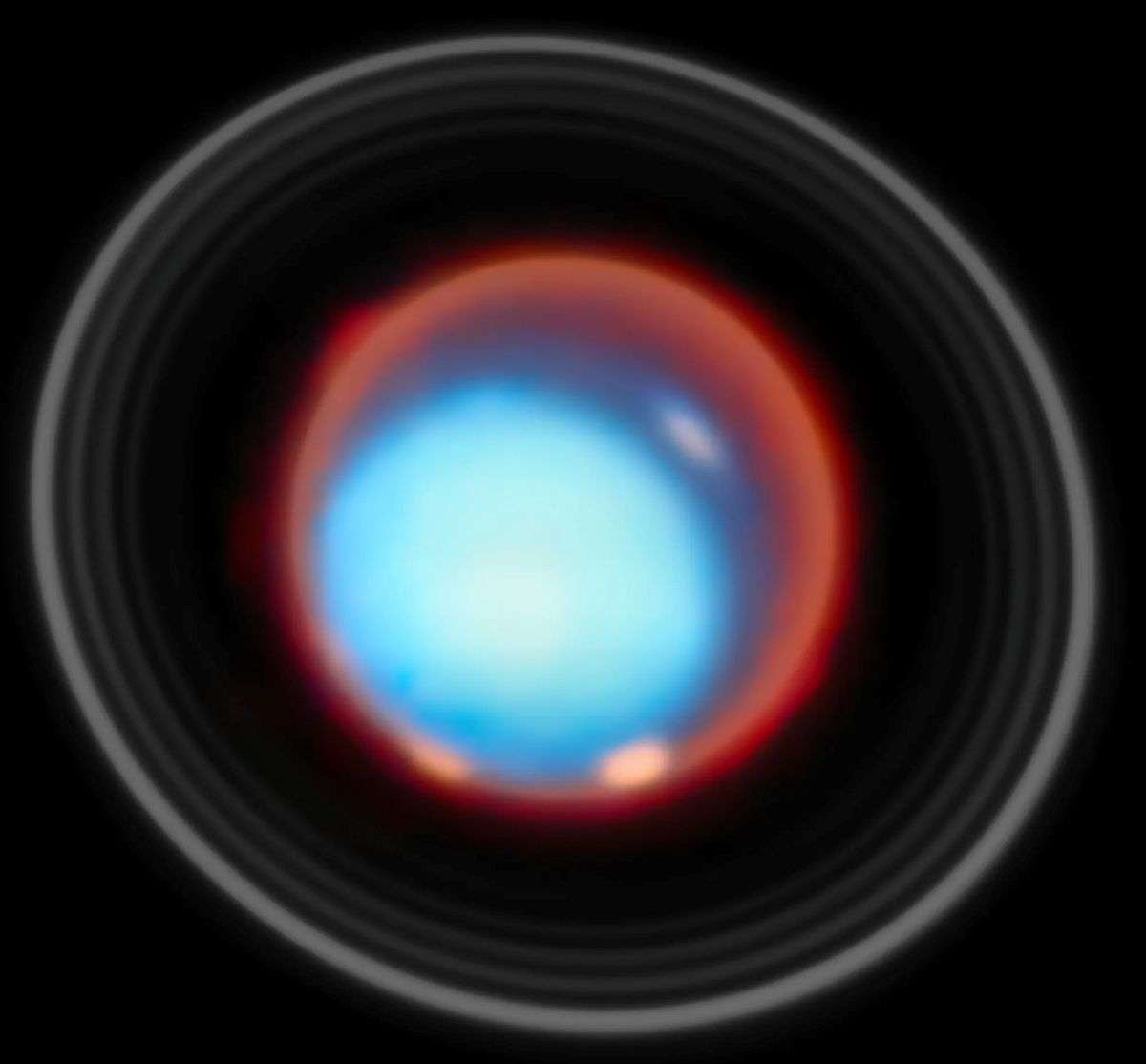
NASA’s James Webb Space Telescope provided the first vertical view of Uranus’s ionosphere in this image released on Feb. 19, 2026, revealing auroras shaped by its tilted magnetic field. Getting a look at the structure of the region where the atmosphere interacts strongly with the planet’s magnetic field is giving us the most detailed portrait yet of where its auroras…
Read More » -
NASA
Europa Clipper Captures Uranus With Star Tracker Camera
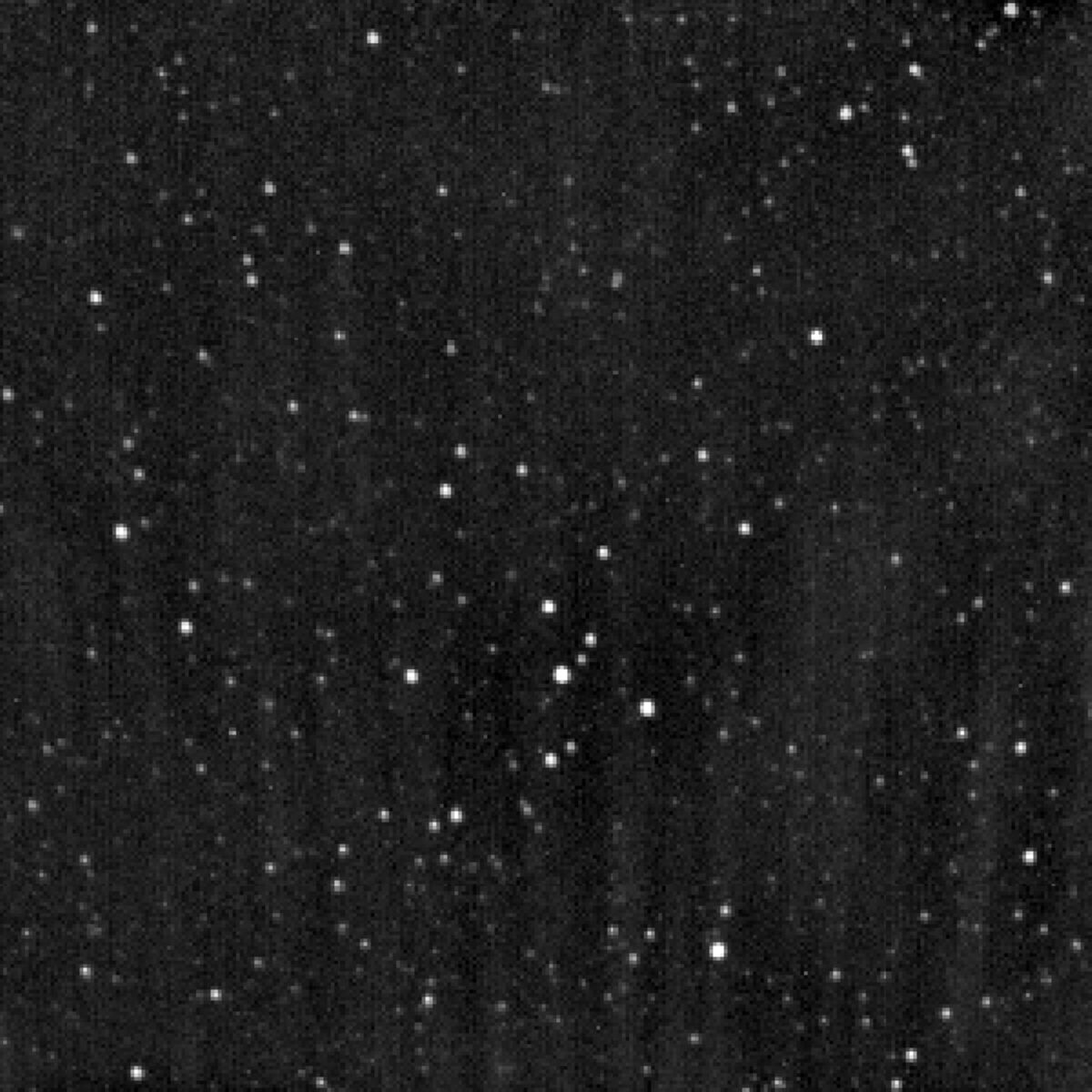
Description NASA’s Europa Clipper captured this image of a starfield — and the planet Uranus — on Nov. 5, 2025, while experimenting with one of its two stellar reference units. These star-tracking cameras are used for maintaining spacecraft orientation. Within the camera’s field of view — representing 0.1% of the full sky around the spacecraft — Uranus is visible as a…
Read More » -
Press Releases
NASA, Oxford Discover Warmer Uranus Than Once Thought
For millennia, astronomers thought Uranus was no more than a distant star. It wasn’t until the late 18th century that Uranus was universally accepted as a planet. To this day, the ringed, blue world subverts scientists’ expectations, but new NASA research helps puzzle out some of the world’s mystique. This zoomed-in image of Uranus, captured by the Near-Infrared Camera on…
Read More » -
NASA
Planetary Alignment Provides NASA Rare Opportunity to Study Uranus
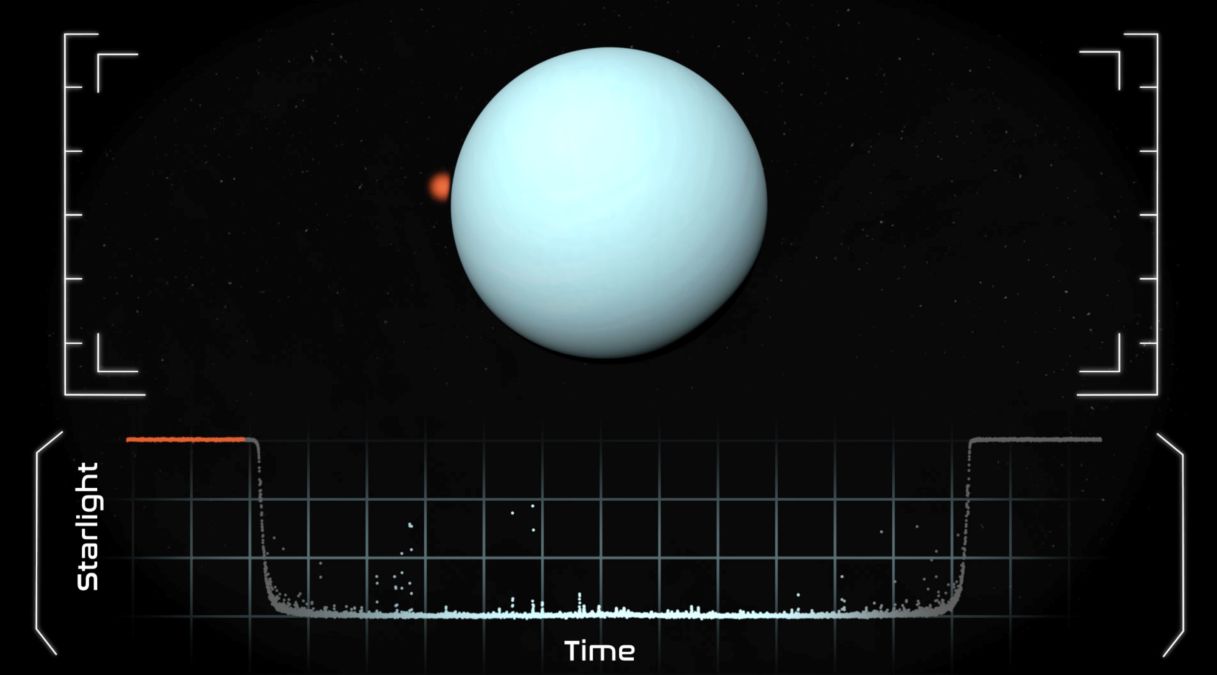
When a planet’s orbit brings it between Earth and a distant star, it’s more than just a cosmic game of hide and seek. It’s an opportunity for NASA to improve its understanding of that planet’s atmosphere and rings. Planetary scientists call it a stellar occultation and that’s exactly what happened with Uranus on April 7. Observing the alignment allows NASA…
Read More » -
NASA
Have We Been to Uranus? We Asked a NASA Expert: Episode 56
Have we ever been to Uranus? The answer is simple, yes, but only once. The Voyager II spacecraft flew by the planet Uranus back in 1986, during a golden era when the Voyager spacecraft explored all four giant planets of our solar system. It revealed an extreme world, a planet that had been bowled over onto its side by some…
Read More » -
NASA
Hubble Helps Determine Uranus’ Rotation Rate with Unprecedented Precision
An international team of astronomers using the NASA/ESA Hubble Space Telescope has made new measurements of Uranus’ interior rotation rate with a novel technique, achieving a level of accuracy 1,000 times greater than previous estimates. By analyzing more than a decade of Hubble observations of Uranus’ aurorae, researchers have refined the planet’s rotation period and established a crucial new reference point for…
Read More » -
NASA
20-Year Hubble Study of Uranus Yields New Atmospheric Insights
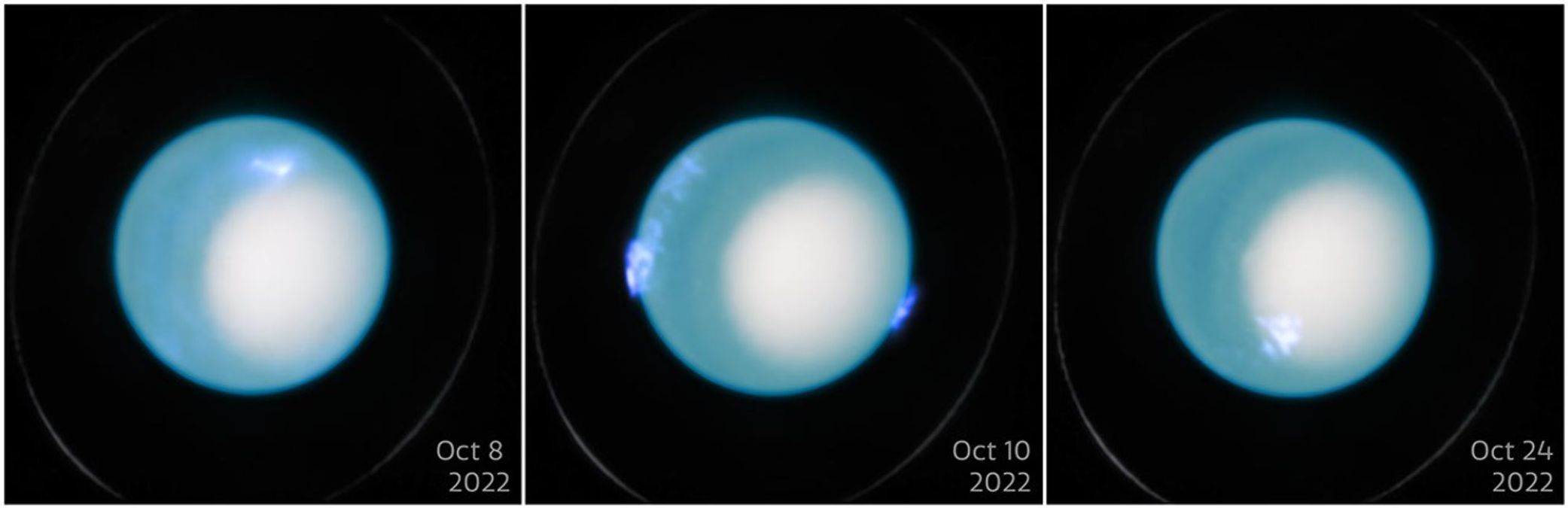
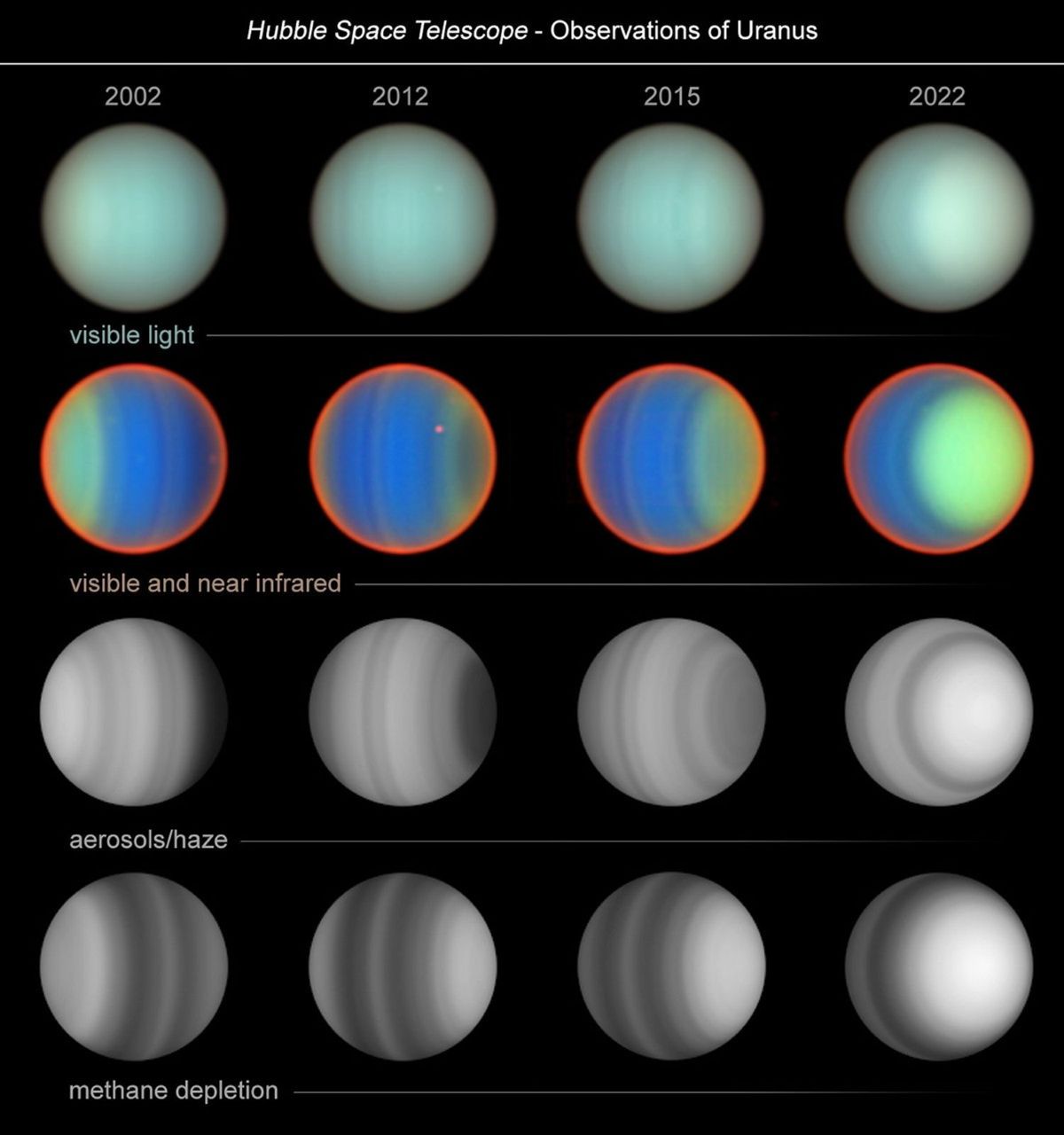
The ice-giant planet Uranus, which travels around the Sun tipped on its side, is a weird and mysterious world. Now, in an unprecedented study spanning two decades, researchers using NASA’s Hubble Space Telescope have uncovered new insights into the planet’s atmospheric composition and dynamics. This was possible only because of Hubble’s sharp resolution, spectral capabilities, and longevity. The team’s results will help…
Read More » -
NASA
Mining Old Data From NASA’s Voyager 2 Solves Several Uranus Mysteries
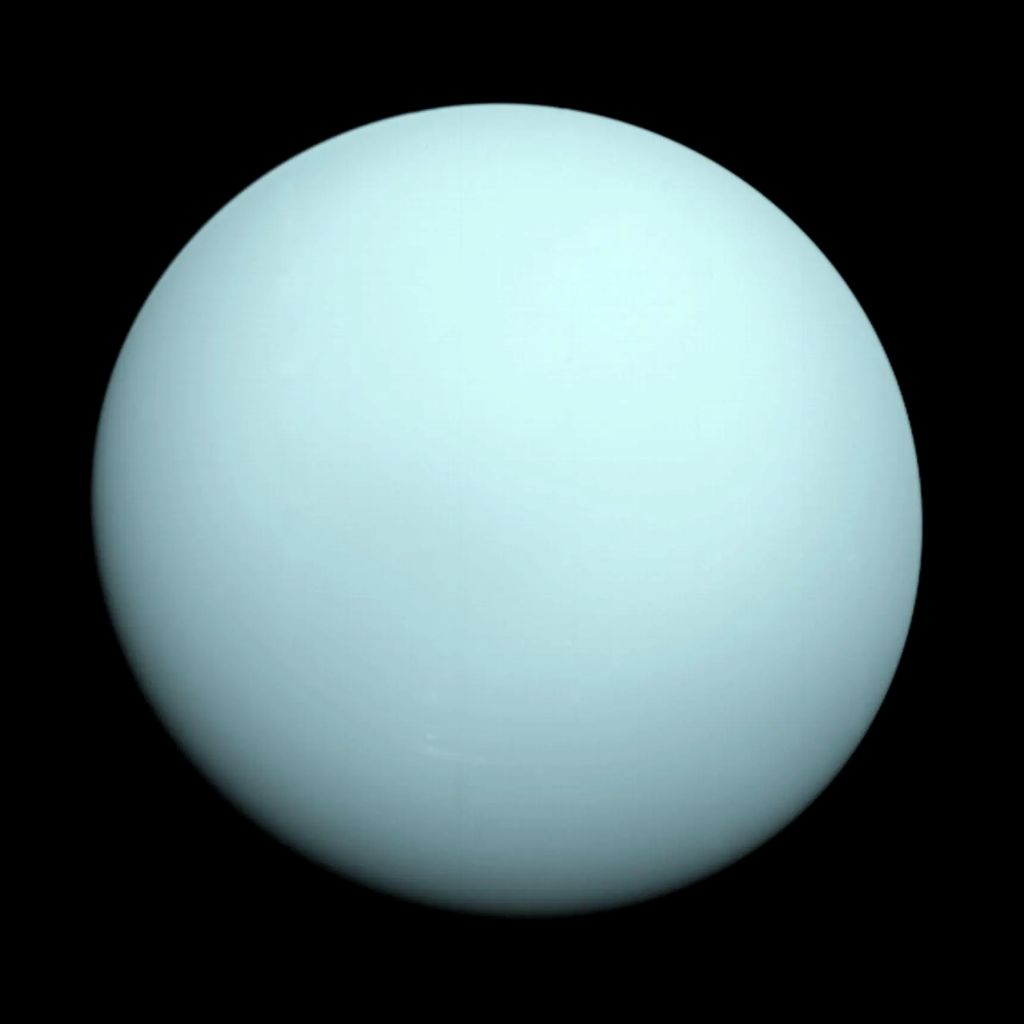
NASA’s Voyager 2 flyby of Uranus decades ago shaped scientists’ understanding of the planet but also introduced unexplained oddities. A recent data dive has offered answers. When NASA’s Voyager 2 spacecraft flew by Uranus in 1986, it provided scientists’ first — and, so far, only — close glimpse of this strange, sideways-rotating outer planet. Alongside the discovery of new moons…
Read More » -
NASA
What’s Up: July 2024 Skywatching Tips from NASA
What to Look for in July The scorpion’s star clusters, and Mars reveals elusive Uranus Follow the tail of Scorpius to locate star clusters M6 and M7, let Mars guide you to observe planet Uranus, and see the Moon gather a group of planets in the morning. Highlights All month – Two easy-to-spot star clusters – M7, aka Ptolemy’s Cluster, and…
Read More »