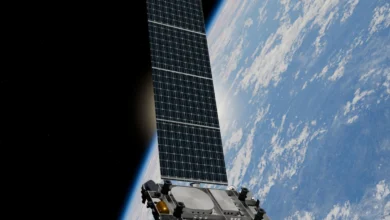
For a couple of centuries, the world has relied heavily on fossil fuels like gasoline and coal for the production of energy. However, the environmental impact associated with the extraction and use of these products makes them unsustainable, and there are new options in use today that are being adopted every more widely.
The purpose of these new energy sources is not just to reduce the carbon footprint of energy production. It’s also to stabilize prices by generating energy domestically using domestic resources. That combination of characteristics matches a number of alternative energy sources.
Solar Power
If you’ve ever been outside on a hot day, you know the sun just doesn’t want to quit. That’s what creates a successful enterprise for the solar companies Utah is home to. The desert sun beams down onto the solar panels, generating clean electricity every day for as many days as the sun comes up.
There is zero cost associated with the fuel for solar power. It just shows up every morning and leaves every evening, like a loyal employee. Yes, productivity is a bit lower when the skies are overcast, but on the whole, there is plenty of electricity coming out of these facilities. And if there’s ever a problem, the grid can count on some other options.
Wind Power
One of those is the wind. It is no stretch to say that there will never be a day where there’s no wind on the windmills at the same time that there is no sun on the solar panels, so these two techniques actually work quite well together.
Massive windmills throughout the Midwest (actually referred to as wind turbines) are cranking out power through ever-improving technology, making wind power more efficient every day. With the steady movement of wind across so many millions of level acres, there are countless potential sites for new wind-powered generation.
Natural Gas
One fossil fuel remains in play, but its chemistry and extraction techniques make it far superior to cousins coal and petroleum. Natural gas produces only water vapor and carbon dioxide when it is burned, and the carbon output is far lower than that of coal, making it a cleaner option.
In addition, gas can be removed by a much simpler drilling process as opposed to the deep mining necessary to access coal reserves. There are varying estimates on the amount of natural gas available, but every authority agrees that there is many years’ worth that remain untapped.
Hydroelectric Power
Throughout the deep south, there is a system of dams and lakes built by the Tennessee Valley Authority. This entity was created to control floods on the broad plains of Dixie while generating clean electricity at the dams that regulate the water. The famous Hoover Dam in Nevada is also a hydroelectric facility, providing electricity to Las Vegas and other areas of the west where coal is too far away to be practical.
Hydroelectric power is beautifully simple because it uses two things: Water and gravity. It doesn’t consume either one, so the gallons of water that generate power today could eventually flow through another dam and generate even more. With so many potential hydroelectric plant locations, the cost of getting electricity from the generation point to the consumer can be very low.
The most important thing to remember about electricity is that it’s the same form of energy no matter how it’s created. Clean forms of energy such as wind, water, gas, and the sun all yield electricity that can feed into the grid just the same as the dirtier, limited forms of energy like coal and oil.
As policymakers look toward the future, the provision of electricity via sustainable methods will be a key issue, and there are many such methods already in place. It’s just a matter of time