Step Into the Future of Pinball with Zen Pinball World, the Definitive Portable Pinball Platform on December 12, 2024


Zen Studios—the leading global producer and publisher of digital pinball video games—today announced its newest original title, Zen Pinball World. A successor to previous Zen Pinball mobile games, this easy-to-learn, modern take will allow players to have their favorite pinball tables in their pocket on December 12, 2024.
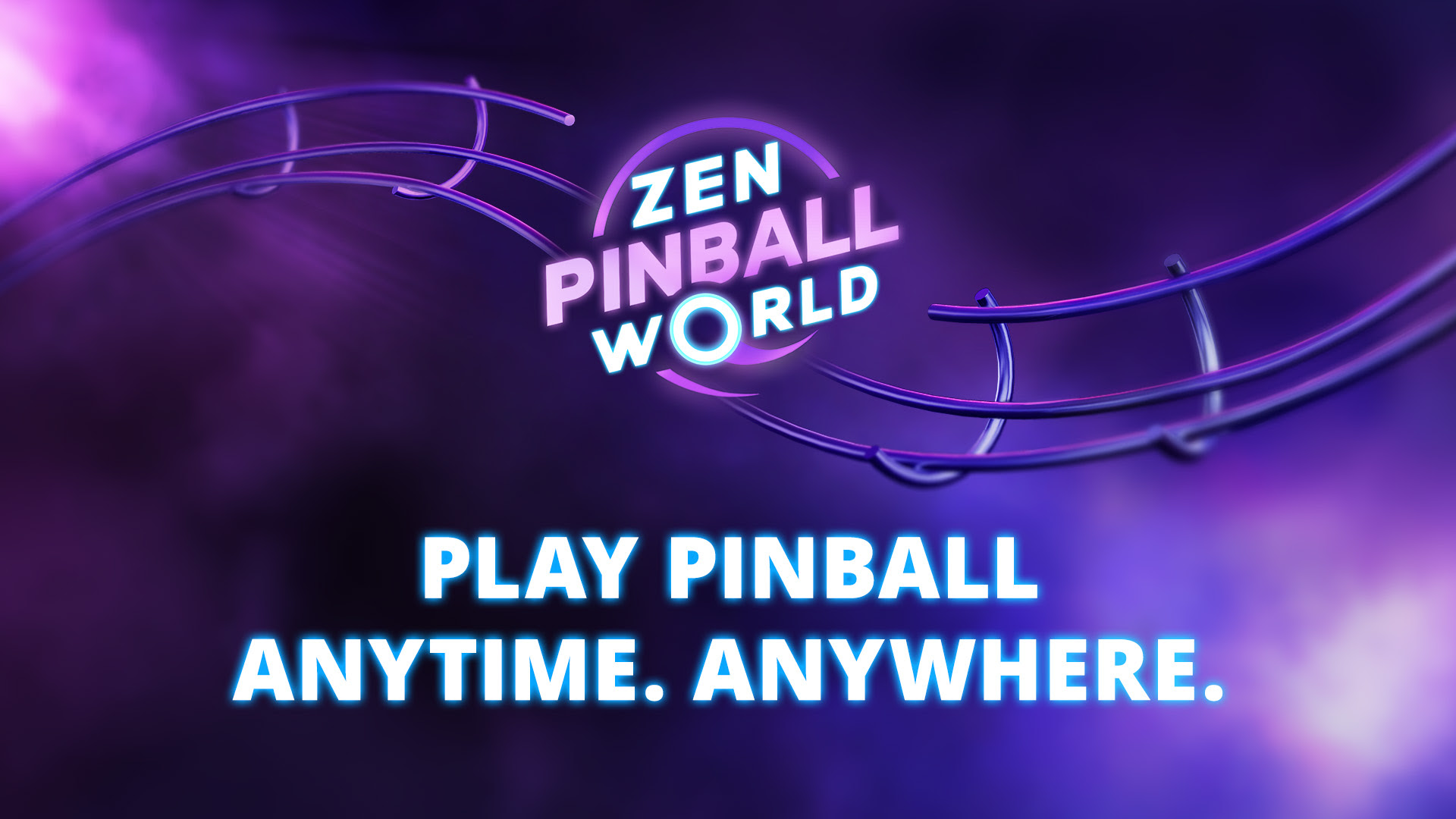
Check out the Zen Pinball World Announcement Trailer:
YouTube | Download
Drawing on Zen Studios’ legacy of excellence through long-standing titles like Zen Pinball (which has amassed over ten million downloads in its lifetime), Pinball FX (which recently celebrated over two million players), and the horror-centric Pinball M, Zen Pinball World expands upon the innovations of those releases.
In the next evolution of pinball mastery from Zen Studios, Zen Pinball World will feature unique gameplay modifiers and customization options as well as tables based on some of the biggest hits in entertainment, like South Park™ Pinball, Knight Rider Pinball, Battlestar Galactica Pinball, along with timeless Williams™ classics and many more. After its release, Zen Pinball World will regularly add even more content to enjoy!
Zen Pinball World’s Key Features:
- Classic single-player pinball gameplay with various challenge modes
- Online worldwide & regional leaderboards on which to prove your pinball prowess
- Customizable player profile backgrounds and unique mastery rewards to showcase
- More than 20 tables available at launch, based on some of the biggest brands in entertainment
- Additional tables to be added in future expansions
Are you ready to become a pinball wizard?
Zen Pinball World will be released on December 12, 2024, as a free-to-play title for Android and iOS devices.
To stay up-to-date with Zen Studios, follow on Facebook, X (Twitter), Instagram, and YouTube, and join the community on Discord and Reddit.
About Zen Studios
Zen Studios is a leading global producer and publisher of interactive entertainment software for all major digital game platforms. Recognized as one of the premier gaming studios in the world, Zen has worked with some of the most iconic entertainment studios, including Disney, Legendary, Lucasfilm, Marvel Entertainment, NBC Universal, and Paramount Pictures.
Zen Studios’ Pinball FX franchise has defined video game pinball excellence since 2007. The latest iteration of Pinball FX and its horror-centric counterpart, Pinball M, were released in 2023 as free-to-play titles across all major gaming platforms. New downloadable pinball tables are released frequently for both titles. For more information, please visit zenstudios.com.
About Embracer Group
Embracer Group is a global Group of creative and entrepreneurial businesses in PC, console, mobile and board games and other related media. The Group has an extensive catalog of over 900 owned or controlled franchises. With its head office based in Karlstad, Sweden, Embracer Group has a global presence through its eleven operative groups: THQ Nordic, PLAION, Coffee Stain, Amplifier Game Invest, DECA Games, Gearbox Entertainment, Easybrain, Asmodee, Dark Horse, Freemode and Crystal Dynamics – Eidos. The Group has 111 internal game development studios and is engaging more than 12,000 employees in more than 40 countries.
Embracer Group’s shares are publicly listed on Nasdaq Stockholm under the ticker EMBRAC B.