
Webb
-
NASA
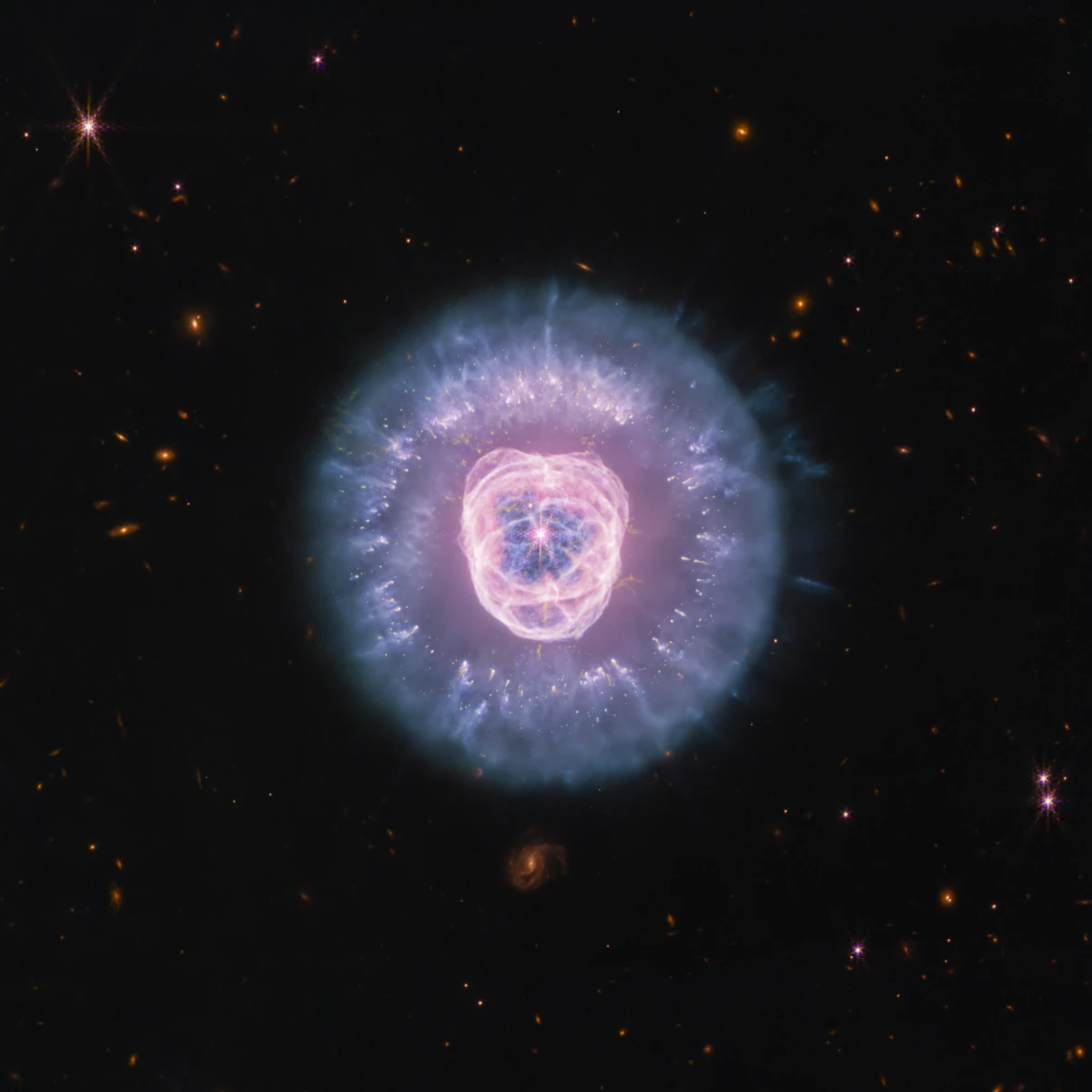
Lion Nebula Roars to Life With NASA’s Webb
Observing across the starry “plains” of space, NASA’s James Webb Space Telescope has taken new images of NGC 2392, nicknamed the Lion Nebula. NASA’s Hubble Space Telescope previously viewed this planetary nebula in 2000, imaging the lion face-shaped target in visible light and revealing features such as the “mane” of hazy, comet-shaped objects. Now Webb has captured a clearer, more detailed view of the…
Read More » -
NASA
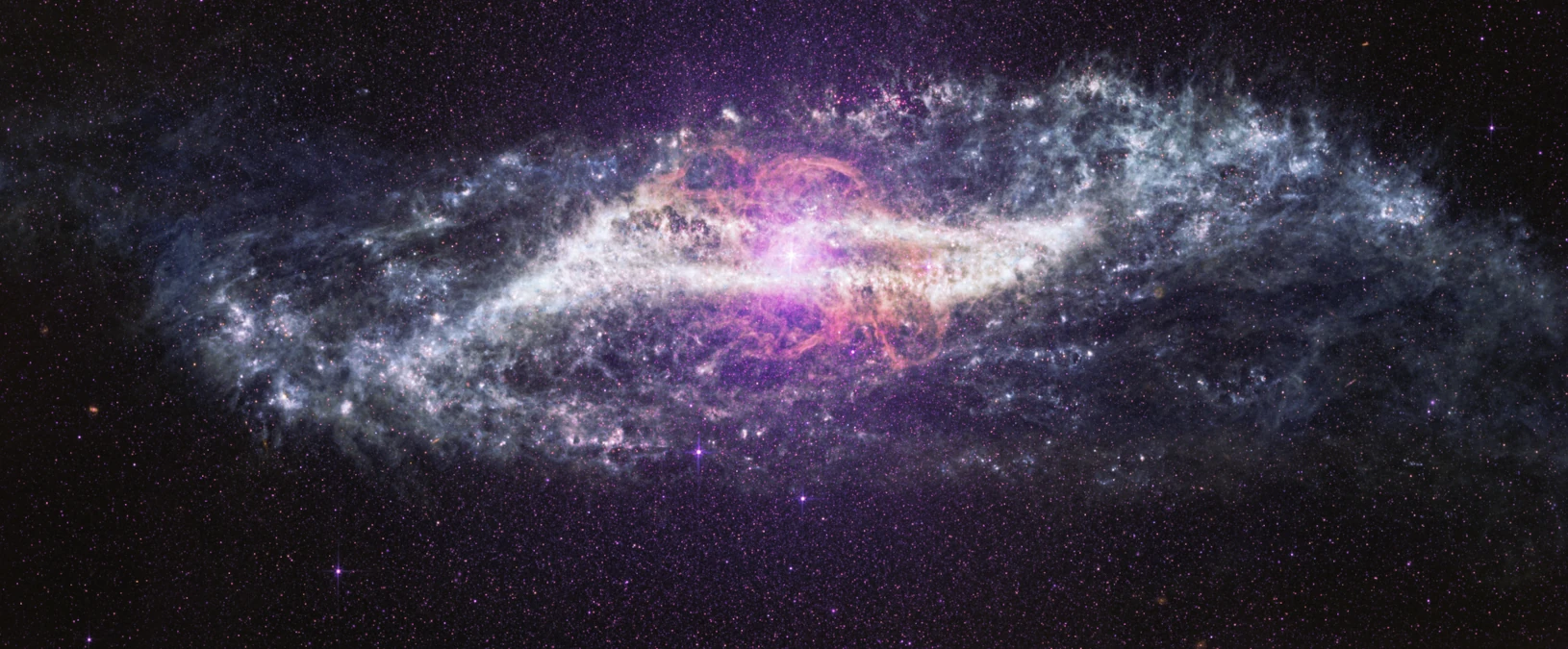
NASA Webb Uncovers Unusual Galaxy Shaped by Cosmic Collision
In new images from NASA’s James Webb Space Telescope to celebrate its fourth science anniversary, a familiar galaxy transforms into something far richer, and far more complex, than ever seen before. Webb’s unprecedented sensitivity across near- and mid-infrared wavelengths cuts through the thick lanes of dust that obscure Centaurus A’s center in visible light, showing a densely packed tapestry of…
Read More » -
NASA
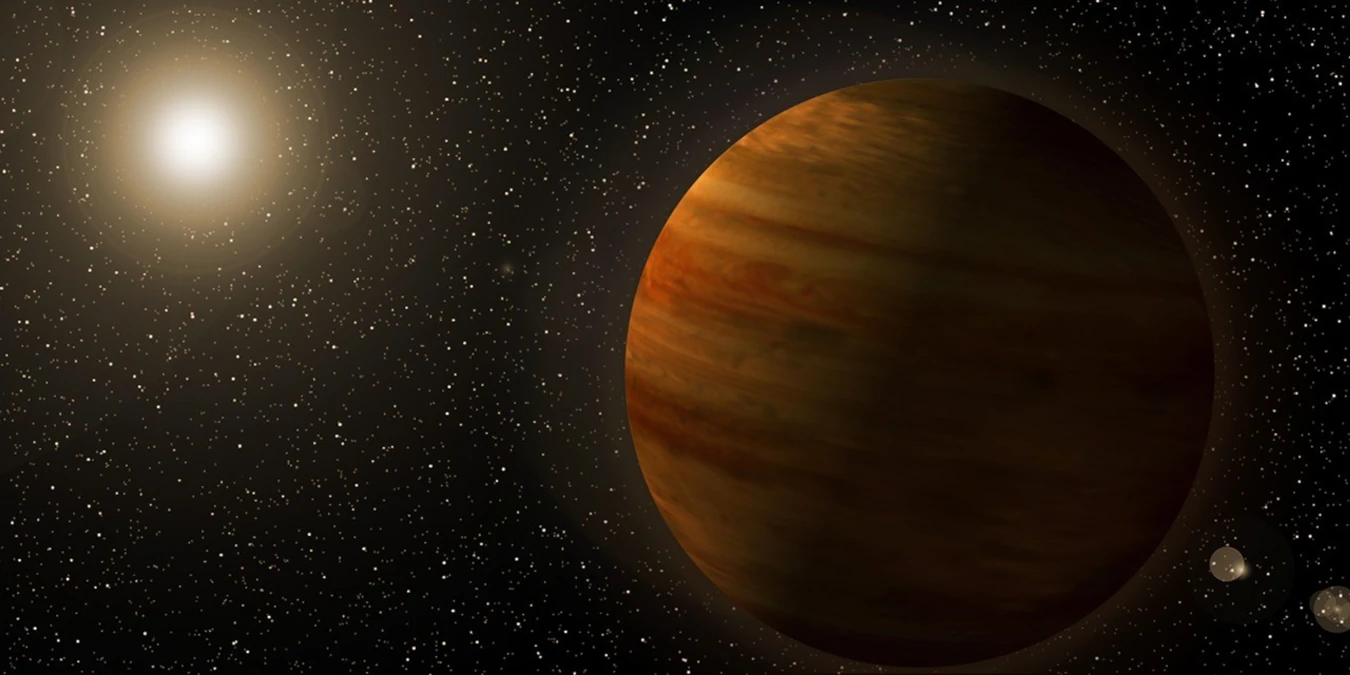
NASA’s Webb Reveals Stars Sparking to Life in Cosmic Celebration
NASA’s James Webb Space Telescope has captured the infrared light of numerous features that previously were impossible to see beyond the thick dust of the FS Tau star system. In addition to myriad background galaxies that burst into view like fireworks for the United States’ 250th anniversary celebrations, this image flickers with a number of protostars, or baby stars that are…
Read More » -
NASA
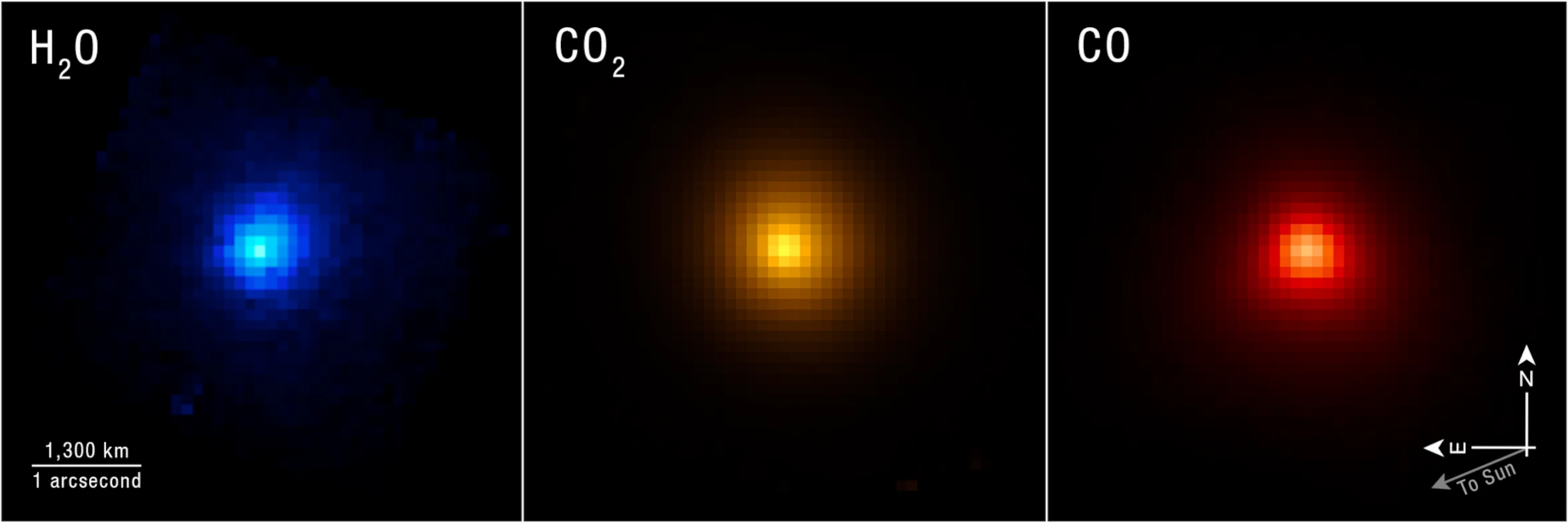
NASA’s Webb Finds Clues to Ancient, Distant Origin of Comet 3I/ATLAS
As interstellar comet 3I/ATLAS began moving away from the Sun in December 2025, astronomers took the opportunity to turn NASA’s powerful James Webb Space Telescope in its direction and capture detailed measurements of its chemical components. The comet was freshly warmed from its closest pass by the Sun, and its ancient ice had been converted to a bright coma of…
Read More » -
NASA
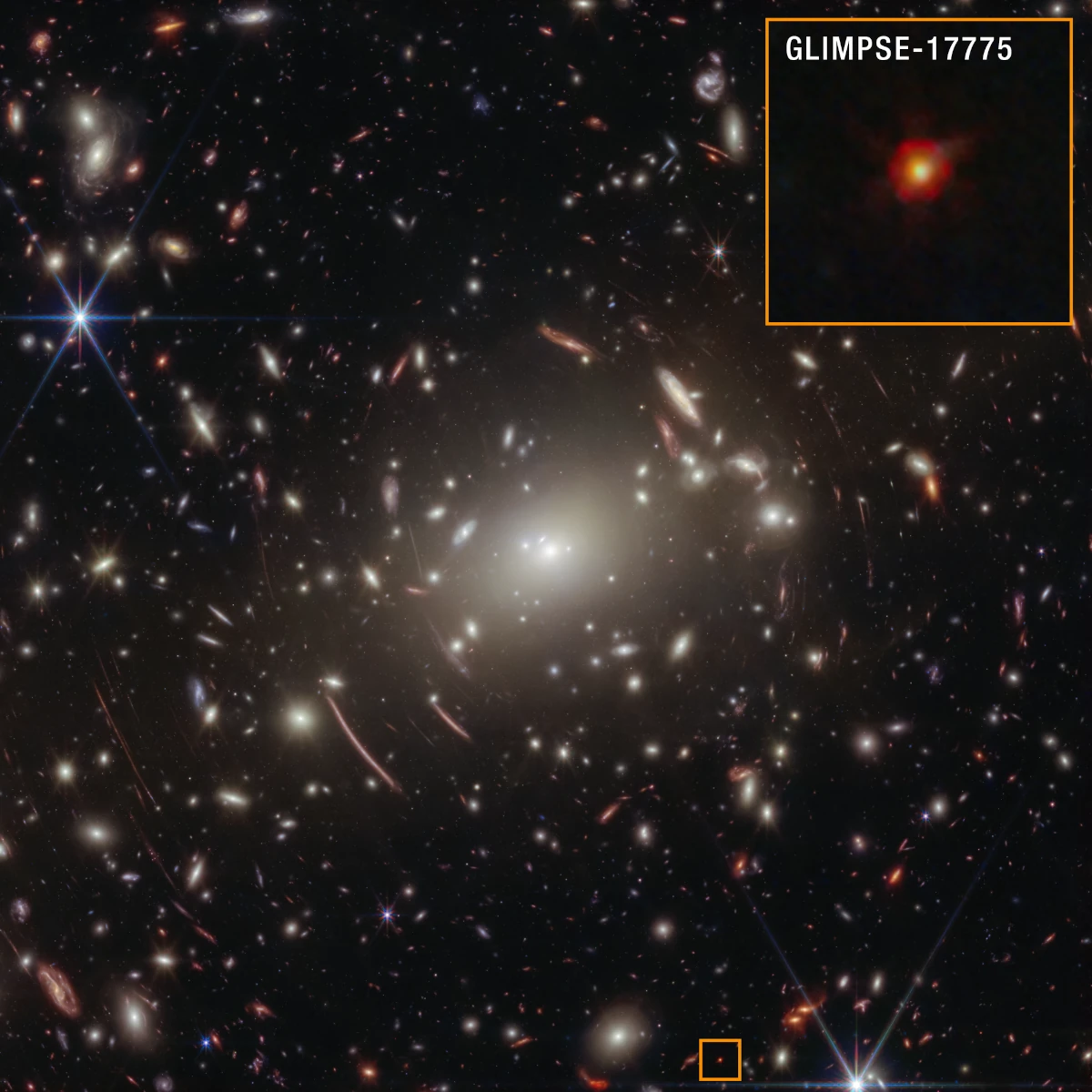
NASA Webb Finds Strongest Evidence Yet for ‘Black Hole Stars’
The complex puzzle known as little red dots has become more complete since their initial discovery by NASA’s James Webb Space Telescope in 2022. Now a particular little red dot’s spectrum is helping connect many of the pieces. A team of astronomers led by Vasily Kokorev at the University of Texas at Austin identified the lucky dot in question: GLIMPSE-17775.…
Read More » -
NASA

Webb Studies Star Clusters
This near-infrared image released on May 6, 2026, shows a section of one of the spiral arms of Messier 51 (M51). M51 is one of four nearby galaxies observed by NASA’s James Webb Space Telescope in a study of nearly 9,000 star clusters. Data from the study shows that more massive star clusters emerge more quickly from the clouds they are born in. Learning…
Read More » -
NASA
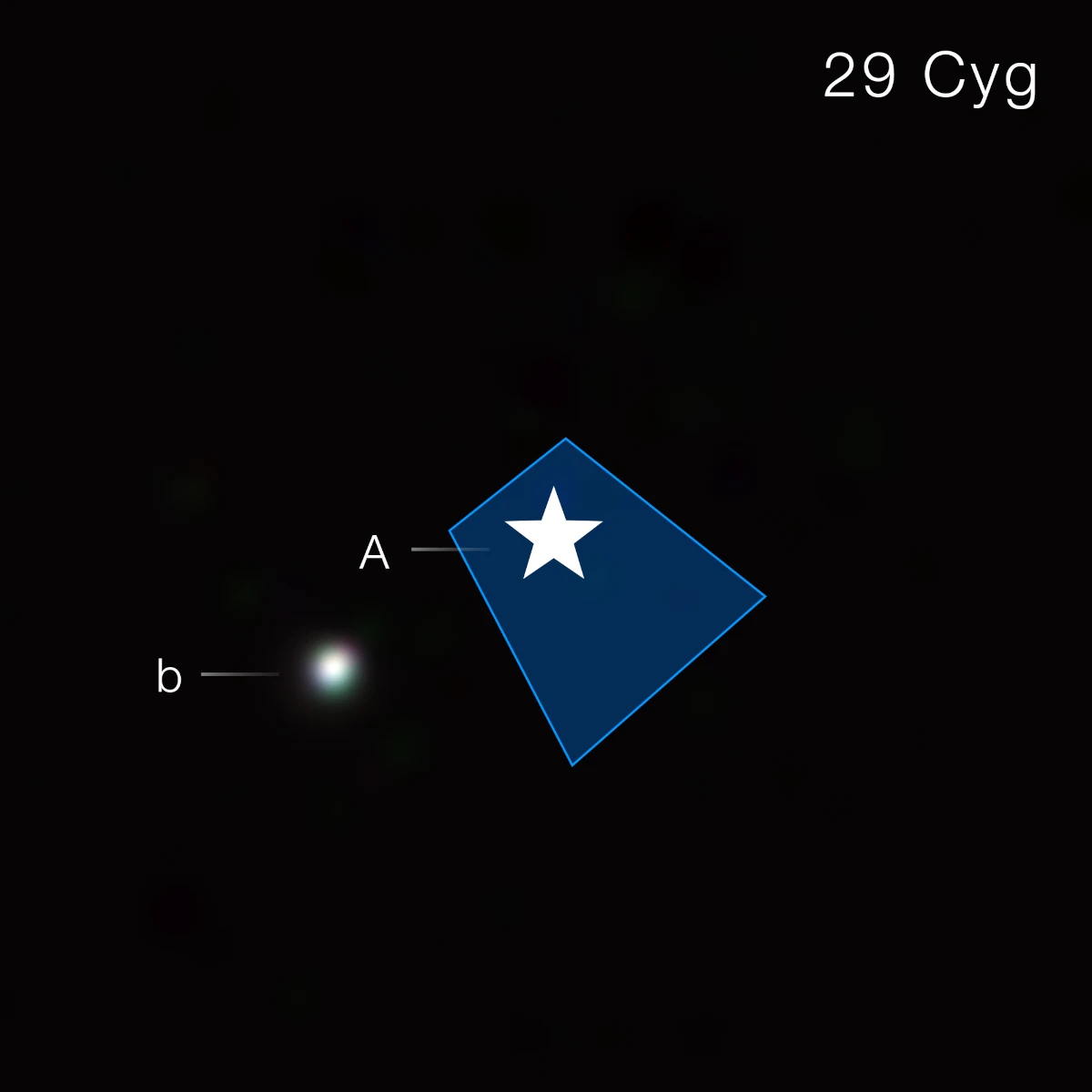
NASA’s Webb Redefines Dividing Line Between Planets, Stars
Planets, like those in our solar system, form in a bottom-up process where small bits of rock and ice clump together and grow larger over time. But the heftier the planet, the harder it is to explain its formation that way. Astronomers used NASA’s James Webb Space Telescope to examine 29 Cygni b, an object about 15 times as massive…
Read More » -
Markets
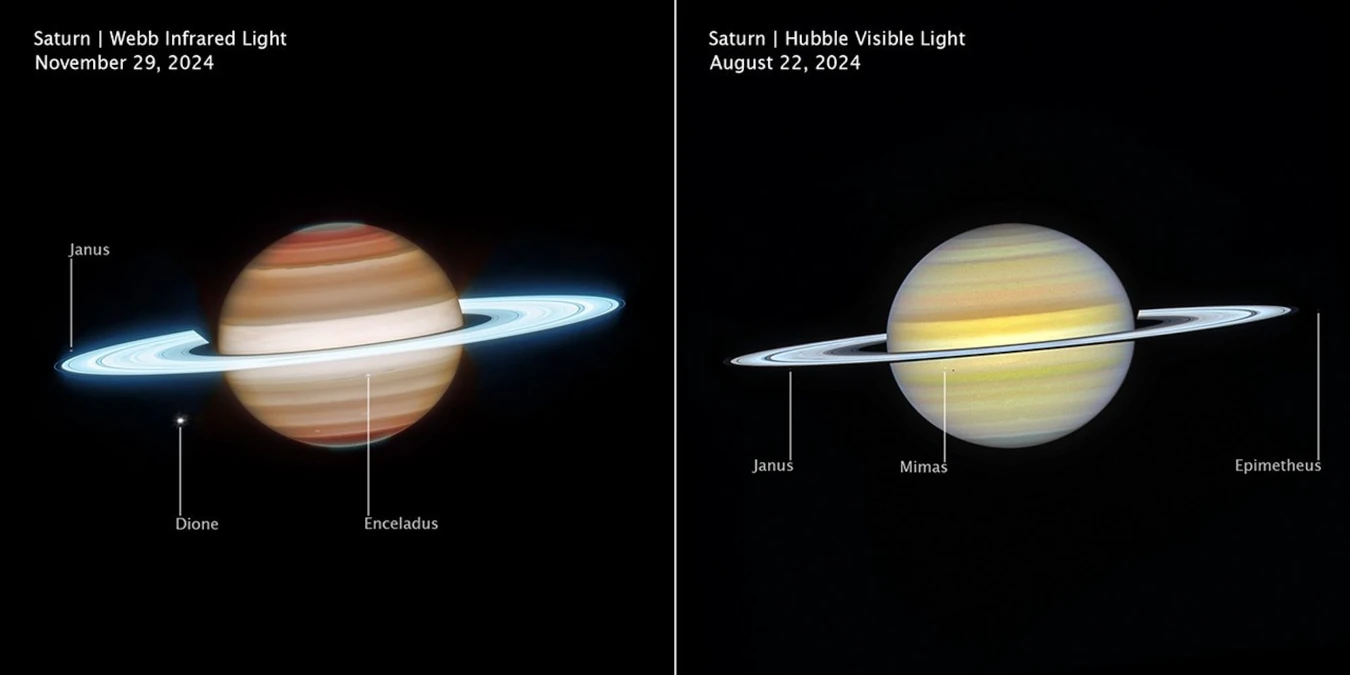
NASA Webb, Hubble Share Most Comprehensive View of Saturn to Date
NASA’s James Webb Space Telescope and Hubble Space Telescope have teamed up to capture new views of Saturn, revealing the planet in strikingly different ways. Observing in complementary wavelengths of light, the two space observatories provide scientists with a richer, more layered understanding of the gas giant’s atmosphere. Both sense sunlight reflected from Saturn’s banded clouds and hazes, but where…
Read More » -
NASA
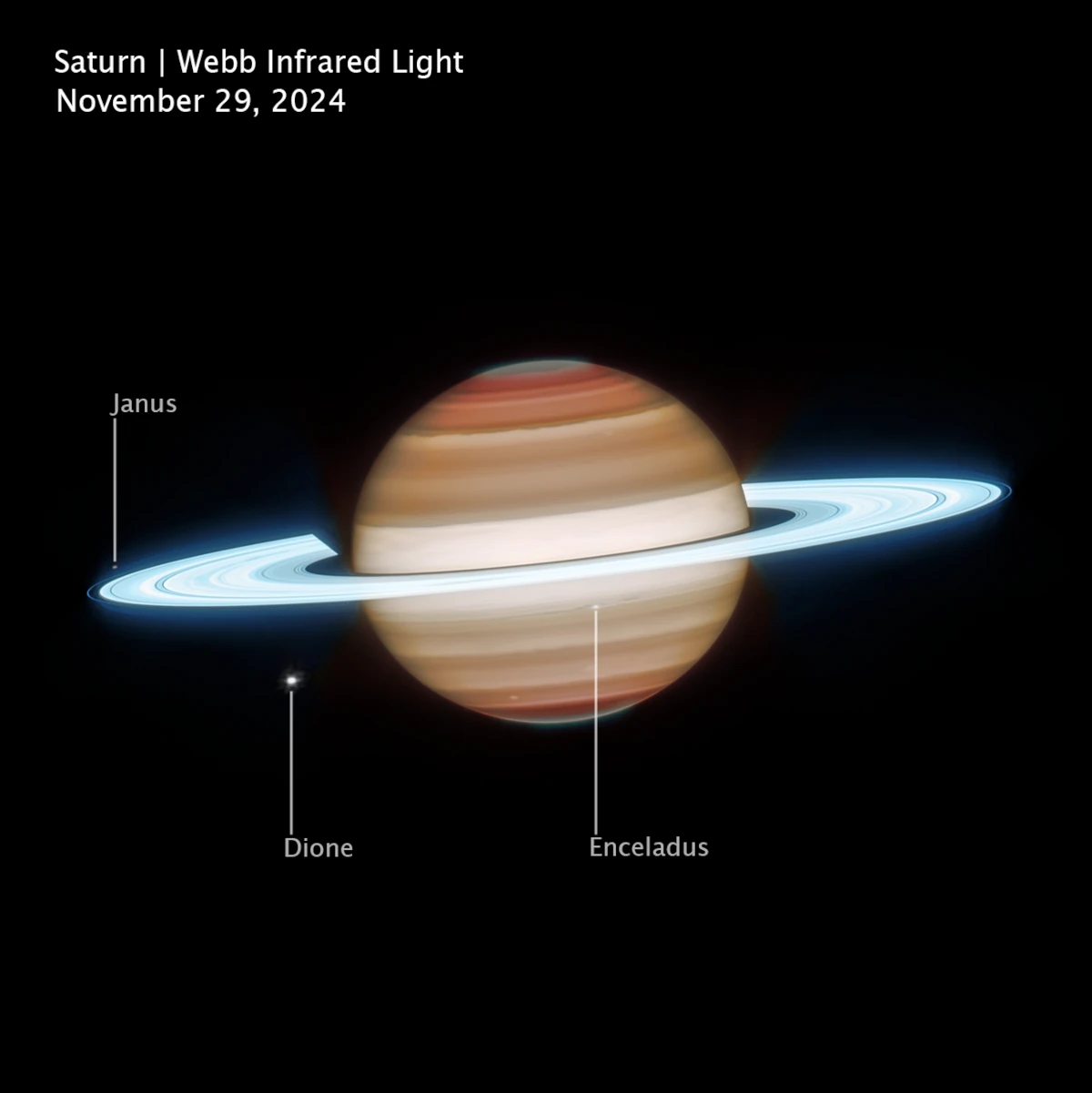
Webb Captures Saturn in Infrared
Saturn’s icy rings glow in this infrared view from NASA’s James Webb Space Telescope released on March 25, 2026. Combining this image with another that NASA’s Hubble Space Telescope captured – also released on the same day – provides scientists with a richer, more layered understanding of the gas giant’s atmosphere. In Webb’s infrared image, the rings are extremely bright because they…
Read More » -
NASA
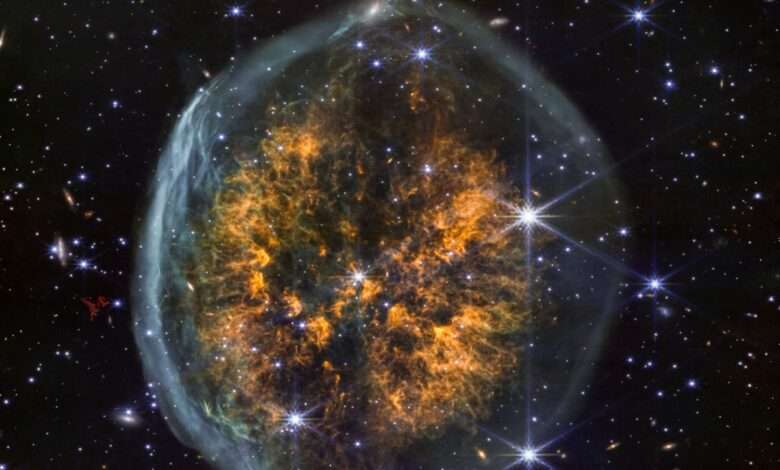
Webb Studies Cranium Nebula
Nebula PMR 1 is a cloud of gas and dust that bears an uncanny resemblance to a brain in a transparent skull, inspiring its nickname, the “Exposed Cranium” nebula. Webb captured its unusual features in both near- and mid-infrared light. The nebula was first revealed in infrared light by a predecessor to Webb, NASA’s now-retired Spitzer Space Telescope, more than a decade…
Read More »