
Webb
-
NASA
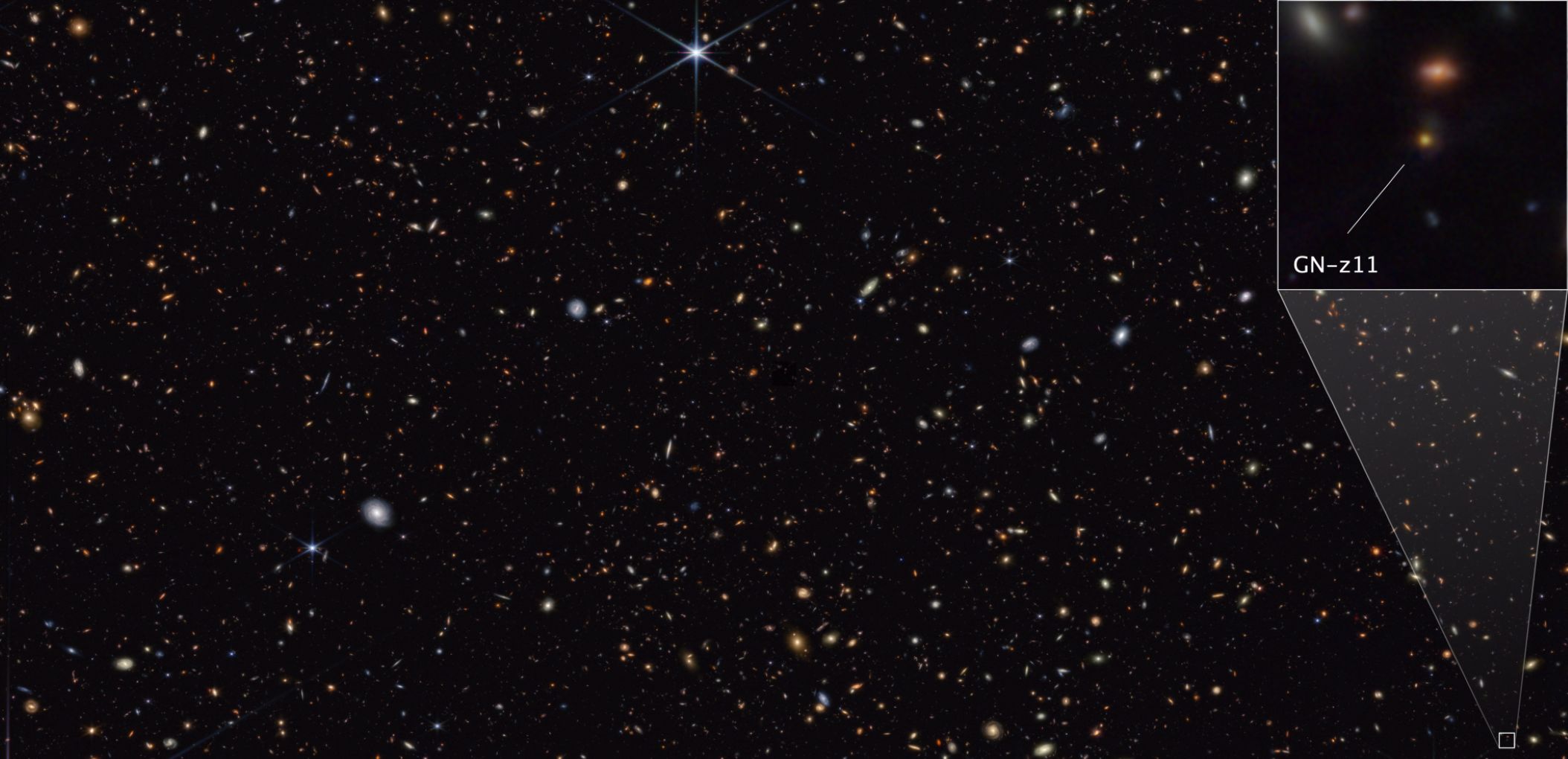
Webb Unlocks Secrets of One of the Most Distant Galaxies Ever Seen
Looking deeply into space and time, two teams using NASA’s James Webb Space Telescope have studied the exceptionally luminous galaxy GN-z11, which existed when our 13.8 billion-year-old universe was only about 430 million years old. Initially detected with NASA’s Hubble Space Telescope, this galaxy — one of the youngest and most distant ever observed — is so bright that it is…
Read More » -
NASA

Webb Finds Evidence for Neutron Star at Heart of Young Supernova Remnant
NASA’s James Webb Space Telescope has found the best evidence yet for emission from a neutron star at the site of a recently observed supernova. The supernova, known as SN 1987A, was a core-collapse supernova, meaning the compacted remains at its core formed either a neutron star or a black hole. Evidence for such a compact object has long been…
Read More » -
NASA

Meet the Infrared Telescopes That Paved the Way for NASA’s Webb
The Webb telescope has opened a new window onto the universe, but it builds on missions going back 40 years, including Spitzer and the Infrared Astronomical Satellite. On Dec. 25, NASA will celebrate the two-year launch anniversary of the James Webb Space Telescope – the largest and most powerful space observatory in history. The clarity of its images has inspired the world,…
Read More » -
NASA
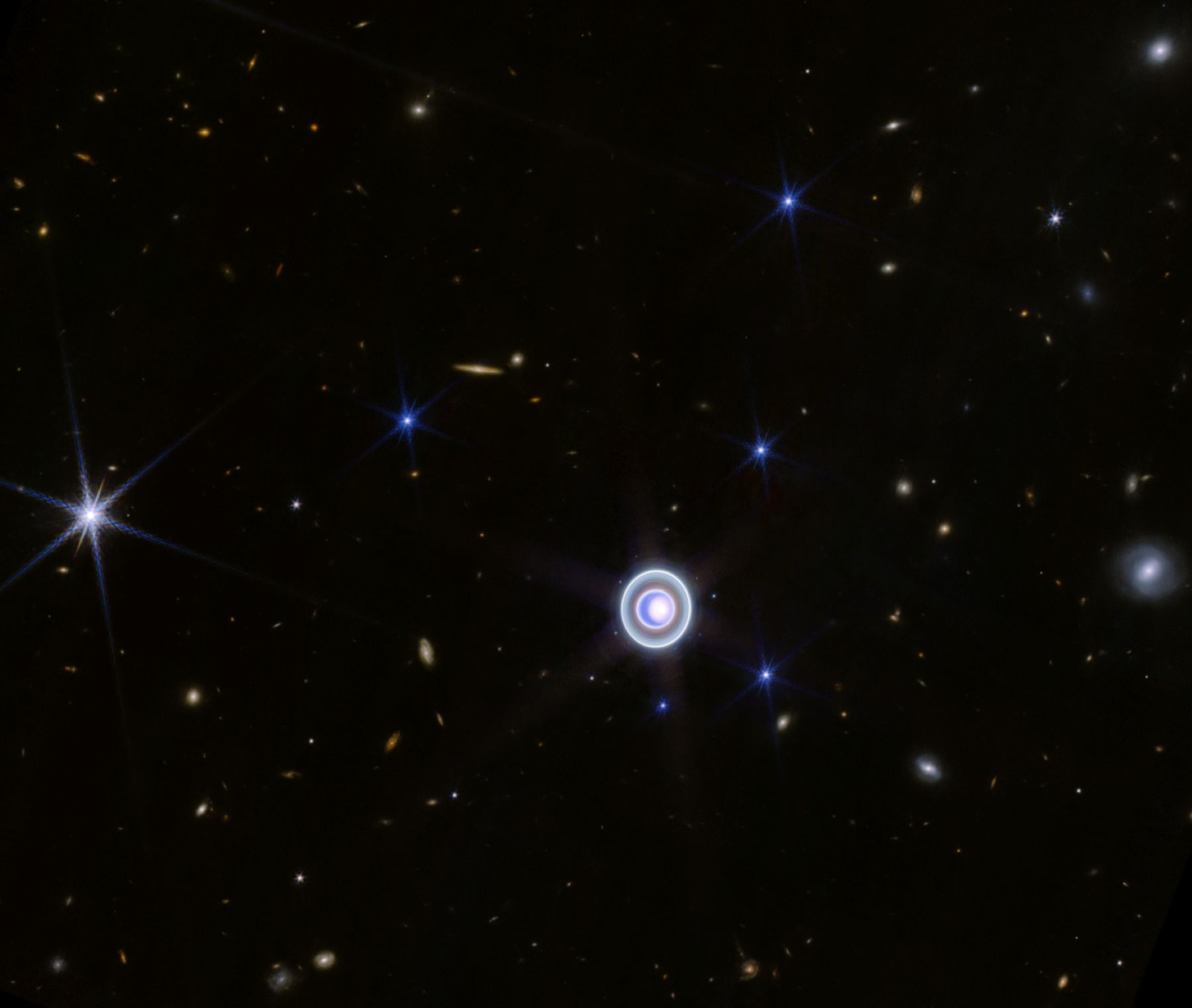
NASA’s Webb Rings in Holidays With Ringed Planet Uranus
NASA’s James Webb Space Telescope recently trained its sights on unusual and enigmatic Uranus, an ice giant that spins on its side. Webb captured this dynamic world with rings, moons, storms, and other atmospheric features – including a seasonal polar cap. The image expands upon a two-color version released earlier this year, adding additional wavelength coverage for a more detailed…
Read More » -
NASA

NASA’s Webb Identifies Tiniest Free-Floating Brown Dwarf
Brown dwarfs are objects that straddle the dividing line between stars and planets. They form like stars, growing dense enough to collapse under their own gravity, but they never become dense and hot enough to begin fusing hydrogen and turn into a star. At the low end of the scale, some brown dwarfs are comparable with giant planets, weighing just…
Read More » -
NASA

Webb Sheds Light on an Exploded Star
Supernova remnant Cassiopeia A (Cas A) shines in a new image from Dec. 10, 2023, from NASA’s James Webb Space Telescope. Webb’s Near-Infrared Camera (NIRCam) view of Cas A displays this stellar explosion at a resolution previously unreachable at these wavelengths, revealing intricate details of the expanding shell of material slamming into the gas shed by the star before it…
Read More » -
NASA
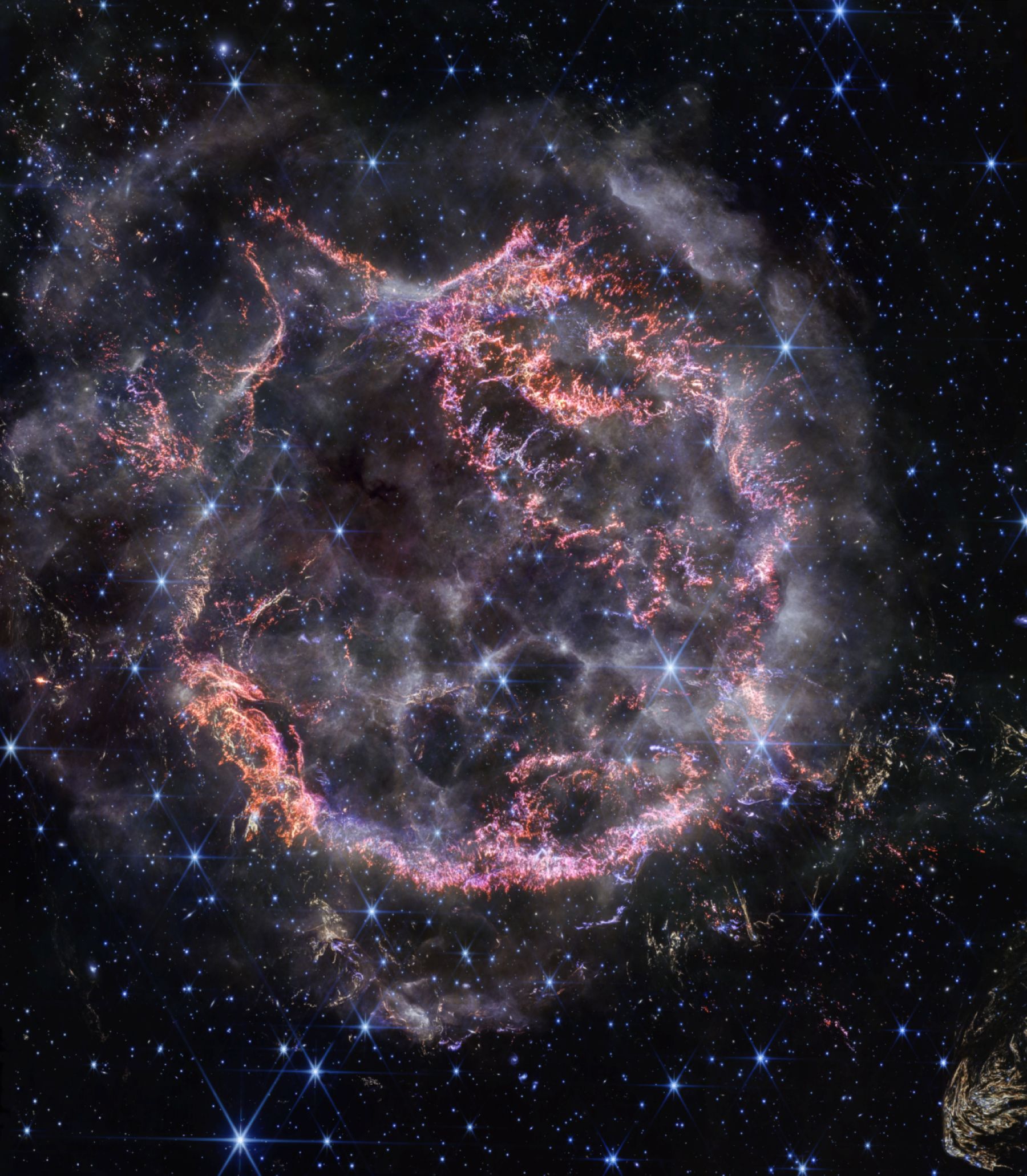
NASA’s Webb Stuns With New High-Definition Look at Exploded Star
Mysterious features hide in near-infrared light Like a shiny, round ornament ready to be placed in the perfect spot on a holiday tree, supernova remnant Cassiopeia A (Cas A) gleams in a new image from NASA’s James Webb Space Telescope. As part of the 2023 Holidays at the White House, First Lady of the United States Dr. Jill Biden debuted the…
Read More » -
NASA
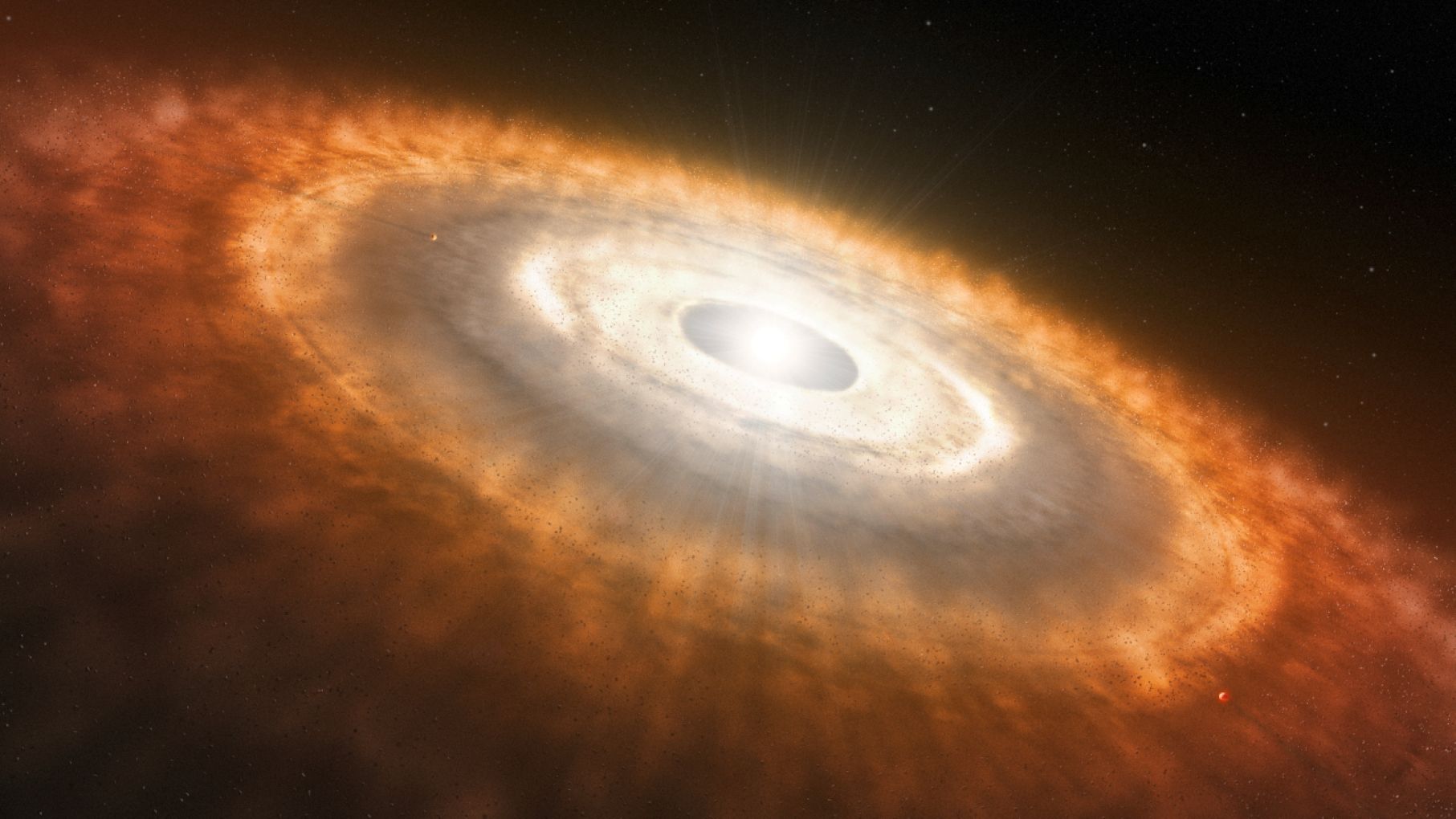
Webb Study Reveals Rocky Planets Can Form in Extreme Environments
An international team of astronomers has used NASA’s James Webb Space Telescope to provide the first observation of water and other molecules in the highly irradiated inner, rocky-planet-forming regions of a disk in one of the most extreme environments in our galaxy. These results suggest that the conditions for terrestrial planet formation can occur in a possible broader range of…
Read More » -
NASA
Webb Follows Neon Signs Toward New Thinking on Planet Formation
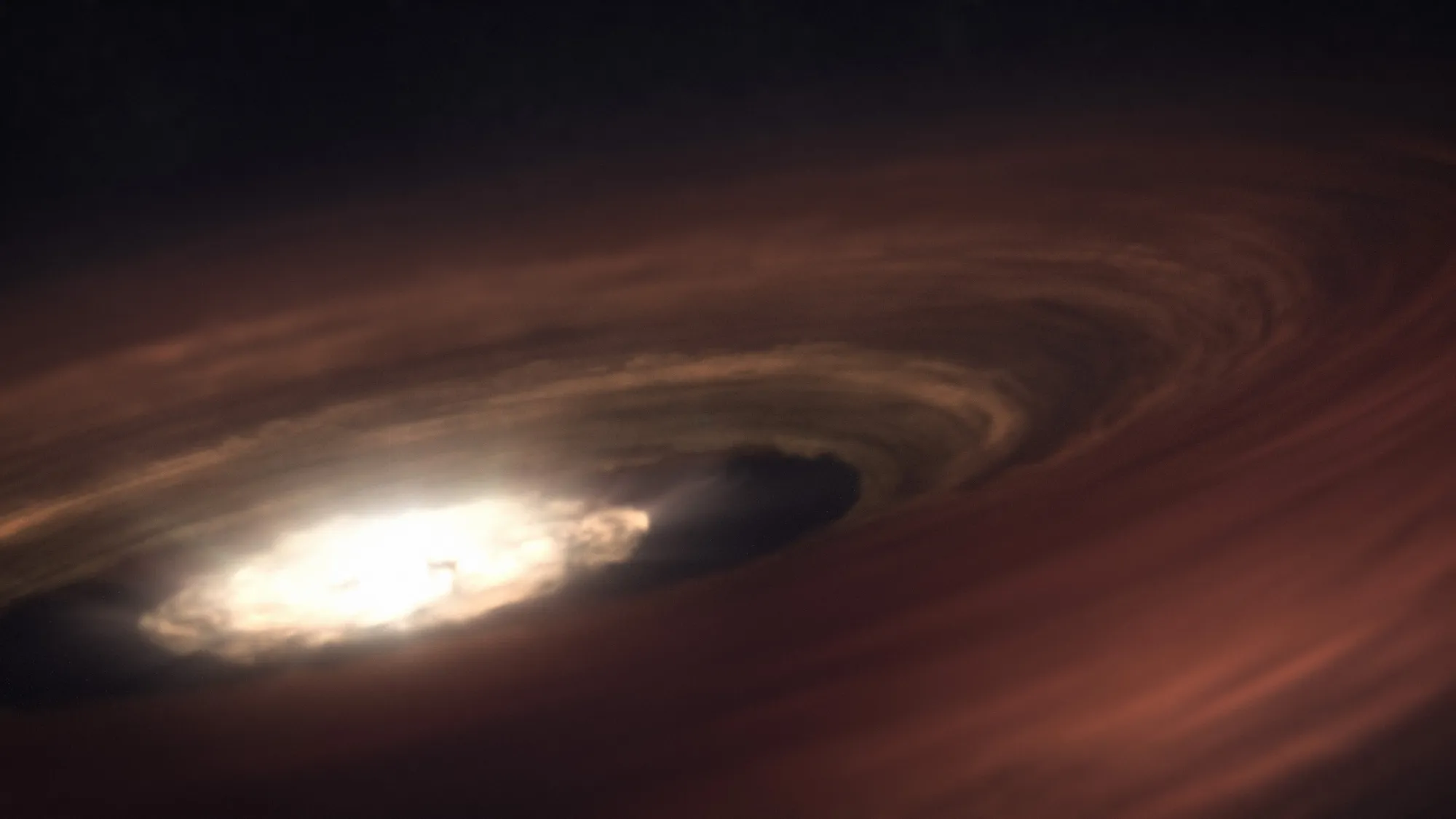
Scientists are following neon signs in a search for clues to one planetary system’s future and the past of another – our own solar system. Following up on a peculiar reading by NASA’s previous infrared flagship observatory, the now-retired Spitzer Space Telescope, the agency’s James Webb Space Telescope detected distinct traces of the element neon in the dusty disk surrounding the young…
Read More » -
Press Releases
NASA’s Webb, Hubble Combine to Create Most Colorful View of Universe
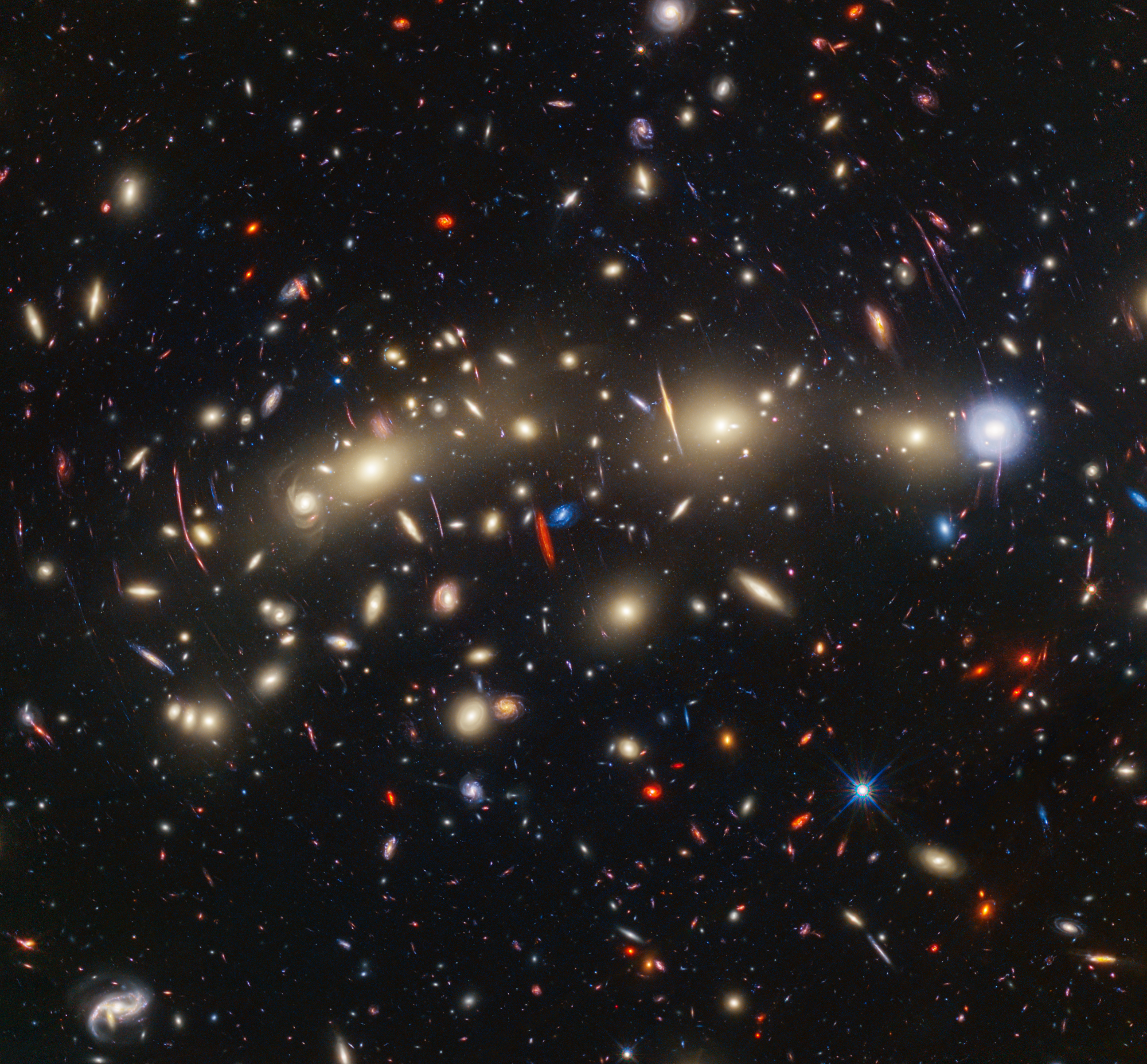
NASA’s James Webb Space Telescope and Hubble Space Telescope have united to study an expansive galaxy cluster known as MACS0416. The resulting panchromatic image combines visible and infrared light to assemble one of the most comprehensive views of the universe ever taken. Located about 4.3 billion light-years from Earth, MACS0416 is a pair of colliding galaxy clusters that will eventually…
Read More »