
Wind Tunnel
-
NASA
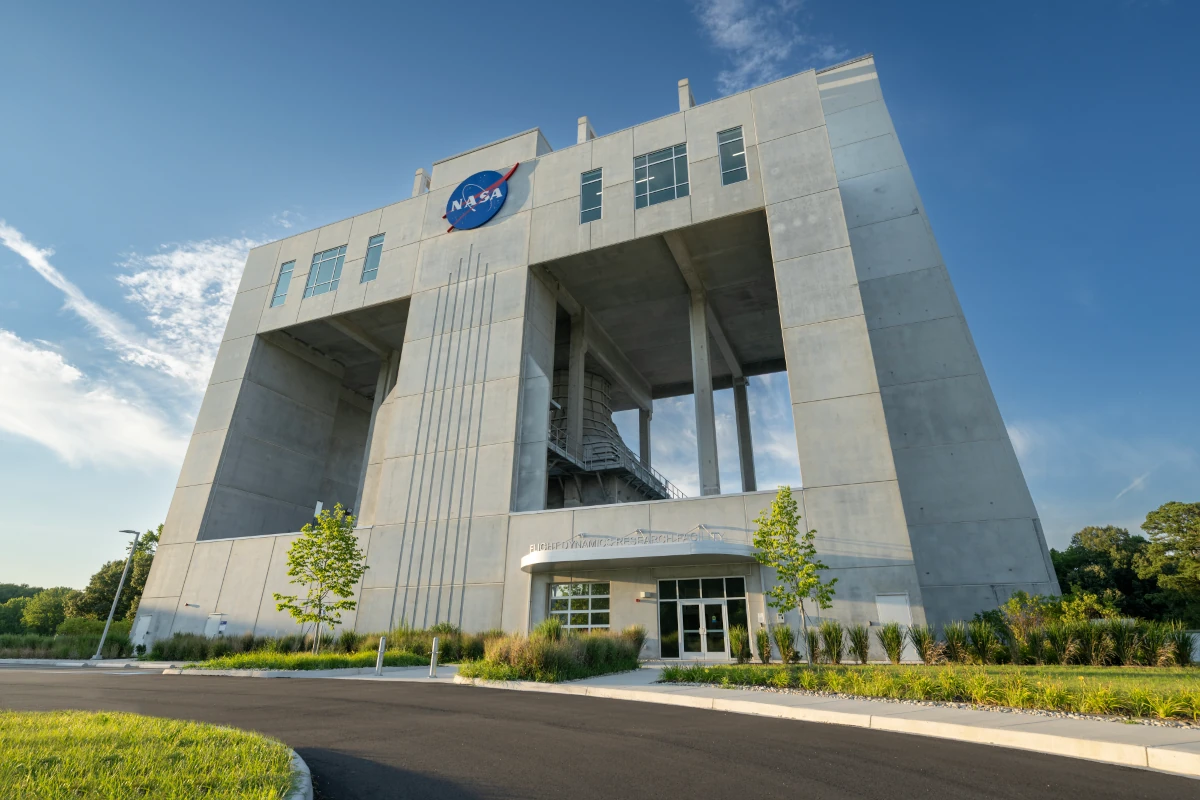
NASA’s Newest Wind Tunnel Opens at NASA Langley
On Friday, July 31, 2026, NASA leadership and Virginia government officials opened NASA’s first major new wind tunnel in more than 40 years, the Flight Dynamics Research Facility at NASA’s Langley Research Center in Hampton, Virginia. The state-of-the-art facility will support research and technology development that will advance the agency’s aeronautics, exploration, and science goals, including establishing a sustained human presence on the lunar…
Read More » -
NASA
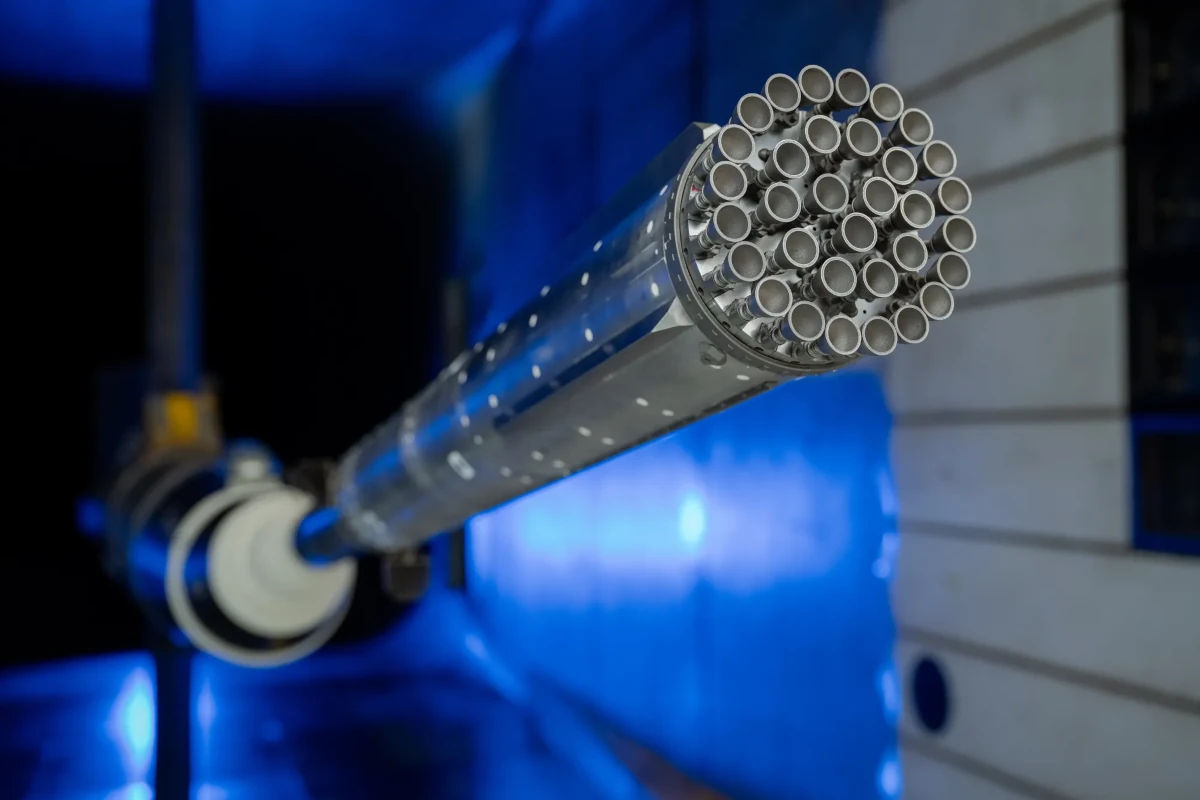
NASA, SpaceX Advance Wind Tunnel Tests for Starship Rocket
NASA and its industry partners are preparing for next year’s Artemis III demonstration mission by completing new wind tunnel tests on SpaceX’s Super Heavy Version 3 rocket booster. The tests, conducted at NASA’s Ames Research Center in California’s Silicon Valley, focused on better understanding the extreme aerodynamic forces the rocket can experience during re-entry. The recent test series builds on previous…
Read More » -
NASA
NASA to Showcase Agency’s Newest Wind Tunnel in Virginia
Media are invited to NASA’s Langley Research Center in Hampton, Virginia, on Friday, July 31, to attend a media tour and ribbon-cutting ceremony for the Flight Dynamics Research Facility, the agency’s first new wind tunnel in more than 40 years. The event will include a brief media availability with: NASA Administrator Jared Isaacman Dr. Trina Dyal, center director, NASA Langley…
Read More » -
NASA
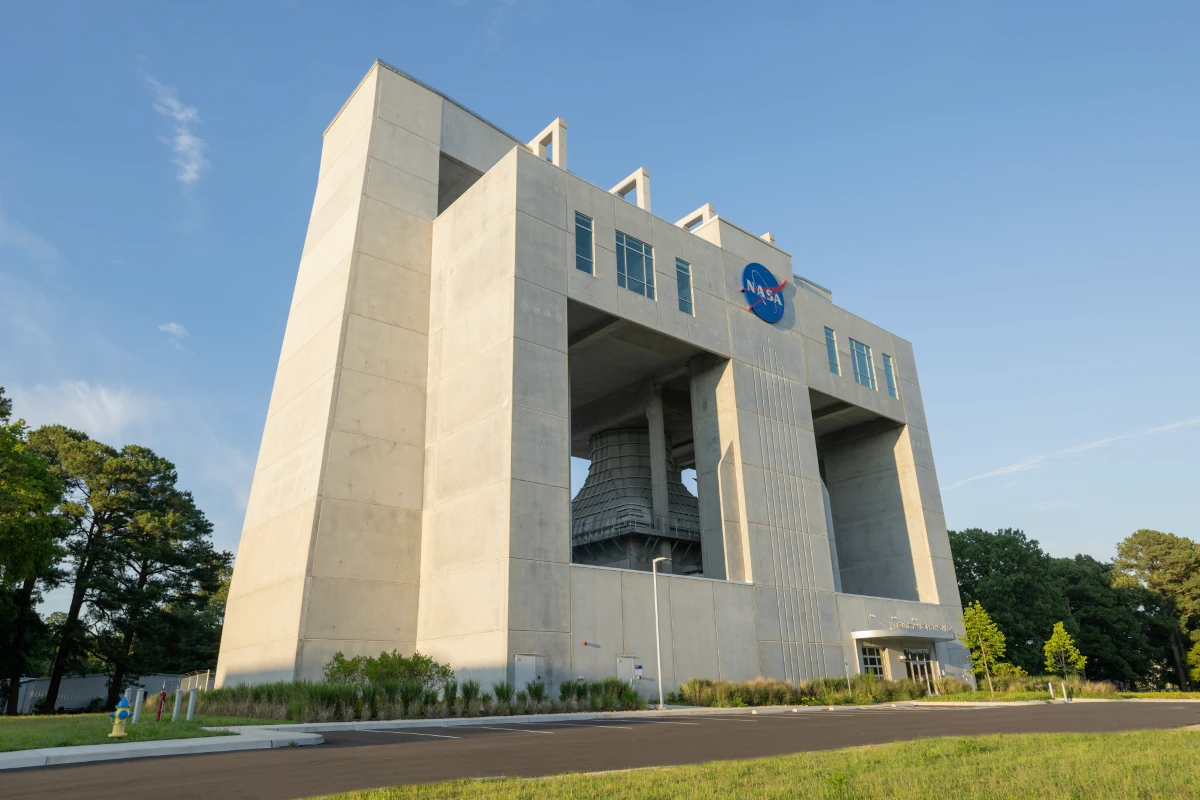
NASA’s Newest Wind Tunnel Builds on Legacy of Innovation
For more than 100 years, wind tunnels at NASA’s Langley Research Center in Hampton, Virginia, have helped shape the future of flight. Now, two of NASA’s longest-serving facilities — the 12-Foot Low-Speed Tunnel and the 20-Foot Vertical Spin Tunnel — will pass the torch to the Flight Dynamics Research Facility (FDRF), the first major NASA wind tunnel built in more than 40 years. https://youtube.com/watch?v=YzyW5vuM45o%3Ffeature%3Doembed%26enablejsapi%3D1%26origin%3Dhttps%253A%252F%252Fwww.nasa.gov “The FDRF has a combination of…
Read More » -
NASA

From Supercomputers to Wind Tunnels: NASA’s Road to Artemis II
By Jill Dunbar Of the many roads leading to successful Artemis missions, one is paved with high-tech computing chips called superchips. Along the way, a partnership between NASA wind tunnel engineers, data visualization scientists, and software developers verified a quick, cost-effective solution to improve NASA’s SLS (Space Launch System) rocket for the upcoming Artemis II mission. This will be the…
Read More » -
NASA
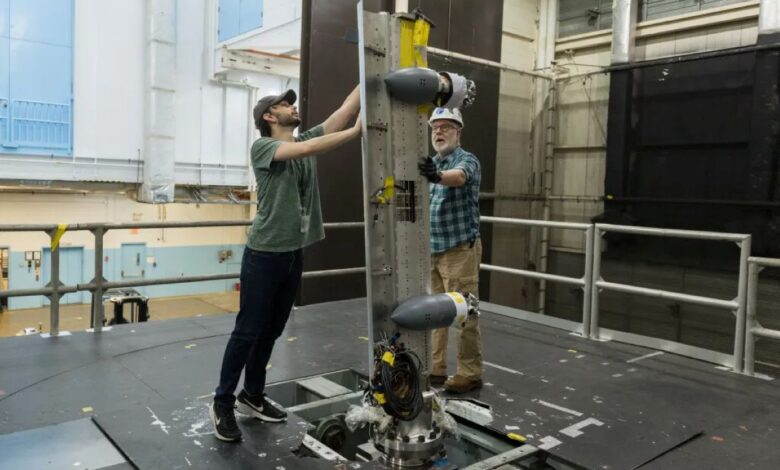
NASA Uses Wind Tunnel to Test Advanced Air Mobility Aircraft Wing
The advanced air mobility industry is currently working to produce novel aircraft ranging from air taxis to autonomous cargo drones, and all of those designs will require extensive testing – which is why NASA is working to give them a head-start by studying a special kind of model wing. The wing is a scale model of a design used in…
Read More » -
NASA
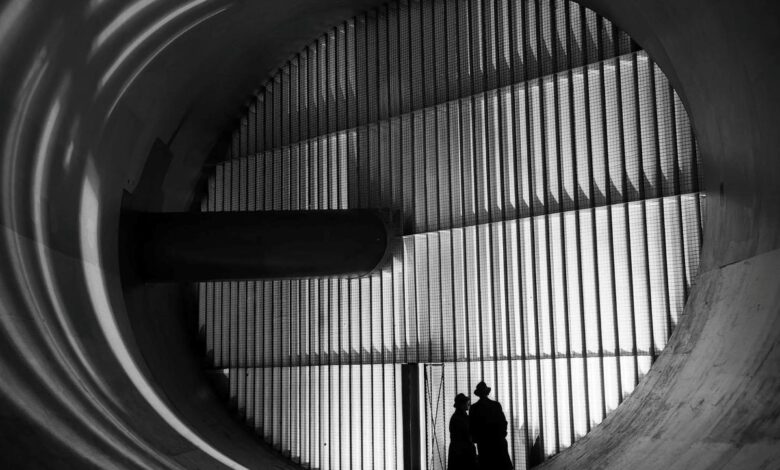
Turning Vanes inside the Altitude Wind Tunnel
Men stand in front of turning vanes inside the Altitude Wind Tunnel (AWT) at the National Advisory Committee for Aeronautics Aircraft Engine Research Laboratory in this February 1944 publicity photo. The photo was taken just weeks after the tunnel became operational. The AWT was the only wind tunnel capable of testing full-size aircraft engines in simulated altitude conditions. A large wooden drive…
Read More » -
NASA
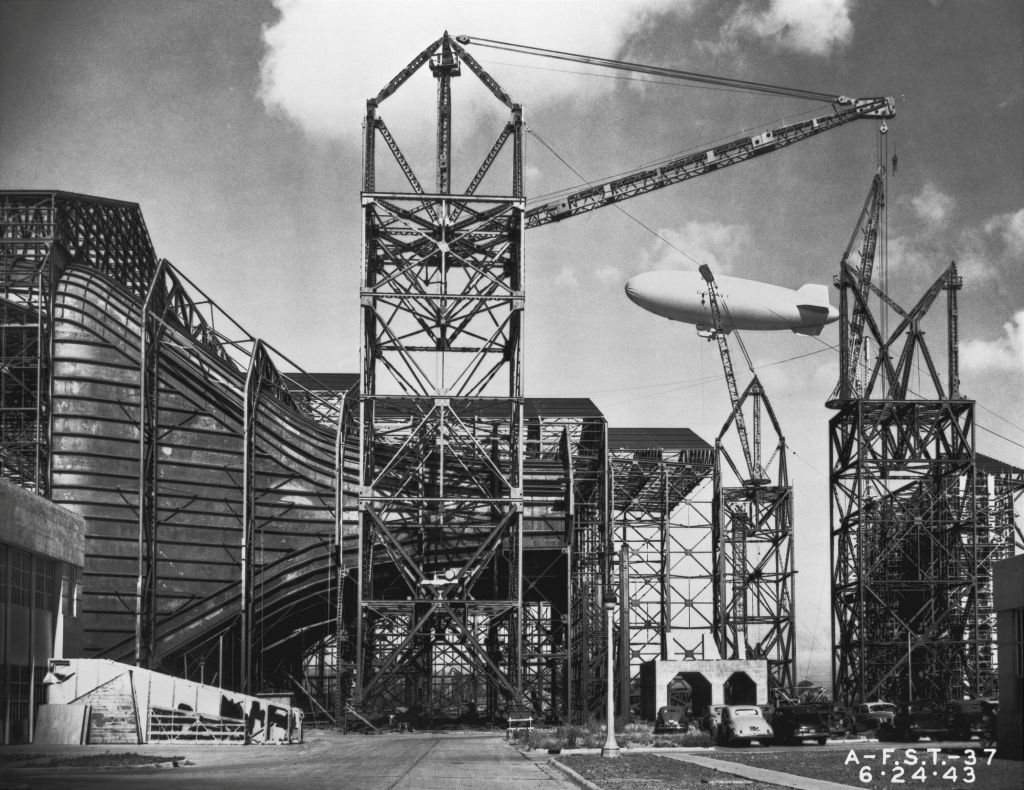
Ames Wind Tunnel
Construction of the Ames wind tunnel and its original 40- by 80-foot test section. A later expansion created an additional 80- by 120-foot test section. A Navy blimp, which would have been based at Hangars 2 and 3 at Moffett Field, patrols in the background. Image Credit: NACA
Read More » -
NASA
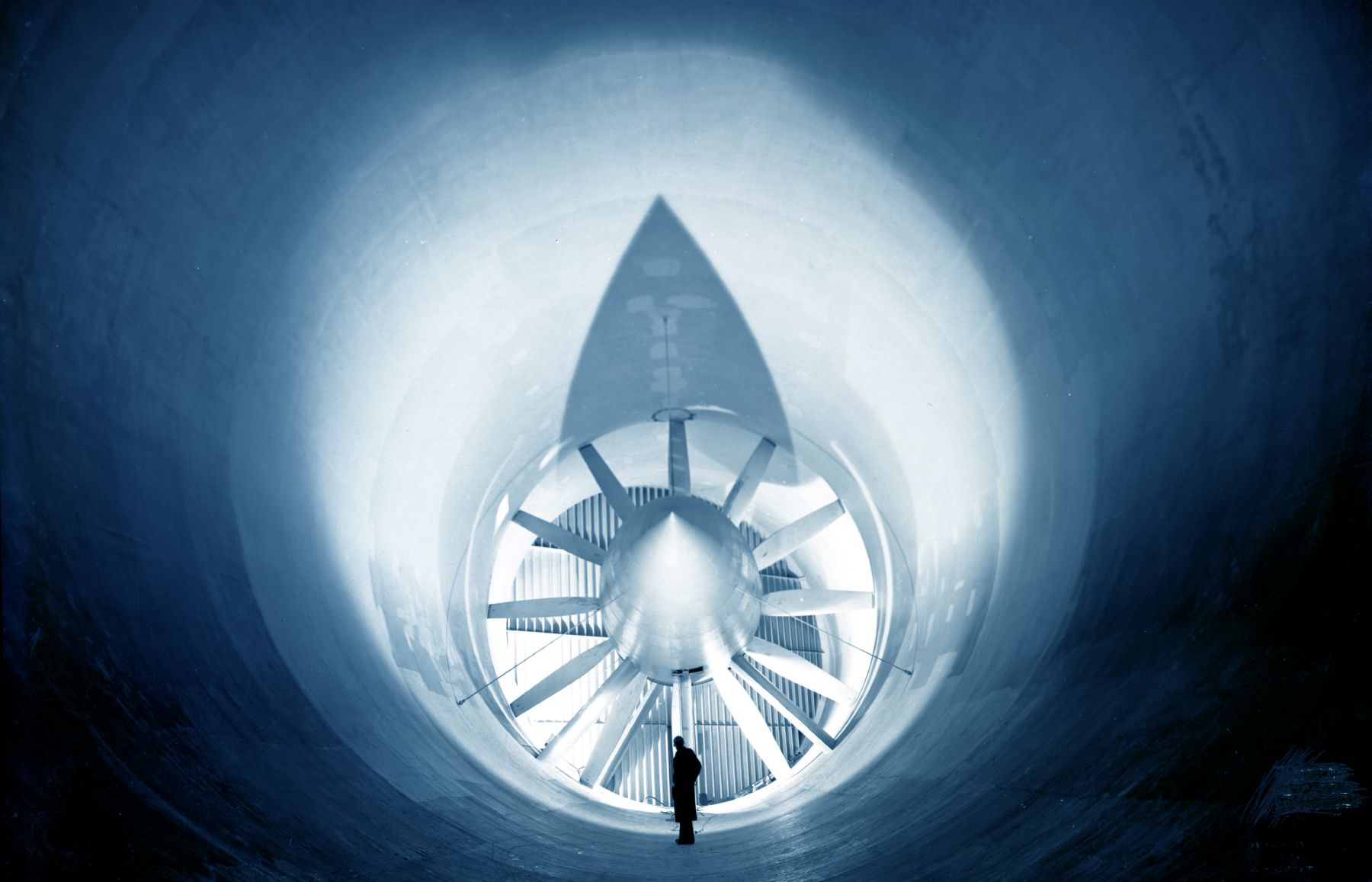
Inventor of Air Conditioning Helped Chill NASA Wind Tunnels
Global tensions were high in the fall of 1941 as U-boats harassed ships in the Atlantic and German forces pushed deep into the Soviet Union. There was a critical need for the United States to get the National Advisory Committee for Aeronautics (NACA)’s new engine laboratory (today, NASA’s Glenn Research Center) in operation as soon as possible. It was especially…
Read More »