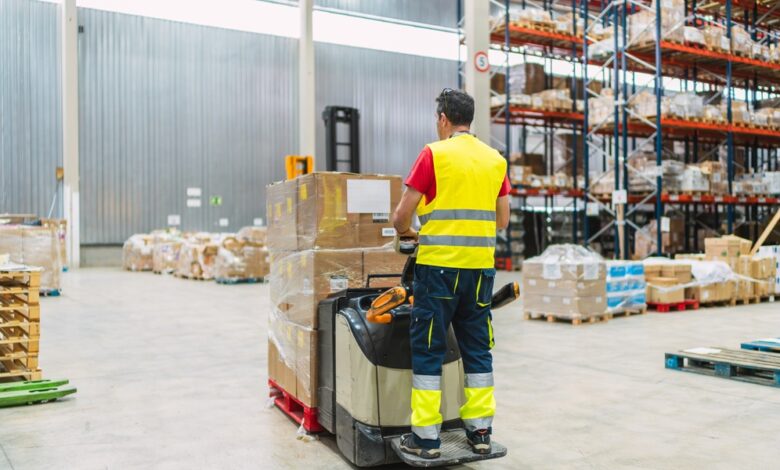
Equipment and workplace inspections are vital to protect your warehouse staff. Routine maintenance will help you find any damaged parts on your equipment and replace them if necessary. To reassess the safety of your warehouse, determine if these injury-prone areas and machinery are up to code.
Forklifts
Forklifts are convenient vehicles used for transporting products, but they can also pose risks if not maintained properly. To keep your warehouse safe, you must evaluate the safety of your machinery during routine inspections. Inspect brakes, tires, and hydraulic systems regularly to avoid malfunctions.
Operator error or machine failure can result in serious accidents that harm both workers and equipment. Before using the forklift, require operators to conduct daily checks. If they notice signs of disrepair, they should label the machine as “out of order” and schedule maintenance.
Conveyor Systems
A clogged or damaged conveyor system can cause injuries to operators in your warehouse. As you check for damage, focus on belts, bearings, and motor systems. Keep the area around your conveyors free of clutter to prevent items from jamming the mechanism.
Racking Systems
Racking systems carry heavy loads, which makes them susceptible to broken parts or cracks. Ensure racks are stable and free of structural damage like bending, rust, or loose components.
To avoid further wear and tear, set weight limits on your racking systems. Overloading racks increases the risk of collapse, so reassess this warehouse area for safety.
Loading Docks
Loading docks are high-traffic zones where accidents can occur. Heavy foot traffic and tall stacks of products could lead to dangerous conditions if the equipment is not up to code.
Assess dock plates and barriers for wear, and replace damaged components immediately. Properly maintained equipment can prevent common hazards like slips, trips, and falls during loading and unloading operations.
Emergency Equipment
Emergency equipment like fire extinguishers, alarms, and eyewash stations must always be functional. Conduct monthly checks to guarantee that emergency resources are accessible during unexpected situations. Test the alarms, and verify that all employees are trained in emergency procedures.
Depending on the type of equipment you manage, you may need to inspect your workplace more often to find signs of wear and tear. Set reminders, and schedule routine maintenance inspections to keep your staff safe. With a well-operated facility, you’ll be able to mitigate workplace injury and boost productivity.
About The Author