




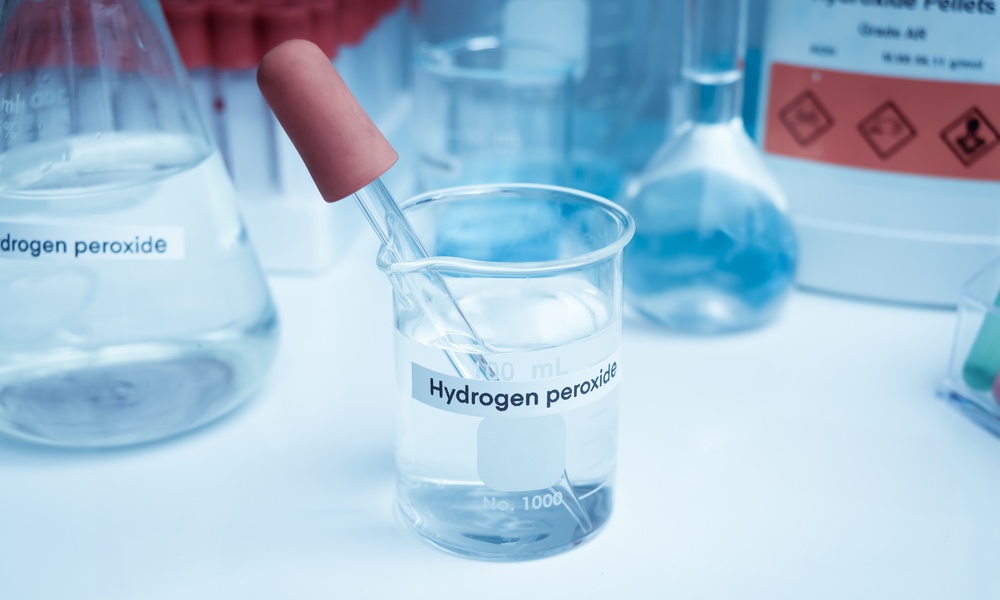
Hydrogen peroxide has been a valuable compound in healthcare for decades. Its chemical properties make it highly effective as a disinfectant and oxidizer. While it’s great for cleaning wounds, hydrogen peroxide offers a range of surprising applications that help improve hygiene and patient care in healthcare settings. Here are four unique ways the healthcare industry utilizes hydrogen peroxide that you might not know.
1. Wound Disinfection
One of the most well-known uses of hydrogen peroxide is cleaning wounds. Its bubbling action occurs as it interacts with enzymes in the skin, breaking down dead tissue and flushing away dirt or contaminants. This reaction kills bacteria and reduces the risk of infections. Hydrogen peroxide disinfection decreases pathogens, critical in preventing complications during the healing process. While it’s excellent for minor cuts and scrapes, many medical professionals caution against overusing it for deep wounds to prevent tissue irritation.
2. Sterilizing Medical Equipment
Hospitals and clinics rely heavily on hydrogen peroxide when sterilizing medical tools and surfaces. Its ability to eliminate bacteria, fungi, and viruses makes it ideal for disinfection in high-touch equipment like surgical instruments, endoscopes, and hospital furniture. Vaporized hydrogen peroxide (VHP) systems are a game-changer for large-scale sterilization. They effectively sanitize entire rooms, including hard-to-reach areas, minimizing the risk of healthcare-associated infections. The efficiency of hydrogen peroxide in sterilizing tools helps maintain the highest standards of cleanliness in medical environments.
3. Oral Hygiene
Hydrogen peroxide has earned its place in oral care thanks to its antibacterial and whitening properties. Dentists often recommend diluted solutions as a mouth rinse to manage gum disease, reduce inflammation, and clean minor mouth sores. It’s also a common ingredient in teeth-whitening products, as it breaks down stains and brightens enamel without being overly abrasive. Hydrogen peroxide in oral hygiene supports healthier gums and fresher breath, making it an essential tool in dental care.
4. Treating Skin Conditions
Dermatologists have found several applications for hydrogen peroxide in managing certain skin conditions. It can treat acne, as its antibacterial properties kill acne-causing bacteria while helping to dry out blemishes. Additionally, low-concentration hydrogen peroxide solutions can help promote healing in certain fungal infections or skin ulcers. However, healthcare professionals emphasize the importance of proper dilution to avoid skin irritation or burns.
Hydrogen peroxide is far more versatile in the healthcare industry than its traditional uses might suggest. From wound care to sterilizing equipment and supporting oral health, it remains one of the most adaptable compounds in the healthcare industry. Whether you’re a healthcare professional or someone who values effective disinfection methods, hydrogen peroxide continues to prove its place as a powerful asset.
About The Author

Got a Questions?
Find us on Socials or Contact us and we’ll get back to you as soon as possible.