Mars

  • NASA

    Curiosity Blog, Sols 4982–4987: Back to Our Regularly Scheduled Programming

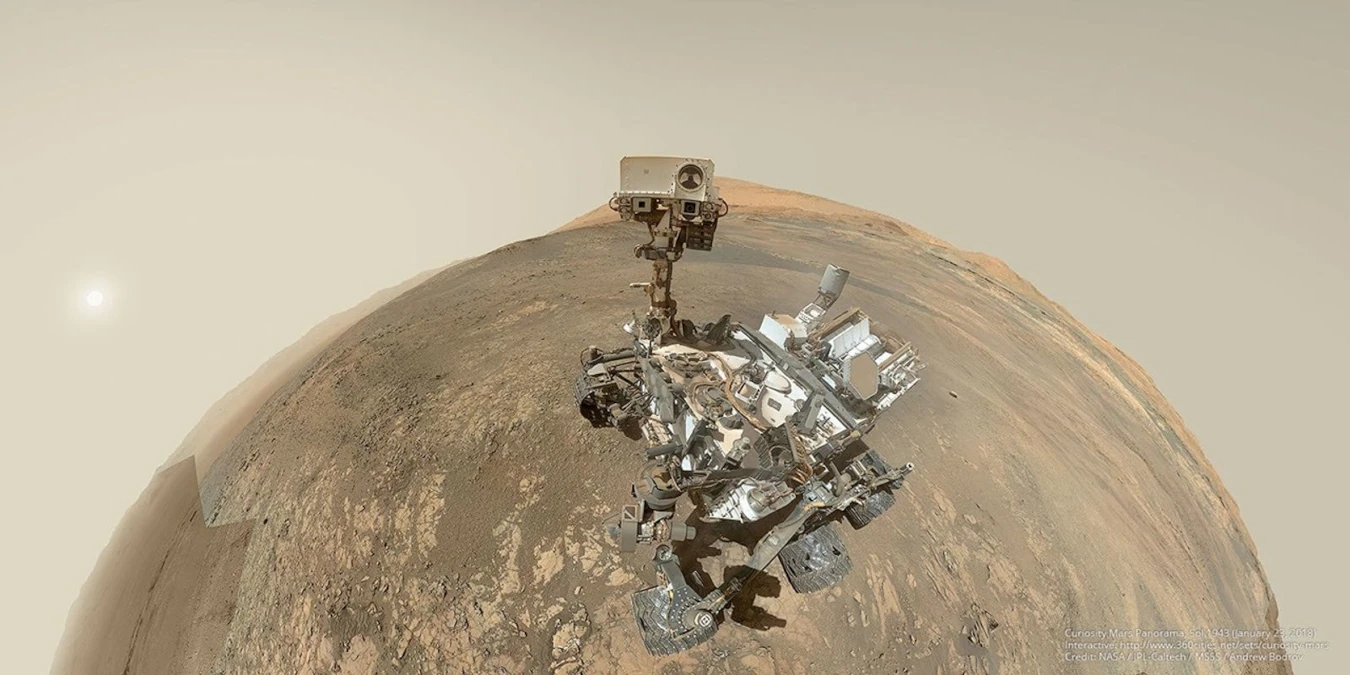
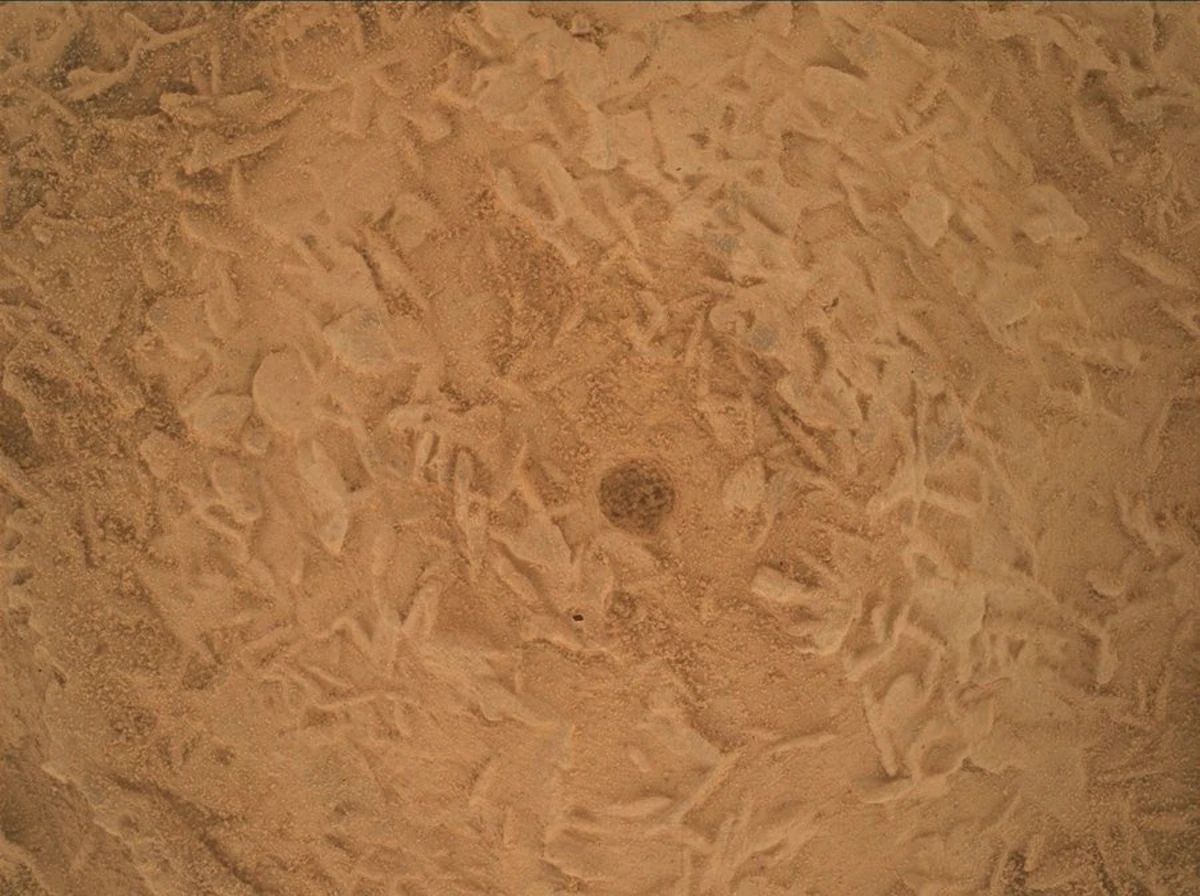
    By Allison Dries-Padilla, Missions Operations Specialist at Malin Space Science Systems Earth planning date: Friday, Aug. 14, 2026 This week of Curiosity Mars rover operations takes us back to our “regularly scheduled programming.” After taking a slight detour to investigate the “erosional surface” we are back on course to ascend Mount Sharp. As we transition into fall in Gale Crater,…

    Read More »
  • NASA

    Curiosity Blog, Sols 4975-4981: Happy 14th Landing Anniversary

    By Susanne P. Schwenzer, Professor of Planetary Mineralogy at The Open University, UK Earth planning date: Friday, Aug. 7, 2026 This week was very special for the Curiosity team here on Earth as we celebrated the 14th landing anniversary. I still remember watching the buildup to the entry phase on “Eyes on the Solar System” and then I don’t remember…

    Read More »
  • NASA

    I Am Artemis: Tom Percy

    As NASA sets its sights on long-term exploration of the Moon and Mars, the agency is increasing the cadence of its Artemis missions. Helping bring these plans to fruition is Tom Percy, manager of systems engineering and integration for NASA’s Human Landing System Program. Tom Percy, manager of systems engineering and integration for NASA’s Human Landing Systems Program, stands in front of…

    Read More »
  • NASA

    NASA’s Perseverance Captures Phobos and Earth

    Description This composite of seven images from the Mastcam-Z instrument aboard NASA’s Perseverance Mars rover shows Earth, visible as a small bright dot moving from upper left to lower right, passing behind the Martian moon Phobos on July 2, 2026, 1,907th Martian day, or sol, of the mission. The black background is the result of image processing that removed extraneous…

    Read More »
  • NASA

    NASA’s Perseverance Rover Watches Earth Vanish Behind Martian Moon

    Earth and the Martian moon Phobos dance together in a series of images recently acquired by NASA’s Perseverance Mars rover. Earth appears as a point of light in the Martian sky, disappearing behind the crescent of Phobos, the larger of Mars’ two moons. This is the first time humanity has captured from the surface of another planet an observation of…

    Read More »
  • NASA

    Curiosity Blog, Sols 4961-4967: Approaching a Break in the Rock Record?

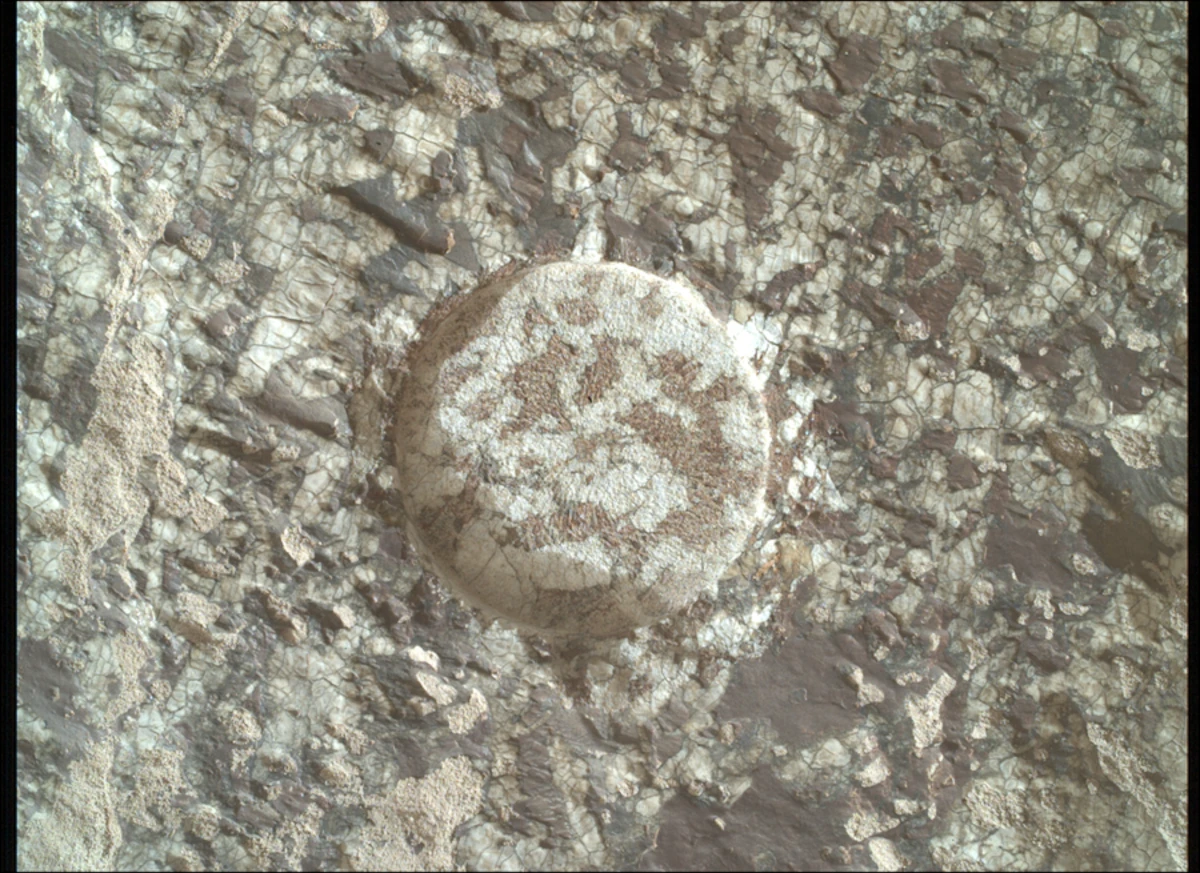
    Written by Abigail Fraeman, Deputy Project Scientist, Jet Propulsion Laboratory, California Institute of Technology Earth planning date: Friday, July 24, 2026 Curiosity spent the week continuing to climb her way up through the layers of Mount Sharp, exploring the sedimentary rock strip chart of Martian history. The rover has reached a layer where the science team had spotted a possible…

    Read More »
  • NASA

    NASA’s Curiosity Discovers a Field of Martian Polygons

    Description NASA’s Curiosity Mars rover captured this 360-degree view of an expanse of terrain covered in surface features called polygons on June 19 and 20, 2026, the 4,930th and 4,931st Martian days, or sols, of the mission. The rover has found polygons several times in the past, but never so many in one place. Across the center of this image,…

    Read More »
  • NASA

    Understanding How Martian Auroras Are Made

    This July 23, 2026, illustration depicts charged particles from a solar storm stripping away charged particles of Mars’ atmosphere, one of the processes of Martian atmosphere loss studied by NASA’s MAVEN (Mars Atmosphere and Volatile Evolution) mission. NASA MAVEN mission scientists have found that certain types of auroras on Mars form in a similar way to Earth-based auroras. Read more about this…

    Read More »
  • NASA

    NASA’s MAVEN Illuminates New Understanding of Auroras at Mars

    NASA MAVEN (Mars Atmosphere and Volatile Evolution) mission scientists have uncovered a key puzzle piece in understanding certain types of auroras on Mars, finding that they form in a similar way to Earth-based auroras. Results published Thursday in Nature Communications show the same mechanism that circulates and catapults charged particles into Earth’s atmosphere is happening at Mars on much smaller scales because of…

    Read More »
  • NASA

    Establishing Crew Exposure Limits of Martian Dust

    Background Human exploration of Mars will expose crews to a persistent, fine particulate environment whose physicochemical properties and health implications remain only partly understood. Because no samples of authentic Martian airborne dust have been returned to Earth, NASA must rely on lunar dust toxicology, Martian regolith simulants, and extensive rover/lander geochemical and mineralogical datasets to develop an initial, risk‑informed Permissible…

    Read More »
Back to top button