




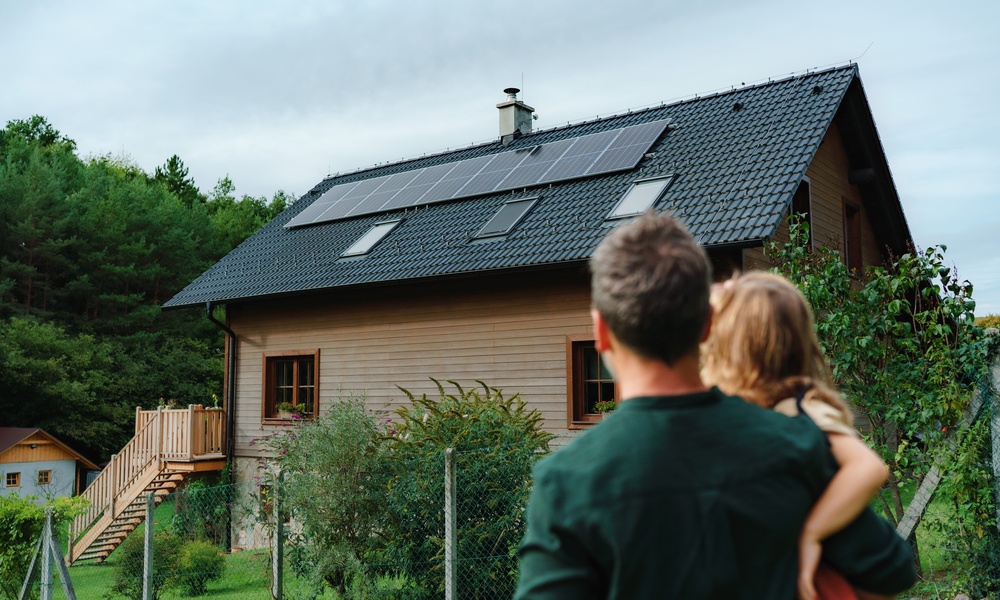
Installing solar panels is an exciting step toward energy independence and sustainability. However, this decision comes with considerations that could impact your savings, household energy efficiency, and long-term satisfaction. Discover four things to consider before installing solar panels so you can set your home up for long-term success.
Your Roof’s Condition and Suitability
Take a moment to assess your roof—is it in good condition, or does it need repairs? Solar panels typically last around twenty to twenty-five years, and installing them on an old or damaged roof could get expensive down the line if they need constant adjustments.
Additionally, you must evaluate the shape, size, and positioning of your roof before installation. To maximize sunlight exposure and energy efficiency, it’s best to install panels on south-facing walls with minimal shade. If your roof doesn’t meet these conditions, you may need additional modifications, or you could explore other options such as ground-mounted systems.
Local Climate and Energy Needs
Solar panels work in various climates, but your location makes a difference. If you live in an area with abundant sunlight, such as Arizona or California, you can generate a good amount of energy year-round.
On the other hand, homes in cloudier climates may require a larger solar system to meet energy goals. To correctly size your solar energy system, make sure to analyze your home’s energy usage and review your past utility bills so you can maximize your return on investment.
Costs, Incentives, and Financing Options
Solar installation can be costly upfront, but you’ll find plenty of incentives to lighten the load. Research federal tax credits, state rebates, and local incentives in your area. Next, explore financing options such as solar loans, leases, or power purchase agreements (PPAs). Different plans suit different budgets, so take the time to find what works best for your financial situation.
Whether You Need a Battery Backup
When your solar panels produce excess energy, it’s sent back to the grid. But what happens at night or during a blackout? This scenario is why it’s important to have a solar battery backup. By storing surplus energy in a battery system, you can power your home even when the sun isn’t shining or there’s an outage.
Though solar batteries are an additional cost, investing in them is well worth the price. With a backup battery, you’ll have extra security and energy independence in case of an electrical emergency.
Installing solar panels is a big decision, but by understanding these four things to consider before installing solar panels, you can create a system that pays for itself in the long run. Once you understand these basics, you can enjoy renewable, clean energy tailored specifically to your home.
About The Author

Got a Questions?
Find us on Socials or Contact us and we’ll get back to you as soon as possible.