




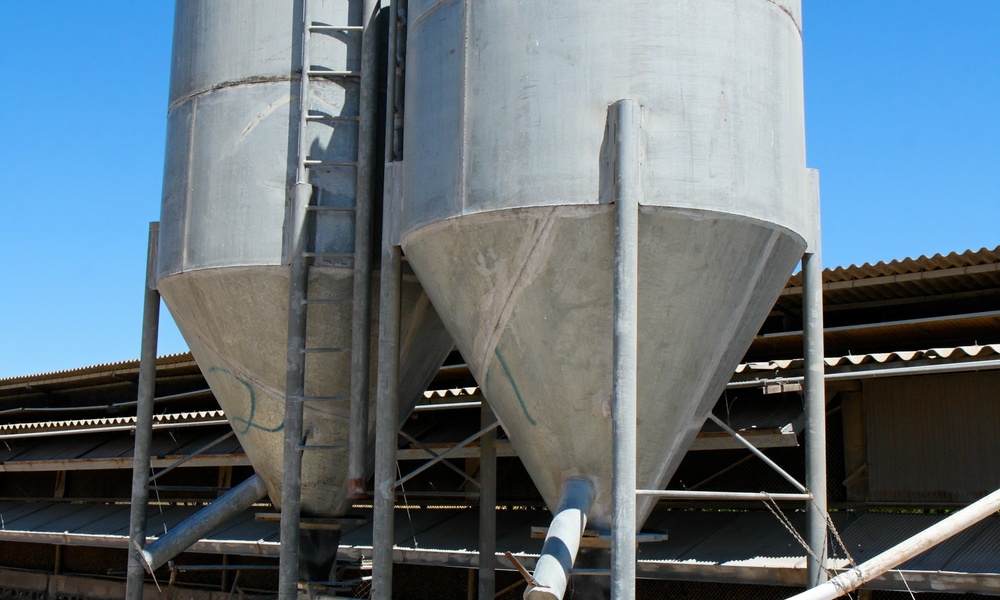
Industrial tanks play a crucial role in various industries, from manufacturing to agriculture. However, they are often exposed to environmental factors that can significantly affect their functionality and durability. Understanding how climate impacts the performance of industrial tanks is vital for professionals who rely on these tanks to store and transport materials effectively.
Temperature Extremes and Material Stress
Extremely high or low temperatures can cause significant damage to industrial tanks. Excessive heat can cause certain materials to warp or weaken over time. Conversely, freezing temperatures often make tanks brittle, increasing the likelihood of cracks or breakage.
For metal tanks, thermal expansion and contraction may stress joints and welds, reducing the overall strength of the structure. To combat these issues, using temperature-resistant materials, such as stainless steel or polyethylene designed for extreme climates, can help maintain tank integrity.
UV Radiation and Tank Degradation
UV radiation has a noticeable impact on industrial tanks, particularly those constructed from plastic. Prolonged exposure to sunlight leads to material degradation, discoloration, and structural weakness.
UV-protected coatings and paints, as well as storing tanks in shaded environments, can significantly reduce the harmful effects of radiation. Additionally, using UV-stabilized materials can preserve the lifespan of an IBC tank and enhance its longevity in challenging environments.
Humidity’s Role in Corrosion
Humidity accelerates the corrosion process, especially for metal industrial tanks or tanks with metal components. Over time, this can compromise the tank’s structural integrity, risking potential leakage and contamination of stored materials.
Preventative measures such as applying anticorrosion coatings, frequent inspections, and ensuring proper ventilation around tanks are essential for minimizing damage caused by moisture-rich environments.
Freeze-Thaw Cycles and Cracks
Industrial tanks in areas with fluctuating seasonal temperatures are particularly vulnerable to the effects of freeze-thaw cycles. Water that gets into crevices or onto surfaces freezes and expands, causing cracks. When the ice thaws, the structure is left weakened and susceptible to more significant damage.
Using insulated tanks or ensuring they are installed with proper drainage can help prevent water accumulation and freeze-thaw damage.
Wind Damage and Tank Stability
Strong winds pose significant risks to tank stability, particularly for vertical storage tanks or those located in open, exposed areas. Wind forces can strain anchoring systems or topple poorly secured tanks.
To enhance wind resistance, it’s essential to secure tanks with robust anchoring systems. Consider a low-profile design or use windbreaks where possible. Regular maintenance of anchoring systems is also critical to ensuring stability in windy conditions.
Understanding how climate impacts the performance of industrial tanks is the first step to safeguarding these essential infrastructures. By addressing environmental challenges with appropriate preventive measures, you can extend the durability and performance of your industrial tanks. Ensure your tanks are prepared for any climate by selecting high-quality materials, implementing regular maintenance routines, and utilizing expert support.
About The Author

Got a Questions?
Find us on Socials or Contact us and we’ll get back to you as soon as possible.