




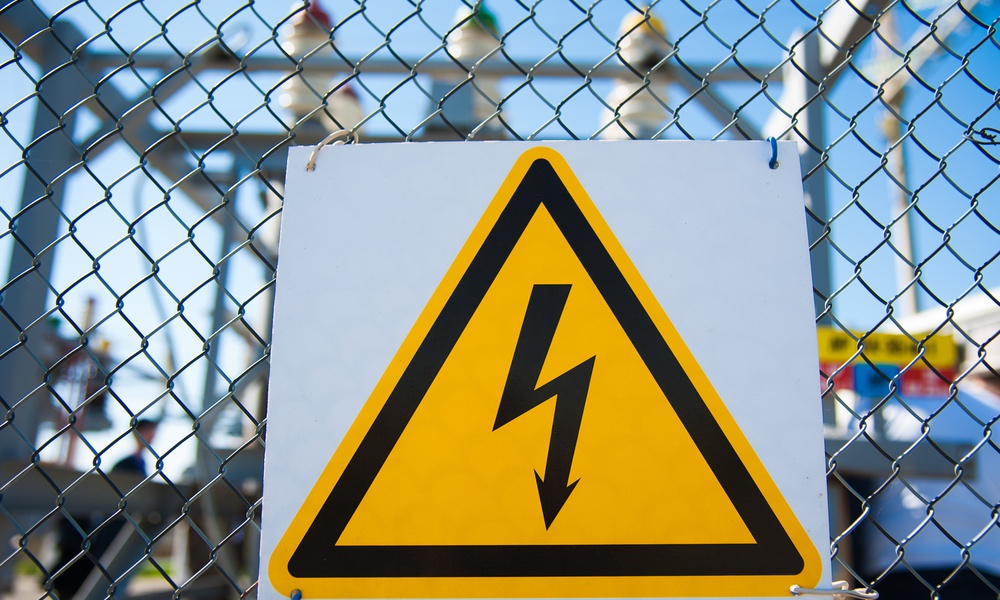
Electricity is essential for your facility, but it also brings real risks, including shocks, fires, equipment failures, and injuries. All it takes is one overlooked hazard or a rushed repair for things to go wrong fast. Too many teams rely on luck or patchwork fixes, hoping nothing serious happens.
The solution? Build a dedicated electrical safety program. A strong program sets clear rules, raises awareness, and keeps your crew safe by preventing accidents before they happen. It’s how you avoid costly downtime, protect your people, and show that safety comes first; no shortcuts, no surprises.
Start With a Clear Risk Assessment
Every effective safety program starts by looking honestly at your risks. Walk through your facility and look for things like exposed wiring, overloaded panels, or outdated equipment. Write down each hazard and rate how serious it is.
Make sure you have clear lockout/tagout procedures, and train employees to shut down systems before working on repairs. Put up signs near high-voltage areas. Review your equipment manuals and follow the manufacturer’s guidelines.
Finally, update your policies as the facility changes. When you know your risks, you can manage them, rather than scrambling after something goes wrong.
Train Your Team Like You Mean It
Training is what turns a facility from risky to safe. Set up regular sessions so that everyone knows how to use electrical tools and can spot potential warning signs. Make it practical; hands-on demos work better than endless slides.
Show your team how to test circuits, use protective gear, and report hazards quickly. Keep good habits going with toolbox talks and quick refreshers.
Toss a maintenance checklist for crane pendant controls into your regular inspections. When people know what’s expected, they’re more confident and less likely to make expensive mistakes.
Bring Modern Tech Into the Mix
Modern tech can really strengthen your safety program. Install smart sensors to spot overheating equipment before it becomes a problem. Use digital inspection apps to monitor compliance and assign follow-up tasks.
Connect your panels to monitoring systems that send real-time alerts to supervisors. Swap out paper logs for cloud dashboards that hold training records and audit results.
Give technicians wearable gear that warns them of arc-flash risks. The right technology gives you more data, speed, and better control. When you use these tools, you can head off problems before they start.
Keep It Updated and Accountable
A good safety program needs regular attention. Set up routine audits and fix problems right away. Set goals you can measure, such as fewer accidents or quicker hazard responses. Hold supervisors accountable for ensuring that employees follow these safety measures.
A culture of safety thrives when employees feel comfortable reporting unsafe conditions without fear of backlash. By openly reviewing incident reports and using real events to adjust your safety plan, you show that every voice and every lesson matters.
Celebrating milestones keeps morale high and reminds everyone that progress is possible. Consistently following these habits strengthens your standards, and when leaders demonstrate a daily commitment to safety, the entire facility will learn to follow suit.
Building an electrical safety program for your facility takes focus, discipline, and a commitment to workplace safety. When you create clear procedural manuals and implement smart technology, you’re protecting your crew, strengthening your operation, and avoiding costly downtime. Bottom line: Make safety part of your everyday routine, not just something you keep in a binder.
About The Author

Got a Questions?
Find us on Socials or Contact us and we’ll get back to you as soon as possible.