




Urban high-rise projects come with tight spaces, strict regulations, and zero room for sloppy execution. One wrong move can slow progress, inflate costs, or create safety hazards that ripple across the entire jobsite. That’s why understanding common mistakes to avoid in urban high-rise construction matters long before steel hits the sky. Use this guide as a checkpoint before your next downtown build kicks off.
Poor Site Logistics Planning
City jobs don’t offer wide-open staging areas or endless laydown yards. Crews that underestimate space constraints run into delivery delays and blocked access points. A single misplaced material drop can shut down a street or frustrate neighboring businesses. Tight coordination between crane operators, truck drivers, and site supervisors keeps everything flowing.
Delivery schedules should match actual lift capacity and daily sequencing. When trucks show up too early or too late, productivity takes a hit. A detailed logistics map prevents confusion and keeps operations steady from foundation to final panel.
Underestimating Crane Placement and Capacity
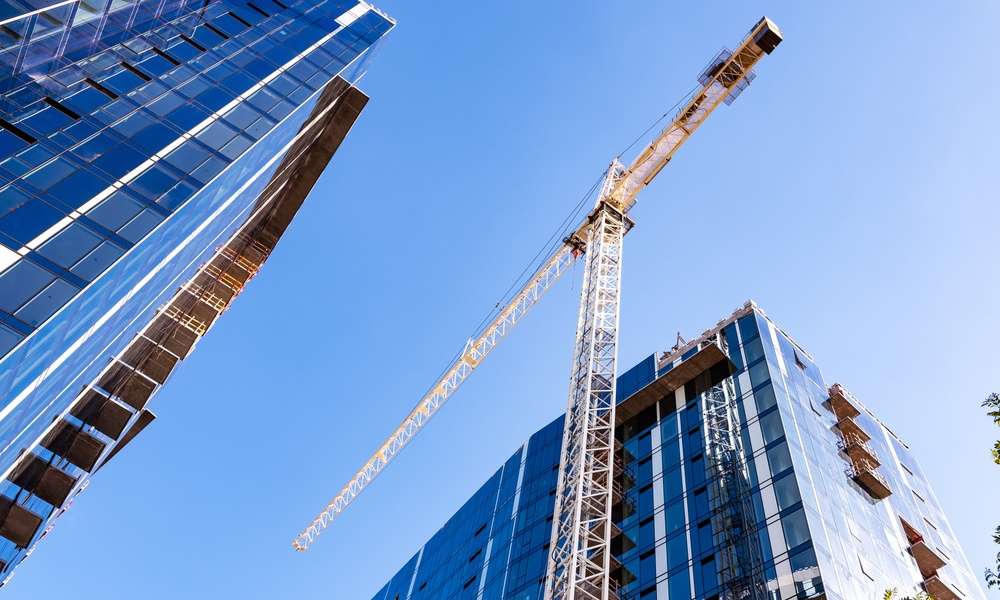
Navigating the complexities of high-rise projects is among the most common applications for all-terrain cranes in construction. High-rise work depends on the right crane in the right position. Projects derail fast when lift radius, boom length, or load charts don’t align with structural demands.
For example, a crane placed too close to the structure may struggle with reach, which leads to costly repositioning. Urban environments add extra challenges like overhead lines, adjacent buildings, and limited swing radius. Proper pre-planning with lift studies and load calculations avoids mid-project headaches.
Ignoring Safety Culture on Fast-Paced Sites
City builds move quickly, and pressure builds alongside the structure. Crews sometimes rush through safety checks to stay on timeline. That shortcut invites accidents that cost far more than a few saved minutes. Clear communication, daily safety briefings, and strict adherence to OSHA standards protect everyone onsite. A high-rise environment leaves no margin for careless habits.
Failing to Account for City Regulations
Municipal permits, noise ordinances, and traffic control rules shape every stage of a downtown build. Projects stall when paperwork lags behind physical progress. Unexpected fines or shutdowns drain budgets quickly.
Close collaboration with local authorities keeps compliance on track. Planning for street closures and restricted hours avoids disruption. Remember that good preparation removes guesswork and keeps progress steady.
Review these common mistakes to avoid in urban high-rise construction before your next project begins. Apply these lessons to protect your crew, timeline, and bottom line. Strong planning today sets the stage for a skyline that rises without setbacks.
About The Author

Got a Questions?
Find us on Socials or Contact us and we’ll get back to you as soon as possible.