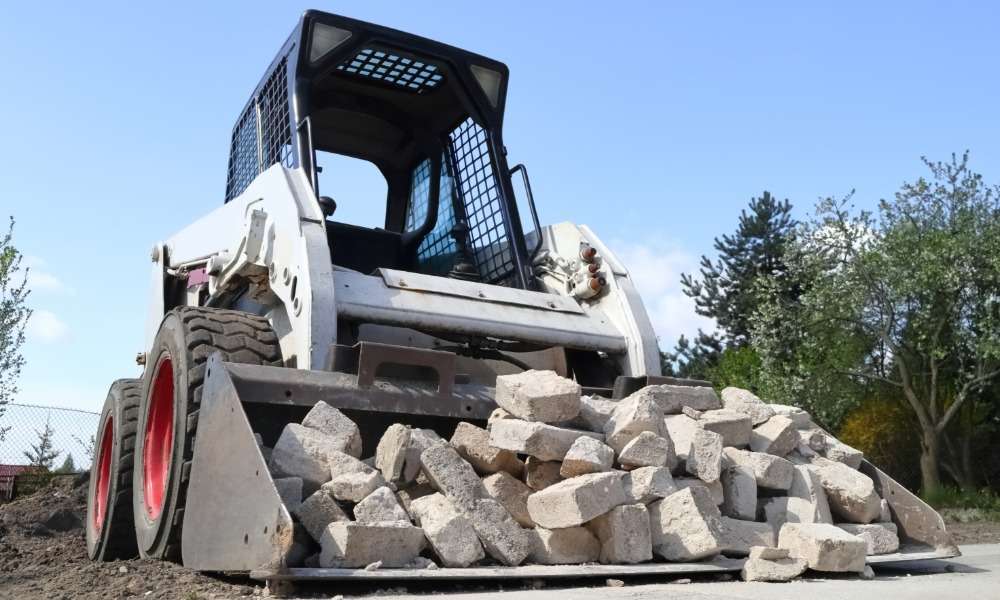
Operators rely on skid steers for everything from landscaping and construction to farm work and material handling. When you use the machine efficiently, you can complete jobs faster while reducing wear and maintenance costs. Understanding proper operation, attachment selection, and routine care helps you maximize productivity and protect your investment. These tips for getting the most out of your John Deere skid steer help improve performance, increase efficiency, and keep equipment working reliably.
Focus on Proper Operation Techniques
Efficient operation begins with smooth, controlled machine handling. Operators who avoid abrupt movements reduce strain on the hydraulic system and drivetrain while improving overall productivity. Gradual acceleration, controlled lifting, and steady turns allow the machine to move materials more effectively and maintain better stability on uneven ground.
Maintaining proper bucket positioning also improves efficiency. Keeping the bucket low while traveling helps maintain balance and reduces the risk of tipping. When loading materials, approach piles steadily and curl the bucket gradually to maximize capacity. These small adjustments add up to better performance and less stress on key machine components.
Choose the Right Attachments for the Job
Attachments dramatically expand the capabilities of a skid steer, allowing operators to tackle a wide variety of tasks without switching equipment. Buckets, augers, pallet forks, grapples, and trenchers each serve specific purposes that improve jobsite efficiency.
Selecting the best attachments for John Deere skid steers ensures the machine performs at its highest level. When operators match attachments to the specific task, they reduce operating time and improve results. Using the proper attachment also helps protect the machine by preventing overload and unnecessary strain on the hydraulic system.
Stay Consistent With Routine Maintenance
Regular maintenance plays a major role in skid steer performance and longevity. Simple tasks such as checking fluid levels, inspecting hoses, and cleaning debris from the engine compartment help prevent costly repairs. Consistent lubrication keeps moving parts operating smoothly and reduces friction that can lead to premature wear.
Operators should also pay attention to filters and cooling systems. Clean filters allow the engine and hydraulics to function efficiently, while a clear cooling system prevents overheating during heavy workloads. A consistent maintenance schedule keeps the machine running reliably and reduces unexpected downtime.
Pay Attention to Jobsite Conditions
Jobsite awareness helps operators protect both the machine and surrounding work areas. Soft soil, mud, or uneven terrain can affect stability and traction, so adjusting driving speed and load size becomes important. Operators should plan travel paths carefully to avoid unnecessary obstacles and minimize repeated passes across sensitive ground.
Understanding surface conditions also helps preserve tires or tracks. Sharp debris, loose rocks, and construction waste can accelerate wear. Taking a few extra moments to clear pathways and monitor conditions can extend the lifespan of important machine components.
Maximize Performance and Equipment Longevity
A skid steer becomes far more productive when operators combine proper techniques, the right attachments, and consistent maintenance. Paying attention to jobsite conditions and operating the machine smoothly also helps prevent unnecessary wear. By following these tips for getting the most out of your John Deere skid steer, operators can boost efficiency, extend equipment life, and maintain reliable performance.