




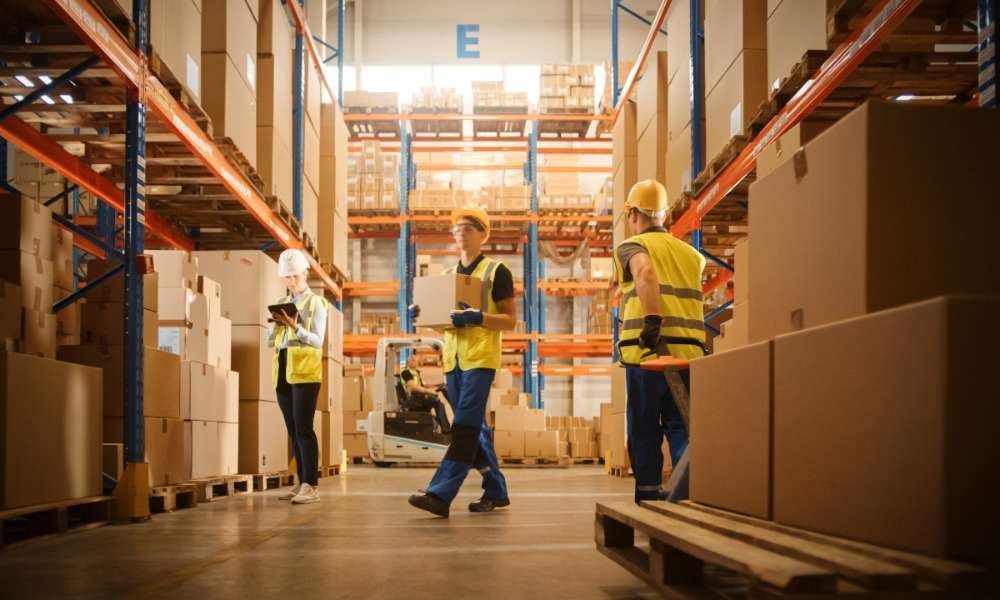
Efficient warehouse operations drive profitability, customer satisfaction, and long-term growth. When your team moves products quickly and accurately, you reduce costs and build trust with every shipment. However, many businesses struggle with bottlenecks, inventory errors, and wasted labor. You can overcome these challenges by focusing on organization, technology, training, and performance tracking. The following strategies will help you streamline workflows and create a warehouse that supports your company’s goals.
Optimize Your Warehouse Layout
A well-planned layout reduces travel time, improves picking speed, and minimizes confusion. Start by analyzing how your team moves through the space each day. Identify high-traffic areas and reorganize shelving to keep popular items close to packing stations.
Group related products together and label every aisle, rack, and bin clearly. Clear signage eliminates guesswork and helps new employees find items faster. You should also create designated zones for receiving, storage, picking, packing, and shipping. Defined zones prevent overlap and reduce the risk of misplaced inventory.
Review your layout regularly as product lines and order volumes change. Small adjustments can lead to measurable gains in productivity.
Strengthen Inventory Management Practices
Inventory inaccuracies cost money and damage customer relationships. You need a reliable system that tracks stock levels in real time and flags discrepancies immediately.
Implement consistent cycle counting instead of relying solely on annual physical counts. Frequent checks help your team catch errors early and maintain accurate records. Standardize receiving procedures so employees inspect, count, and log incoming shipments the same way every time.
To further improve accuracy:
- Establish clear labeling standards for all products
- Set minimum stock thresholds and automate reorder alerts
- Separate damaged or returned goods immediately
- Audit high-value items more frequently
Leverage Technology for Greater Efficiency
Technology plays a critical role in modern warehouse operations. A warehouse management system (WMS) allows you to track inventory, manage orders, and monitor performance from a centralized platform.
You should also consider getting a wireless barcode scanner to speed up picking and reduce manual data entry errors. When employees scan items directly into your system, they eliminate paperwork and improve accuracy at every stage of the process. Faster scanning leads to quicker order fulfillment and fewer costly mistakes.
Automation tools, such as conveyor systems or automated picking solutions, can further increase output if your order volume justifies the investment. Evaluate your operational data before purchasing new equipment so you choose tools that deliver a clear return on investment.
Invest in Employee Training and Accountability
Your warehouse team drives daily performance. Even the best systems fail without proper training and accountability. Provide structured onboarding for new hires and offer ongoing training sessions for existing staff. Focus on safety protocols, equipment usage, and standard operating procedures.
Set clear expectations for productivity and accuracy. Track key metrics such as picking speed, order accuracy, and shipping times. Share these metrics with your team so everyone understands performance goals.
Encourage feedback from employees who work on the floor each day. They often identify inefficiencies that managers overlook. When you involve your team in process improvements, you build engagement and boost morale.
Monitor Performance and Refine Processes
Continuous improvement separates average warehouses from high-performing operations. Review key performance indicators regularly and look for trends that signal inefficiencies. If order accuracy drops or fulfillment times increase, investigate the root cause immediately.
Schedule periodic process reviews and test small adjustments before implementing major changes. Measure the results and refine your approach as needed. By staying proactive and data-driven, you create a warehouse operation that adapts quickly and supports sustainable business growth.
About The Author

Got a Questions?
Find us on Socials or Contact us and we’ll get back to you as soon as possible.