
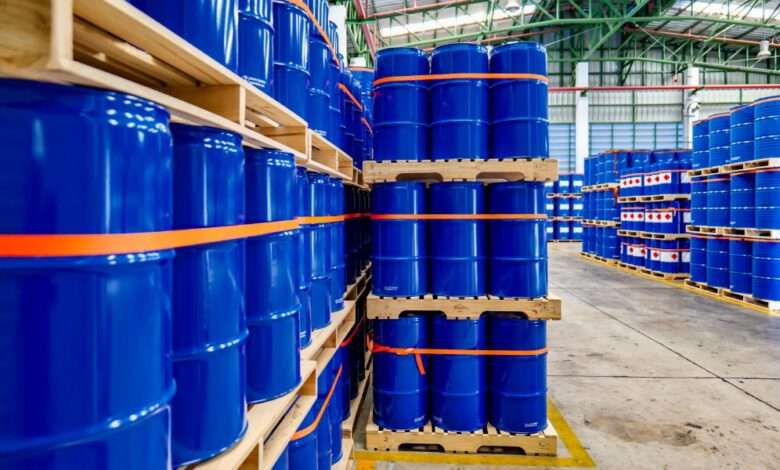
Unexpected packaging gaps can throw off even a solid production forecast in a chemical plant. Why closed-loop packaging improves chemical forecasting comes down to having reusable containers return on a more predictable schedule. When packaging availability is easier to anticipate, teams can plan filling cycles and shipment timing with more confidence. Added control helps forecasts stay closer to actual plant conditions.
Return Cycles Improve Visibility
Closed-loop systems make packaging easier to monitor because the same assets move through repeatable routes. Instead of estimating losses or waiting on replacement containers, teams can track what is in use, what is returning, and what will be ready next. That visibility helps planners line up packaging supply with production demand. It also reduces the uncertainty that can throw off a forecast.
Inventory Becomes More Accurate
Forecasting weakens when packaging counts look fine on paper but do not reflect what is usable. Closed-loop programs reduce that gap by giving plants better control over where containers are and when they will be ready for use. Filling schedules can be built around assets that are likely to be available, not just assumed to be available. More accurate packaging inventory supports more stable production planning.
Reuse Patterns Strengthen Planning
Demand forecasting becomes sharper when packaging follows a consistent return pattern. Teams can compare production needs with packaging turnaround times and spot pressure points before disrupting operations. That is one reason reusable packaging for specialty chemical markets can support better planning in facilities that depend on specific container types. The packaging loop creates a clearer operating rhythm that strengthens forecast accuracy.
Fewer Last-Minute Adjustments
Forecasts break down when plants have to rush replacement containers or make sudden packaging changes. Closed-loop systems help reduce those disruptions by keeping a steadier pool of packaging in circulation. With fewer emergency decisions, production plans stay closer to schedule. That consistency gives forecasting data more value over time.
Better Coordination Across Operations
Project demand is not the only aspect dependent on chemical forecasting. Packaging availability affects procurement, production timing, cleaning cycles, and shipping schedules across the plant. Closed-loop systems give teams a shared view of asset readiness, which helps departments plan around the same conditions. Better alignment supports smoother operations across the facility.
Small shifts in packaging control can have a larger effect on plant stability than they first appear to. In many operations, why closed-loop packaging improves chemical forecasting becomes clearer once container movement starts reinforcing the schedule instead of putting pressure on it. Packaging stops being a recurring source of friction and starts supporting a steadier pace across production.
About The Author


