




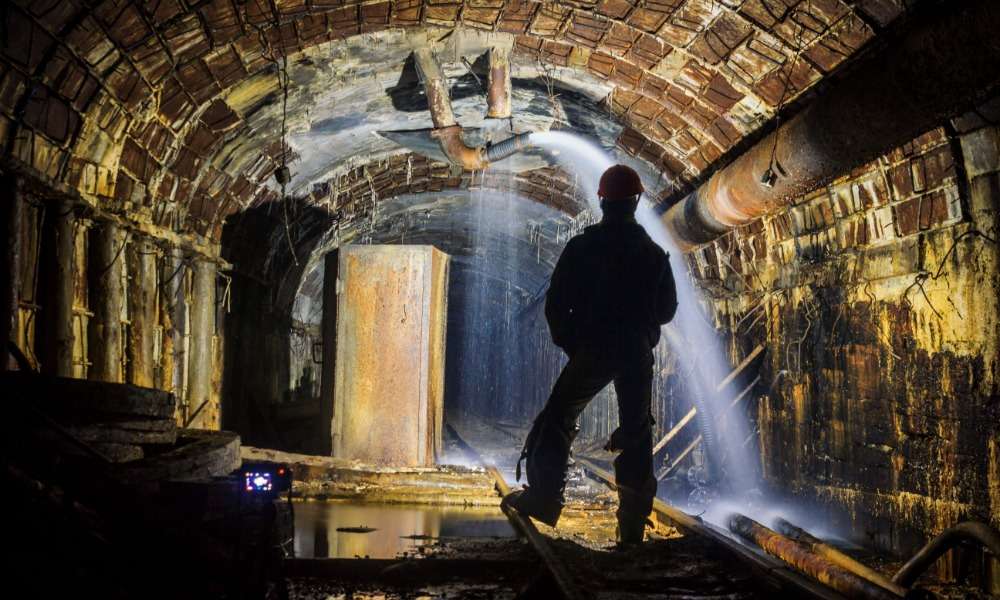
Underground mines operate in environments where water never stays still. It seeps through rock layers, collects in low points, and builds pressure in hidden pockets. Find out why water is a concern in underground mining operations and how crews can manage a safe jobsite.
Constant Water Intrusion
Water finds entry through fractures, porous rock, drilling zones, and old workings that intersect active tunnels. Once it enters, it spreads quickly and follows the path of least resistance.
Rock faces soften, support structures face extra stress, excavation slows, and crews must redirect attention toward containment. A dry tunnel can shift into a high-risk zone within hours if inflow increases without warning.
Equipment Under Pressure
Heavy equipment faces relentless exposure underground. Water reaches seals, bearings, electrical systems, and hydraulic lines. Over time, exposure reduces efficiency and shortens service life.
Deeper operations amplify these issues. Pressure rises, temperatures shift, and moisture levels climb. Engineers recognize that mining depth affects powertrain performance, especially across engines, transmissions, torque converters, and drivetrain components working under continuous strain. Equipment must operate through heat, moisture, vibration, and load without failing.
Safety Risks Below Ground
Water introduces hazards that demand constant awareness. Pooled water hides uneven surfaces, reduces traction, disrupts visibility, and complicates evacuation routes during emergencies.
Sudden inflows pose an even greater threat. A breakthrough into a water-bearing zone can flood sections of a mine rapidly. Crews must react fast to stabilize affected areas before conditions escalate.
Drainage Systems in Action
Effective water control depends on active systems that move water away from critical zones. Pumps operate continuously, channels guide flow, sumps collect excess water, and monitoring systems track changes in volume and pressure.
Operators adjust these systems based on site conditions. They increase pump capacity, clear blockages, reinforce drainage paths, and inspect equipment to keep everything running smoothly. Any lapse in maintenance can lead to backups that disrupt operations quickly.
Structural Wear Over Time
Water reshapes underground environments gradually by weakening anchors, corroding metal, and eroding rock. These changes require frequent inspection and reinforcement because the site may suddenly become unstable.
Crews need to assess tunnel integrity and replace compromised materials promptly. When they adapt the designs and respond to evolving stress points, the small signs of wear won’t escalate into serious issues.
Stay Ahead of Water Challenges
Teams rely on strong drainage infrastructure and durable equipment.Water is a concern in underground mining operations because it will continue to move, but it’s possible to limit this element’s risks. Proactive operations will keep productivity and safety in check.
About The Author

Got a Questions?
Find us on Socials or Contact us and we’ll get back to you as soon as possible.