



Retail displays impact how customers experience a store. A well-designed setup can draw people in, highlight key products, and make the space feel more intentional.
The goal isn’t just to look good—it’s to communicate product information clearly and quickly. Here are some design tips for creating eye-catching retail displays.
Focus on Lighting First
Lighting is one of the most effective ways to guide attention in retail settings. Bright, even illumination makes products stand out, while softer lighting can create a more relaxed feel depending on the environment.
LED lightboxes are a popular display option because they provide consistent brightness and enhance color accuracy. Many modern setups use SEG (silicone edge graphics) to create a seamless, frameless appearance. The best materials for SEG graphics in lightboxes, such as polyester and woven fabrics, evenly distribute light, which makes the display look polished.
Keep the Layout Clean
It’s easy to overcrowd a display, especially when trying to showcase multiple products. However, too many elements can make it harder for customers to understand what they’re looking at.
A clean layout with a clear focal point works better. Use spacing intentionally, and make sure the main product or message is immediately visible. Strong eye-catching retail displays often rely on simplicity rather than complexity.
Incorporate Subtle Movement
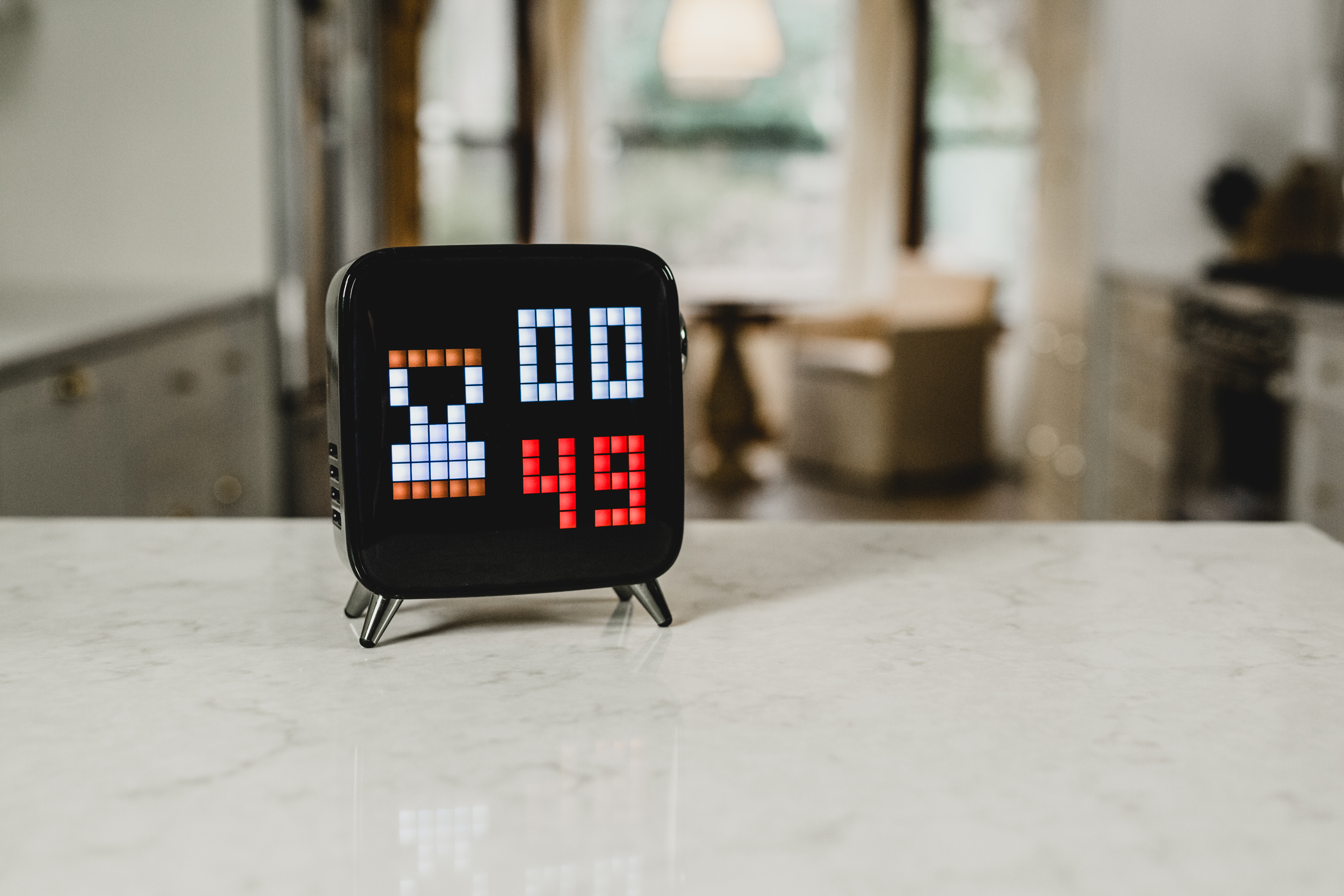
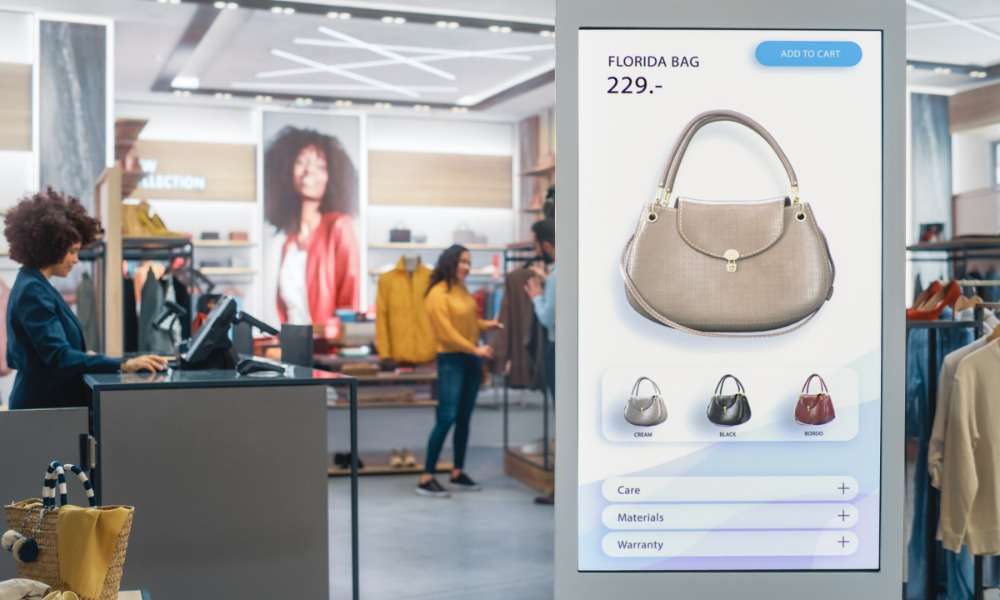
Movement can help draw customer attention, but it doesn’t need to be dramatic. Digital screens, rotating platforms, or small animated elements can make a display feel more dynamic.
The key is to keep the display purposeful. Movement should highlight the product, not distract from it. Even a slight motion can guide the eye without overwhelming the space.
Create Context for the Product
Displays are more effective when they show how a product fits into everyday use. Instead of presenting items in isolation, build a small scene or environment around them.
This approach helps customers quickly understand the product’s purpose and imagine how they might use it themselves. Context adds meaning, which can make the display more memorable.
Pay Attention to Composition
Design principles like contrast, balance, and positioning all play a role in developing effective displays. Placing products at eye level, using contrasting colors, and creating depth with layers can make a display more visually appealing.
Think of the display as something that could be photographed and shared. A well-composed setup not only looks better in person but also translates well in photos.
Test and Refine Displays
Retail displays aren’t static. Observing how customers interact with them can provide useful insights that lead to small adjustments like repositioning a product or changing lighting intensity, which can improve performance over time. Implementing these design tips for creating eye-catching retail displays results in ongoing refinement and better customer experiences.
About The Author

Got a Questions?
Find us on Socials or Contact us and we’ll get back to you as soon as possible.