Modern design continues to shape how people live, work, and relax, with many homeowners deciding they no longer have to choose between beauty and practicality. Modern design trends must balance style and function to attract buyers. This balanced approach helps people enjoy comfortable environments without sacrificing personal style.
Why Function Leads Modern Design
Modern design starts with purpose before decoration enters the picture. Every piece of furniture, fixture, and feature serves a specific role within the space. Designers carefully consider traffic flow and daily routines when planning layouts. As a result, rooms feel more organized and easier to use.
Open floor plans remain popular because they improve movement and flexibility. Families can cook and socialize without feeling disconnected from one another. Large windows bring natural light into living spaces and reduce the need for artificial lighting during the day.
How Materials Enhance Everyday Living
Modern design trends favor materials that combine durability with visual appeal. Homeowners often select surfaces that resist wear while maintaining a clean and attractive appearance. Natural stone and high-performance fabrics offer excellent examples of this balance.
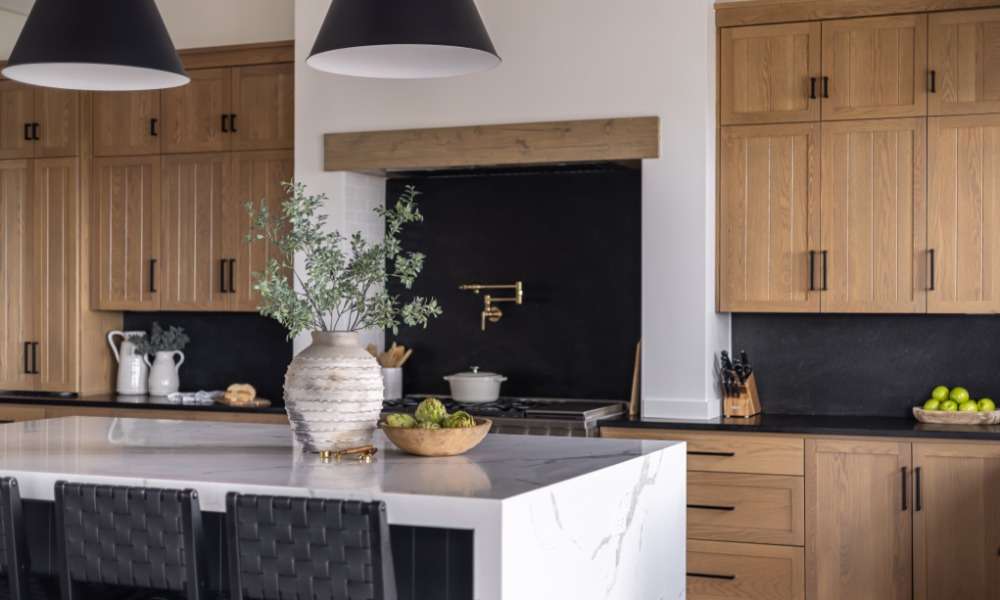
Designers also pay close attention to finishes and textures. Matte finishes create a sophisticated appearance while hiding fingerprints and smudges more effectively than glossy surfaces. Many homeowners want the top tile styles for modern kitchen and bath designs when selecting finishes that blend appearance with long-term performance. Smart material choices help reduce maintenance without limiting creativity.
The Role of Smart Storage Solutions
Clutter can quickly reduce both functionality and visual appeal. Modern design addresses this challenge through creative storage solutions that maximize available space. Built-in shelving, hidden cabinets, and multifunctional furniture help keep rooms organized.
Some of the most effective storage-focused design trends include:
- Built-in cabinetry that blends with surrounding walls
- Furniture with hidden storage compartments
- Floating shelves that create display space without bulk
- Under-bed storage systems for smaller bedrooms
- Custom closet organizers that improve accessibility
These solutions support cleaner spaces while preserving a sleek and modern look.
How Technology Supports Better Design
Technology now plays an important role in modern interiors. Smart lighting systems and connected appliances increase convenience while enhancing design. Homeowners can adjust settings with simple voice commands or mobile apps. These features improve efficiency without adding visual clutter.
Many modern devices also feature minimalist designs that complement contemporary spaces. Manufacturers understand that consumers want technology that blends into the environment. As a result, products often feature clean lines and neutral finishes. This approach allows technology to support both style and function.
Creating Spaces That Feel Personal
Modern designs that balance style and function do not require people to follow strict rules or trends. Instead, it encourages individuals to create spaces that reflect their lifestyles and personalities, rather than a basic style.
Thoughtful customization helps people connect emotionally with their surroundings. When style and function work together, spaces become both practical and enjoyable. That balance explains why modern design continues to influence homes around the world. Modern design continues to shape how people live, work, and relax, with many homeowners deciding they no longer have to choose between beauty and practicality. Modern design trends must balance style and function to attract buyers. This balanced approach helps people enjoy comfortable environments without sacrificing personal style.
Why Function Leads Modern Design
Modern design starts with purpose before decoration enters the picture. Every piece of furniture, fixture, and feature serves a specific role within the space. Designers carefully consider traffic flow and daily routines when planning layouts. As a result, rooms feel more organized and easier to use.
Open floor plans remain popular because they improve movement and flexibility. Families can cook and socialize without feeling disconnected from one another. Large windows bring natural light into living spaces and reduce the need for artificial lighting during the day.
How Materials Enhance Everyday Living
Modern design trends favor materials that combine durability with visual appeal. Homeowners often select surfaces that resist wear while maintaining a clean and attractive appearance. Natural stone and high-performance fabrics offer excellent examples of this balance.
Designers also pay close attention to finishes and textures. Matte finishes create a sophisticated appearance while hiding fingerprints and smudges more effectively than glossy surfaces. Many homeowners want the top tile styles for modern kitchen and bath designs when selecting finishes that blend appearance with long-term performance. Smart material choices help reduce maintenance without limiting creativity.
The Role of Smart Storage Solutions
Clutter can quickly reduce both functionality and visual appeal. Modern design addresses this challenge through creative storage solutions that maximize available space. Built-in shelving, hidden cabinets, and multifunctional furniture help keep rooms organized.
Some of the most effective storage-focused design trends include:
- Built-in cabinetry that blends with surrounding walls
- Furniture with hidden storage compartments
- Floating shelves that create display space without bulk
- Under-bed storage systems for smaller bedrooms
- Custom closet organizers that improve accessibility
These solutions support cleaner spaces while preserving a sleek and modern look.
How Technology Supports Better Design
Technology now plays an important role in modern interiors. Smart lighting systems and connected appliances increase convenience while enhancing design. Homeowners can adjust settings with simple voice commands or mobile apps. These features improve efficiency without adding visual clutter.
Many modern devices also feature minimalist designs that complement contemporary spaces. Manufacturers understand that consumers want technology that blends into the environment. As a result, products often feature clean lines and neutral finishes. This approach allows technology to support both style and function.
Creating Spaces That Feel Personal
Modern designs that balance style and function do not require people to follow strict rules or trends. Instead, it encourages individuals to create spaces that reflect their lifestyles and personalities, rather than a basic style.
Thoughtful customization helps people connect emotionally with their surroundings. When style and function work together, spaces become both practical and enjoyable. That balance explains why modern design continues to influence homes around the world.