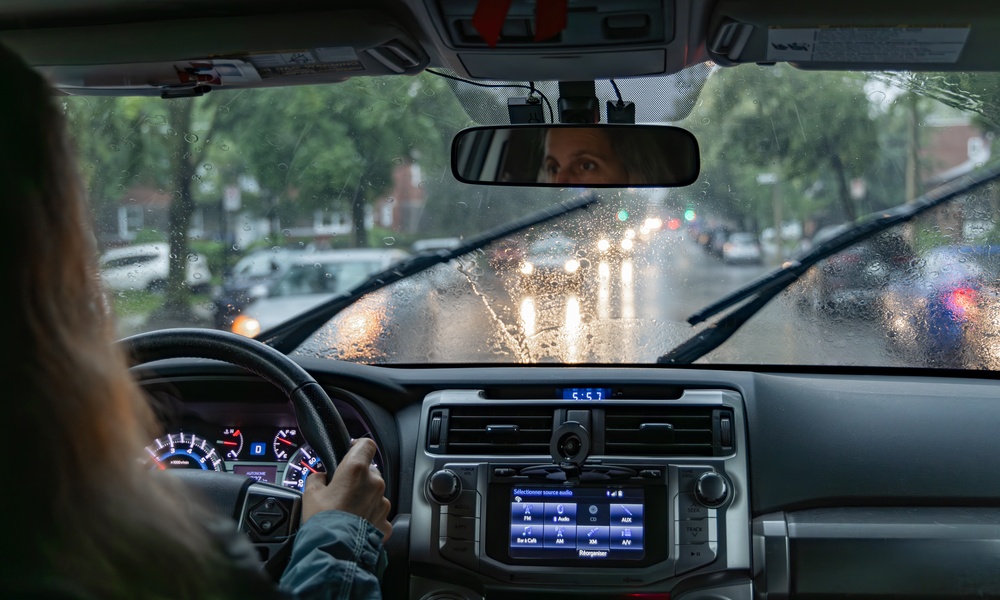
Seasonal weather keeps drivers on their toes all year long. One month brings sunshine and clear roads, while the next delivers heavy rain, snow, or extreme heat. Learning about what drivers should expect from seasonal weather helps you stay safer and avoid costly surprises. Every season presents unique challenges, and smart drivers prepare before they arise.
Spring Brings Unpredictable Road Conditions
Spring often feels like a reward after winter, but it can create several driving hazards. Rainstorms can appear quickly and reduce visibility within minutes. Potholes also become more common as roads recover from months of freezing temperatures.
Wet pavement increases stopping distances and reduces tire traction. Drivers should slow down during heavy rain and leave more space between vehicles. Windshield wipers deserve attention before spring storms arrive. A simple maintenance check can make a major difference when visibility drops.
Summer Heat Affects More Than Comfort
Many people focus on staying cool in summer, but vehicles face significant stress in hot weather. High temperatures force engines, batteries, and tires to work harder than usual. Long road trips can magnify small mechanical problems that seem harmless during cooler months. A neglected cooling system often chooses the hottest day of the year to announce its retirement.
Drivers should regularly inspect fluid levels and monitor tire pressure. Heat causes air inside tires to expand, which can affect handling and performance. Regular inspections help prevent breakdowns during vacations and weekend adventures.
Summer Driving Checklist
- Check tire pressure at least once a month.
- Inspect coolant and other fluid levels.
- Test your air conditioning system.
- Replace worn windshield wipers.
- Keep an emergency kit in your vehicle.
Fall Signals Time for Preparation
Fall offers comfortable temperatures, but it introduces new driving concerns. Wet leaves can create surprisingly slippery road surfaces. Shorter daylight hours also reduce visibility during morning and evening commutes. Drivers who assume conditions remain as predictable as summer often encounter unpleasant surprises.
This season provides an ideal opportunity to prepare for winter. Drivers should inspect brakes and tires before cold weather arrives. It is vital to understand how seasonal temperature swings affect tire wear because changing temperatures alter tire pressure and performance throughout the year. Paying attention to these details helps vehicles perform more consistently when winter finally arrives.
Winter Demands Extra Patience
Winter presents the toughest conditions for most drivers. Snow, ice, and freezing temperatures create hazards that require additional caution. Even experienced drivers can struggle when roads become slick. Mother Nature often reminds everyone that four-wheel drive does not equal four-wheel stopping.
Drivers should reduce speed and increase following distance during winter weather. Before getting in the car, all windows, mirrors, and lights should be clear of snow and ice to maintain visibility on the road. Careful preparation helps reduce stress when conditions become challenging.
Adapting Throughout the Year
Successful drivers adjust their habits as conditions change. Each season affects vehicle performance and road safety in different ways. Staying informed about local forecasts allows drivers to plan ahead and avoid unnecessary risks. Flexible drivers often enjoy smoother and safer travel experiences.
Seasonal weather will always bring surprises for drivers, but preparation makes those surprises easier to manage. Small adjustments in driving behavior can improve safety during any season. When drivers respect changing weather conditions, they place themselves in a much better position for every journey.