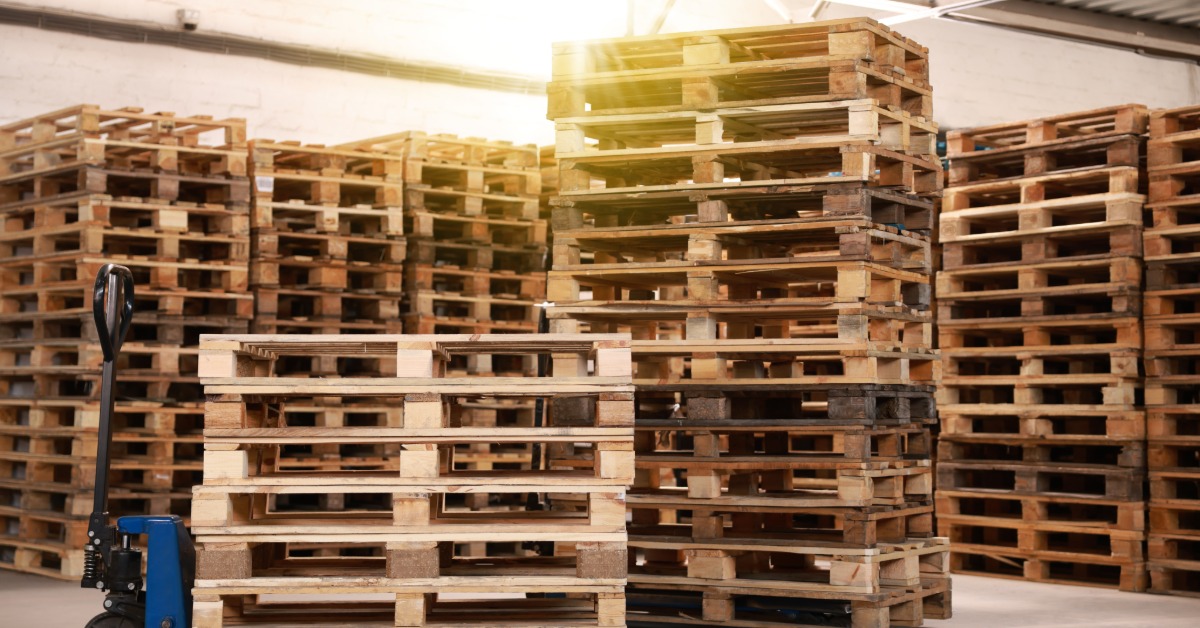
Warehouse storage depends on far more than open floor space and sturdy shelving. Every pallet beneath stored goods plays a direct role in protecting inventory, enabling efficient handling, and keeping employees safer during daily operations. A damaged or poorly matched pallet can create problems that extend far beyond a single load.
The right pallet gives warehouse teams a stable foundation for products during storage and movement. It also works smoothly with forklifts, pallet jacks, and racking systems. When businesses choose pallets with storage conditions in mind, they can reduce unnecessary damage and make warehouse routines easier to manage. These are the best pallet features for safe warehouse storage.
Strong Construction
A warehouse pallet must support its assigned load without excessive flexing, cracking, or shifting. Strong construction starts with quality materials and a design that matches the products workers plan to store.
Wood remains a common choice because it provides reliable strength for many warehouse applications. However, not every wooden pallet offers the same level of durability. Overall construction quality influences how well a pallet withstands repeated use.
A strong pallet should also maintain its shape under pressure. Loads can place considerable force on deck boards and stringers during long storage periods. If those components bend or weaken, products may shift. Warehouse managers should select pallets that can support the intended weight while maintaining a stable platform.
Strength also affects handling. Forklift operators depend on pallets that stay intact when they lift or reposition inventory. Reliable construction gives workers greater control over each load.
Proper Load Capacity
Load capacity deserves careful attention because warehouses use pallets in several ways. A pallet may carry a different amount of weight while resting on the floor than it can safely support on warehouse racking.
Warehouse teams should match pallet capacity to both the product weight and the storage method. Choosing a pallet based only on the total weight of the goods can create problems when workers place the same pallet on elevated racks.
Weight distribution also affects pallet performance. A concentrated load can place greater stress on specific boards than an evenly distributed load of the same weight. Businesses should consider product dimensions and placement when selecting pallet designs.
A generous safety margin can also help when normal warehouse activity puts additional stress on stored loads. Workers may move a pallet several times before shipment, so its construction needs to handle repeated lifting without losing stability.
Consistent Dimensions
Standardized dimensions make warehouse operations more predictable. Pallets that fit storage racks correctly allow teams to use available space without forcing awkward configurations.
Consistent sizing also improves forklift access. Operators can approach loads with greater confidence when pallet openings and deck dimensions remain familiar. Workers spend less time correcting poor positioning, which can help keep traffic moving through busy storage areas.
Uniform dimensions become especially valuable when a warehouse stores large quantities of similar products. Teams can create repeatable storage layouts and use rack space more efficiently.
Businesses that need a pallet suitable for long-term storage should pay close attention to dimensions before placing inventory into an established racking system. A pallet that fits the load but doesn’t fit the rack can create an unstable storage arrangement.
Reliable Deck Boards
Deck boards provide direct support for boxes, containers, and other packaged products. Their condition can affect load stability and product protection.
Boards with large gaps can pose problems for smaller packages. Cartons may sag between openings, and irregularly shaped items may sit unevenly. A pallet with appropriate board spacing provides a more supportive surface for the intended cargo.
Board quality also deserves attention. Cracked wood, raised nails, and splintered surfaces can damage packaging. Warehouses should inspect pallets before loading products and remove damaged units from service.
The right deck configuration depends on the goods. Heavy products may require additional support, while lightweight cartons can work well with wider spacing. Matching the deck design to the load helps the pallet perform its job without using more material than necessary.
Forklift Accessibility
Warehouse storage rarely stays completely static. Workers move pallets when receiving new products, reorganizing inventory, picking orders, or preparing shipments.
Good forklift access makes those movements easier. Four-way entry pallets allow forks to enter from multiple directions, giving operators more flexibility in tight storage areas. Two-way entry pallets may also work well when the warehouse layout allows predictable approaches.
Fork openings should provide adequate space for equipment while preserving pallet strength. Poor access can force operators to approach loads at awkward angles or spend extra time repositioning equipment.
Smooth handling also protects inventory. When forklift operators can engage a pallet cleanly, they have less reason to make repeated adjustments that could bump products or disturb neighboring loads.
Stable Load Support
A pallet should create a level base that helps products stay in place. Warped deck boards or uneven construction can cause cartons to lean before workers even move the load.
Stable support is especially important when warehouses stack products high or store them on racks. A slight lean near the floor can become much more noticeable as the height of the load increases.
Warehouse teams should also consider how products interact with the pallet surface. Boxes with flat bottoms need sufficient contact with deck boards to prevent shifting. Containers with unusual shapes may require a pallet configuration that provides support at specific points. Stretch wrap, straps, and corner protection can secure products, but those materials work best when the pallet already provides a solid foundation.
Moisture Resistance
Warehouse conditions can expose pallets to humidity, occasional leaks, and moisture brought inside on products or equipment. Wood can absorb moisture, which may affect its weight and condition over time.
Properly dried pallets offer a better starting point for indoor storage. Warehouses should also keep pallets away from standing water and investigate recurring moisture problems around storage areas.
Long storage periods make moisture control especially important. Damp conditions can affect pallets and product packaging. Warehouse teams should monitor storage environments and replace pallets showing clear deterioration.
Good airflow around stored inventory can also help prevent moisture from lingering. Thoughtful pallet placement supports cleaner storage conditions and gives workers enough room to inspect loads.
Clean, Smooth Surfaces
Pallet condition affects more than structural performance. Dirty or rough surfaces can create unnecessary problems for products and employees.
Protruding fasteners can tear packaging or catch on materials during handling. Splinters can create hazards for workers who handle pallets manually. Excess dirt may also transfer to boxes and other packaging.
Regular inspection gives warehouse teams a chance to identify these problems before they affect inventory. Workers should look for loose boards, exposed nails, cracked components, and contamination before putting a pallet back into service.
A clean pallet also makes damage easier to spot. Heavy debris can hide cracks or other defects that deserve attention.
Easy Inspection
Pallets work hard throughout the supply chain, so warehouses need a simple way to identify units that no longer perform safely.
Straightforward pallet designs simplify visual inspection. Workers can quickly inspect deck boards, stringers, and fasteners before loading products. Clear inspection procedures also help teams make consistent decisions on repair or replacement.
Businesses shouldn’t keep questionable pallets in circulation simply because they still look usable from a distance. A small crack can grow when workers add weight or lift the pallet.
Removing damaged pallets early can prevent product loss and reduce handling problems. A dependable pallet program treats inspection as a routine warehouse responsibility rather than an occasional task.
Build Storage on a Better Foundation
Safe warehouse storage starts from the ground up with pallet features. Pallets support every product placed above them, so their design and condition deserve careful attention.
Warehouse managers who select pallets for their specific storage systems can create a more dependable environment for employees and inventory. The right pallet gives every load a solid starting point, making the entire storage operation easier to manage.