Smart gym gear can do more than count reps or display heart rate. Modern machines use sensors and software to spot risky movement before it becomes a strain. They can correct form while lowering intensity when fatigue changes the technique. Although that does not make a session injury-proof, it does give individuals earlier warnings and safer adjustments. Find out how smart gym gear may prevent injuries.
Real-Time Form Correction Stops Risky Movement Early
Poor form often develops as a user tires. Smart strength machines track each repetition and compare its path with the range the manufacturer set for that exercise. When the movement drifts, the machine can flag the error immediately. That prompt helps the user correct the motion before repeated strain builds around a joint.
Visual feedback makes the correction easier to understand. A screen may show that the user leans too far forward during a squat, then cue a steadier position on the next repetition. The user receives guidance while the body remembers the movement, so the correction arrives just in time to influence the next attempt.
Adaptive Intensity Reduces Fatigue-Driven Mistakes
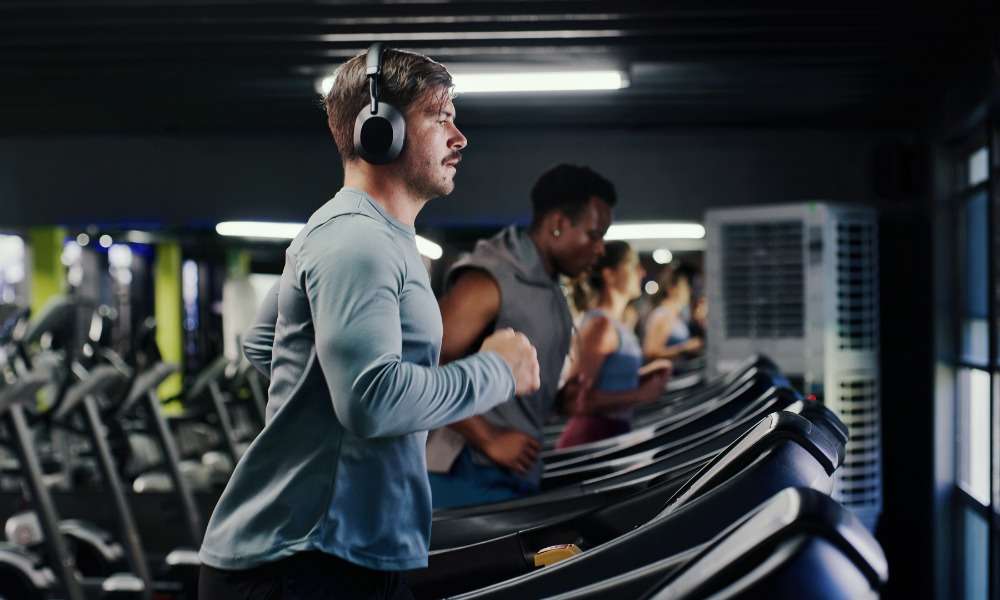
Fatigue changes the technique before users notice it. One of the most important things to understand about the future of AI-integrated cardio equipment is that it offers adaptive training programs. This allows the machine to lower its speed when the user can no longer maintain movement. The adjustment keeps the workout useful without letting fatigue dictate form.
That response can prevent the sloppy foot placement that appears near the end of an interval. The machine acts before the user has to quit. By scaling the effort, the system preserves training value while reducing the chance that poor mechanics turn one difficult minute into a painful week.
Training-Load Tracking Prevents Overuse
Overuse injuries often develop when a person increases their workload faster than the body can recover. Smart platforms compare the planned session with the recent training history. When the system detects an abrupt jump, it can recommend a lighter session before soreness becomes a longer problem.
The software works best when it explains the adjustment instead of hiding it behind a score. A user who sees that the workload rose too quickly can understand why the machine recommends less effort. That context turns the safer choice into informed training rather than an arbitrary limit.
Personalized Limits Catch Problems Generic Programs Miss
Another way smart gym gear may prevent injuries is by focusing on an individual’s limits. Generic plans assume that every user responds to stress in roughly the same way. Smart gear establishes a safer baseline based on the user’s own performance. When the system notices that one side produces less force than usual, it can reduce resistance before the imbalance worsens.
As smart gym gear becomes more responsive, its strongest feature may be its ability to recognize trouble before the user does. That early warning could turn a risky workout into a safer one without taking the challenge out of training.