Choosing upholstery fabric affects how furniture looks and performs over time. Polyester appears on sofas and chairs, along with ottomans and other upholstered pieces, because it offers a practical balance between appearance and everyday usability. Homeowners often compare it with natural materials such as cotton or linen, especially when durability and maintenance matter.
While every fabric has strengths and limitations, polyester can work well in many rooms and lifestyles. In fact, polyester fabric is good for upholstery when you want a material that handles routine wear while remaining relatively easy to care for. Understanding how polyester behaves can help you decide whether it fits your furniture and household habits.
What Is Polyester Upholstery Fabric?
Polyester is a manufactured textile made from synthetic fibers. Manufacturers can weave those fibers in different ways to create upholstery with varied textures and finishes. Some polyester fabrics feel smooth and refined, while others imitate the softer character of natural textiles. This versatility allows furniture makers to use polyester across many design styles without relying on a single look or feel.
Polyester also appears in blended upholstery. A manufacturer may combine it with cotton or rayon to change the fabric’s texture and performance. The exact blend matters because the added material can influence softness, breathability, strength, and cleaning requirements. For that reason, shoppers should evaluate the specific upholstery rather than assuming every polyester fabric will perform identically.
How Durable Is Polyester Upholstery?
The fibers generally handle regular friction well, which makes the material suitable for furniture that receives frequent use. A family-room sofa or dining chair can experience repeated contact every day. Polyester often maintains its structure through routine activity when manufacturers design it for upholstery use.
The material also tends to resist stretching and wrinkling. That stability can help cushions and upholstered surfaces retain a neat appearance. Although no upholstery remains pristine forever, polyester can be a sensible choice for households that want furniture to look polished without constant adjustment.
Why Polyester Works Well in Busy Homes
Busy households often need upholstery that does not demand complicated care. Polyester typically absorbs less moisture than many natural fibers, so spills may remain closer to the surface long enough for prompt cleanup. This characteristic can make everyday maintenance more manageable, although stain resistance varies by weave and any protective treatment applied during manufacturing.
Polyester also dries relatively quickly after appropriate cleaning. That can be helpful on frequently used seating where long drying periods would create an inconvenience. Owners should still follow the furniture maker’s cleaning code because the cushion construction, backing, dyes, or blended fibers may require specific methods.
These practical advantages help explain why synthetic fibers dominate the upholstery industry in many everyday furniture categories. Manufacturers can tailor synthetic textiles for consistent appearance and dependable performance, giving consumers numerous options at different price points.
Is Polyester Upholstery Comfortable?
Comfort depends on more than fiber content. The weave, finish, cushion materials, and furniture construction all influence how a sofa or chair feels. Polyester upholstery can range from crisp and structured to soft and plush. Modern manufacturing techniques can create surfaces that feel inviting rather than noticeably synthetic.
One potential drawback is breathability. Polyester generally does not breathe as freely as many natural fabrics, so some upholstery may feel warmer during extended sitting. This difference may matter in hot climates or rooms without strong temperature control. A polyester blend can sometimes provide a different feel by combining synthetic durability with characteristics associated with another fiber.
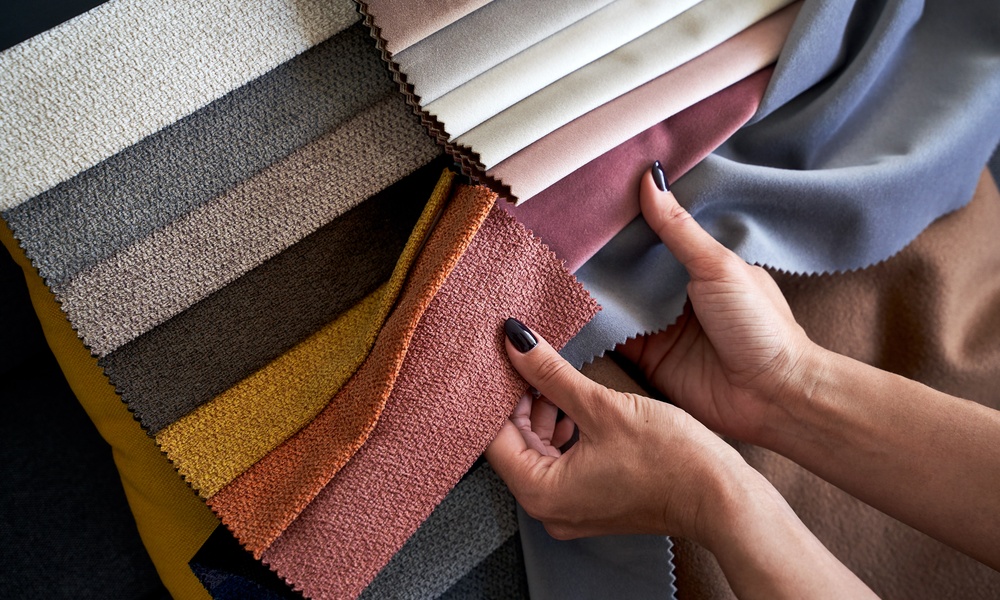
Texture deserves attention as well. Because polyester upholstery comes in many constructions, shoppers benefit from touching a fabric sample before committing to a large piece. A sample can reveal whether the surface feels comfortable against skin and whether its texture complements the intended room.
Does Polyester Resist Fading and Stains?
Polyester generally holds color well, which can help upholstery maintain an attractive appearance. Its fibers respond well to many modern dyeing processes, allowing manufacturers to produce many colors and detailed patterns. This color stability makes polyester appealing for homeowners who want consistent visual impact over time.
However, resistance to fading does not make the material immune to sunlight. Strong, prolonged ultraviolet exposure can affect nearly any upholstery. Furniture placed beside bright windows may benefit from window coverings or thoughtful positioning during the sunniest parts of the day.
Stain performance also requires nuance. Polyester’s lower absorbency can help with some water-based spills, but oily substances may cling to synthetic fibers. Quick attention remains important. Blotting according to the manufacturer’s care instructions is safer than aggressive rubbing, which can spread a stain or alter the fabric’s surface.
What Are the Drawbacks of Polyester Upholstery?
Polyester is practical, but it is not ideal for every preference. Some people favor the breathability or distinctive hand of natural textiles. Lower-quality polyester can also feel less refined, especially when compared with premium upholstery materials. Examining a sample can help separate assumptions about the fiber from the actual quality of a particular fabric.
How To Decide Whether Polyester Fits Your Furniture
Start with how you plan to use the furniture. A frequently occupied sofa needs different performance characteristics than an accent chair that receives occasional use. Consider how often you will use the piece and whether spills are common. Pet habits can matter as well. Then compare those needs with the fabric’s care instructions and construction.
Polyester can support many interior styles, but the weave and finish determine whether a particular option feels appropriate. Look at a generous sample under the room’s actual lighting whenever possible because color and texture can shift throughout the day.
Finally, review the manufacturer’s upholstery guidance. Fiber content alone cannot tell you everything about longevity. Construction quality, abrasion performance, backing, and recommended maintenance can reveal whether a specific fabric suits the demands you expect it to handle. A thoughtful fabric choice can make everyday seating easier to enjoy and maintain.
Is Polyester Fabric Good for Upholstery? The Final Verdict
For many households, polyester offers a useful combination of durability, manageable maintenance, design flexibility, and accessible comfort. It can suit frequently used furniture while retaining a tidy appearance, provided you choose upholstery-grade material and follow the recommended care instructions.
Natural fabrics may appeal more to shoppers who prioritize breathability or a particular tactile quality, while some blends can offer a middle ground. The best choice depends on the room and the way your household uses the furniture. Overall, polyester fabric is good for upholstery when its practical strengths align with your expectations for comfort, appearance, upkeep, and long-term use.