




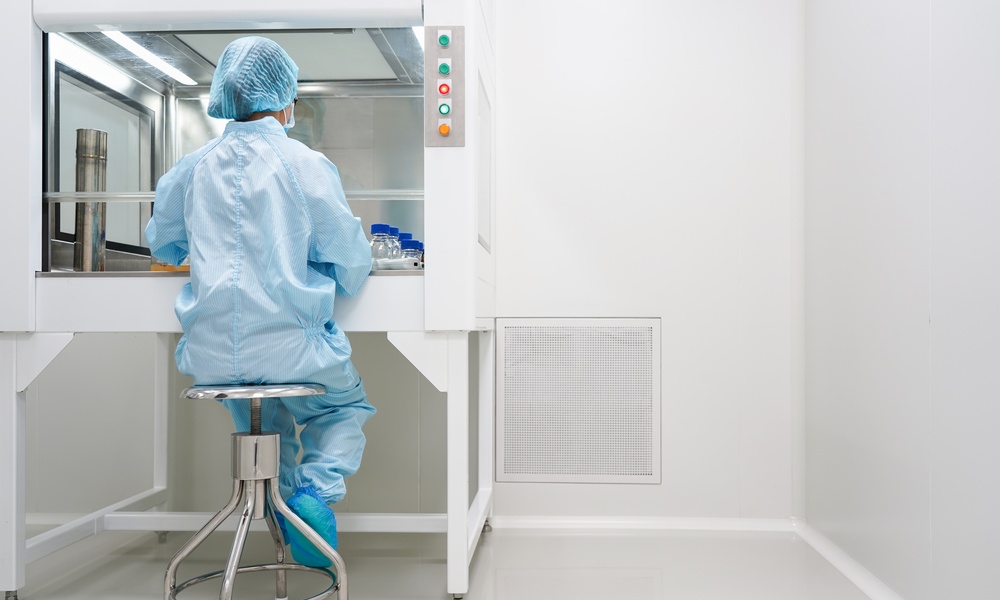
A cleanroom can look nearly empty—the walls are plain, and the lights are bright. Most of the real work happens out of sight. That is the key to understanding why cleanrooms burn through so much energy. The room may seem quiet, but the equipment behind it rarely slows down.
Keeping the Air Moving
In a typical office, ventilation can ease up when fewer people are around. Cleanrooms do not always have that option. Their systems often move large volumes of air for long periods so particles do not settle where sensitive work takes place.
The room may look calm, but the fans are still putting in a full shift behind the walls.
Pushing Air Through Dense Filters
Air does not pass through high-efficiency filters without resistance. Fans must work harder to move it through material designed to trap particles too small to see.
As filters collect debris, that resistance can increase. Regular maintenance helps prevent avoidable strain, but even a clean filter creates more work than the one in a typical home furnace. Microscopic contamination is a tougher opponent than household dust.
Meeting Tighter Cleanroom Standards
Not every cleanroom has the same requirements. The mechanical load depends partly on how clean the air must remain and how much air the system needs to circulate.
Cleanroom class ratings matter because tighter particle limits can call for more filtration and stronger air movement. A space built for highly sensitive manufacturing may place far more demand on its HVAC system than a room with less restrictive standards.
Controlling Temperature and Humidity
Moving filtered air is only part of the job. The system may need to heat or cool that air while equipment and people add warmth to the room. It may also need to add or remove moisture.
Outdoor conditions can raise the workload further. The goal is not simply to keep people comfortable. The room must stay within a narrow operating range, even when the weather refuses to cooperate.
Cutting Waste Without Cutting Corners
A well-designed cleanroom can still use a substantial amount of energy. Efficiency means avoiding wasted effort, not eliminating the work needed to protect the process.
Thoughtful controls and proper maintenance can keep consumption from climbing unnecessarily. Even so, cleanrooms burn through so much energy because they must manage their air constantly. An ordinary office with a few ceiling vents is playing a very different game.
Paying the Price for Clean Air
Once the hidden equipment enters the picture, the power demand makes more sense. A cleanroom may look simple from the inside, but keeping its air clean and stable is a full-time mechanical job.
About The Author

Got a Questions?
Find us on Socials or Contact us and we’ll get back to you as soon as possible.