Vacations bring new places, new routines, and plenty of close contact with other people. Kids may share pillows with cousins, lean together during games, swap hats, or crowd into the same back seat for hours. Once your family gets home, you may focus on laundry, unpacking, and returning to the usual schedule. A lice check deserves a place on that post-trip list.
You don’t need special training to inspect your child’s scalp. With good lighting, a fine-toothed lice comb, and a patient approach, you can spot a problem early. For dads, a quick check after a busy trip can prevent a small issue from spreading throughout the household. Here’s how to check your child for lice after vacation.
Set Up the Check
Choose a bright spot where you can clearly see your child’s scalp. Natural light near a window works well, but a bright lamp can also give you a clear view. Have your child sit somewhere comfortable so you can move around the head without rushing.
Keep a lice comb, a regular comb, hair clips, tissues, and paper towels nearby. Clips can help you separate long or thick hair and mark where you’ve already checked. Damp hair can also make the process easier because the strands stay together as you work.
Know the Signs
Head lice live close to the scalp and move quickly through the hair. Adult lice can appear grayish, tan, or brown. Because they move quickly, you may notice nits before spotting a live louse.
Nits look like tiny oval specks that cling to individual hair shafts. You’ll often find them near the scalp, especially behind the ears and at the nape of the neck. Dandruff and lint may look similar at first, but those loose particles usually brush away. Nits adhere tightly to the hair.
Watch for scalp irritation as well. Scratching, small red spots, or complaints of a tickling sensation can point you to an area that needs closer attention. Some children don’t itch right away, so don’t rely on scratching as your only clue.
Start Behind the Ears
Begin behind one ear and slowly work across the scalp. Then check behind the other ear and move toward the back of the neck. Lice often stay near warm areas close to the scalp, so these areas deserve extra attention.
Part the hair into small sections rather than scanning the whole head at once. Clip each section aside while you inspect the roots and nearby hair shafts. Move slowly enough to notice tiny insects or specks clinging to the hair.
If your child has curly, thick, or long hair, use smaller sections. The extra patience helps you avoid missing anything hidden under dense layers. If you rarely handle long hair, clips can make the process much easier.
Use a Lice Comb
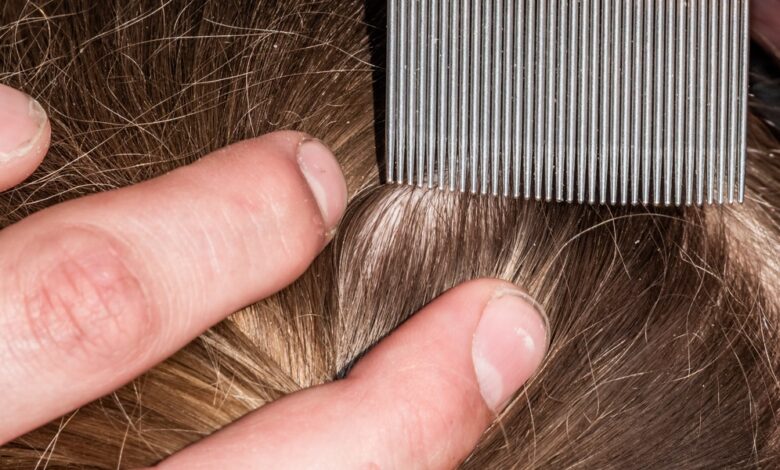
A lice comb can catch live lice and reveal nits that your eyes might miss. Place the comb close to the scalp and pull it through the full length of the hair. After each pass, wipe the comb on a white tissue or paper towel and inspect anything that comes off.
Work through one small section at a time and repeat each pass a few times. Look for anything that moves or resembles a tiny insect. If you hit knots, use a regular comb first. Gentle combing keeps your child comfortable and helps you stay thorough.
Think About the Trip
Your child’s vacation activities can help you gauge how closely to check. Sleepovers with cousins, camps, team travel, shared hotel rooms, and extended periods of close play can increase the likelihood of head-to-head contact. Lice can’t jump or fly, but they can crawl from one person’s hair to another.
Shared hats, brushes, hair accessories, and pillows may also deserve attention. Families often focus on preventing head lice on vacation before leaving home, but a careful check after the trip gives dads another opportunity to catch lice before they spread.
Don’t Wait for Scratching
Many parents check for lice only after a child starts scratching. That approach can delay detection because some children don’t react immediately. Others may scratch due to sweat, dry skin, sunscreen, or product buildup after traveling.
Use itching as one clue rather than your sole test. A careful visual inspection and comb-through will tell you much more. If your child reports a crawling or tickling sensation, take the complaint seriously and check the scalp closely.
If you find lice on one child, check siblings as well. Children in the same household often sit close together, share couches, or sleep near each other on family trips.
Take Action Calmly
If you find a live louse, stay calm and focus on the next step. Talk with your child’s pediatrician or pharmacist if you need help choosing an age-appropriate treatment. If you only spot specks that might be nits, ask for help confirming what you found before starting treatment. Follow the label directions closely, and never use more product than the manufacturer recommends.
Use a lice comb to remove lice and nits. Work through small sections, clean the comb after each pass, and repeat the process as the treatment directions recommend.
Wash pillowcases, sheets, hats, and clothing that have recently touched your child’s head. Clean combs and brushes before anyone uses them again. You don’t need to throw away belongings or deep-clean every room. Focus on items that have had recent contact with the head.
Check Again Later
One clear check after vacation can give you peace of mind, but a second check can help you catch anything you missed. Tiny nits can blend into light-colored hair or hide in thick sections.
Check the scalp again a few days later if your child had close contact with other children during the trip. Use the same bright lighting, small hair sections, and lice comb. Repeating the same method makes it easier to notice new signs.
Keep It Low-Key
Kids can feel embarrassed if parents treat lice as a sign of poor hygiene. Lice can spread among children regardless of how often they wash their hair, so keep the conversation relaxed and practical.
Tell your child you’re checking because kids spent a lot of time close together on the trip. Avoid turning the moment into a lecture. A calm approach can make future checks easier and reduce unnecessary embarrassment.
Dads can also use the moment to teach simple habits. Encourage kids to keep personal brushes, hats, and hair accessories to themselves when possible. Remind them to limit prolonged head-to-head contact during games, photos, or sleepovers without making them afraid to play with friends.
Finish the Trip With a Smart Habit
Unpacking after vacation may feel more urgent than checking your child’s scalp for lice, but a few careful minutes can save your family frustration later. A bright light, a lice comb, and a systematic approach can help you catch lice before they spread to siblings or other relatives.
Vacations should end with good memories and an easy return to normal life. A simple post-trip lice check gives dads one practical way to protect the household without turning the process into a stressful event.