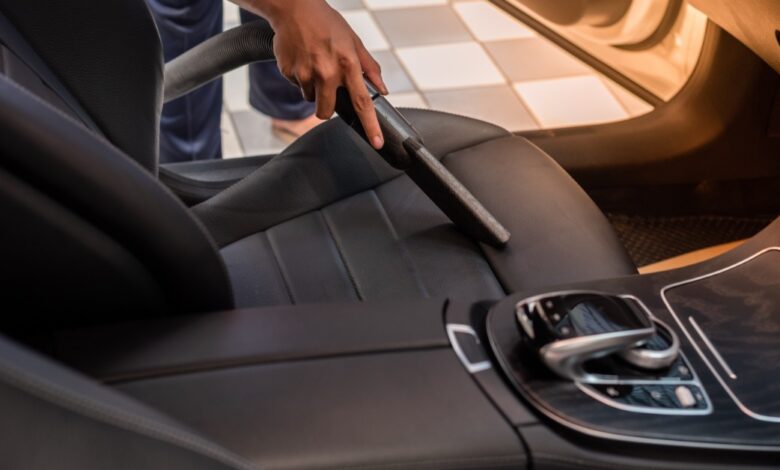
A vehicle can look spotless from the outside while hiding an entirely different environment inside. Every drive introduces new contaminants into the cabin, from dirt tracked in on shoes to food particles dropped between the seats. Add moisture, changing temperatures, pets, passengers, and everyday contact, and the interior can become surprisingly difficult to keep fresh.
Understanding the sources of dirt, bacteria, and odors inside your vehicle can make routine cleaning more effective. Instead of waiting until stains appear or unpleasant smells become obvious, drivers can focus attention on the places and habits most likely to create problems.
What You Bring In on Your Shoes
One of the biggest sources of interior grime is also one of the most unavoidable: footwear. Shoes pick up soil, dust, sand, road salt, moisture, grass, and countless other substances before passengers ever enter a vehicle. Once inside, these materials collect on floor mats and carpeting.
Floor mats provide some protection, but dirt can easily spread beyond their edges. Fine particles work their way into carpet fibers, while moisture can soak into fabric surfaces. During winter, road salt and slush may leave stubborn residue that becomes more difficult to remove over time.
Regular vacuuming and occasional deeper carpet cleaning help prevent this material from accumulating. Cleaning underneath removable mats is equally important because dirt often settles in areas that are rarely visible.
Hands Leave More Behind Than You Think
Drivers and passengers repeatedly touch many of the same surfaces. Steering wheels, door handles, seat belt buckles, touchscreens, climate controls, gear selectors, and window switches receive constant contact.
Natural skin oils, sweat, food residue, lotions, and other substances gradually build up on these surfaces. Although the accumulation may not be immediately visible, high-touch areas can become grimy surprisingly quickly.
This is why wiping down the dashboard alone is not enough. Understanding which interior car parts should be cleaned regularly can help drivers pay attention to frequently handled areas that might otherwise be overlooked.
Food and Drinks Create Lasting Problems
Eating in a vehicle is convenient, especially during long commutes or road trips, but even careful passengers can leave traces behind. Crumbs fall into seat seams, under floor mats, around the center console, and between seats. Sugary beverages can leave sticky residue after even a minor spill.
The visible mess is only part of the issue. Organic material trapped in warm, enclosed spaces can contribute to unpleasant odors. Spilled milk, coffee, juice, or other beverages may soak into upholstery or carpeting, creating smells that ordinary surface cleaning cannot eliminate.
Addressing spills quickly makes a significant difference. Blotting moisture and properly cleaning the affected material before it penetrates deeply can reduce staining and lingering odors.
Moisture Creates the Right Conditions for Odors
Water itself does not necessarily smell bad, but trapped moisture can create conditions that allow musty odors to develop. Wet shoes, damp clothing, umbrellas, spilled drinks, and open windows during rain can all introduce moisture into a cabin.
Problems become more likely when that moisture reaches carpeting, upholstery, or padding and cannot dry quickly. Vehicles are frequently closed for hours at a time, limiting airflow and creating an environment where damp materials remain wet.
A persistent musty smell should therefore be investigated rather than simply covered with an air freshener. Finding the moisture source and allowing affected materials to dry thoroughly is more effective than masking the resulting odor.
Pets Introduce Hair, Dander, and Outdoor Debris
Dogs and other pets bring another collection of contaminants into a vehicle. Hair may be the most noticeable, but pets can also introduce dirt, moisture, plant material, and odors. After walking through grass, mud, or rain, much of that material can end up on seats and floors.
Pet hair presents a particular cleaning challenge because it can become embedded in fabric upholstery and carpeting. Regular vacuuming helps, but removing hair before it accumulates heavily is generally easier.
Washable seat covers or cargo liners can also simplify cleanup for people who frequently travel with animals. Cleaning these protective surfaces regularly helps prevent dirt and odors from becoming embedded in the vehicle itself.
Air Vents Can Circulate Dust Through the Cabin
Not every contaminant enters through an open door. The vehicle’s ventilation system continuously moves air through the cabin, and dust can gradually settle around vents and nearby dashboard surfaces.
Cabin air filters are designed to capture many airborne particles before they enter the passenger compartment. However, filters become less effective as they collect debris. A neglected filter may also contribute to reduced airflow or unpleasant smells from the ventilation system.
Drivers should follow the vehicle manufacturer’s recommendations for inspecting and replacing cabin air filters. Conditions matter as well. People who frequently drive on dusty roads or in areas with heavy airborne debris may need more frequent attention.
Seat Crevices Become Collection Points
The narrow spaces around and underneath seats are remarkably effective at hiding debris. Coins, crumbs, hair, dust, wrappers, and other small objects can disappear into these areas for months.
Because these spaces receive little airflow and are difficult to see, organic debris can remain unnoticed until it begins producing an odor. The problem can be especially frustrating when the source of a smell is hidden beneath a seat or deep inside a seat track.
Using vacuum attachments designed for narrow spaces can make routine cleaning much more effective. Moving adjustable seats through their full range can also reveal areas that are normally inaccessible.
Children Can Multiply Interior Messes
Family vehicles often face an especially demanding interior environment. Snacks, drinks, toys, muddy shoes, sports equipment, and school supplies can introduce dirt almost daily. Car seats may also hide crumbs and spills that are not obvious during normal use.
Cleaning around child safety seats requires particular care. Vehicle owners should follow the car seat manufacturer’s cleaning instructions rather than applying strong chemicals or soaking components that are not designed for it.
Periodically removing permitted detachable items for cleaning can reveal surprising amounts of debris. It also provides an opportunity to clean the vehicle seat and surrounding areas that are normally covered.
Consistent Cleaning Prevents Bigger Problems
Keeping a cabin clean does not require constant detailing. Consistency is usually more valuable than occasional intensive cleaning. Removing trash, vacuuming floors and seats, wiping high-touch surfaces, addressing spills promptly, and checking hidden areas can prevent contaminants from building up.
Cleaning methods should also match the material. Leather, plastic, fabric, screens, carpeting, and other surfaces can have different care requirements. Using inappropriate products can leave residue, cause discoloration, or damage protective finishes.
Once drivers recognize the sources of dirt and odors inside your vehicle, interior maintenance becomes less about reacting to obvious messes and more about controlling the small problems that create them. A cleaner cabin can feel more comfortable, smell fresher, and remain in better condition as the miles add up.