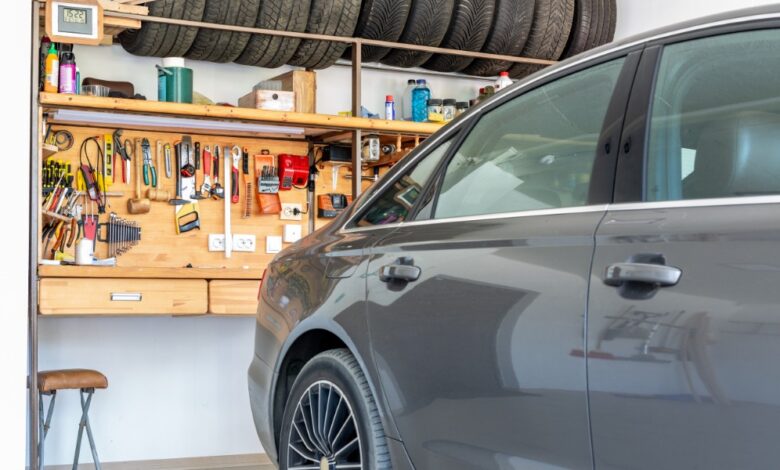
Most home garages do not become workshops through one dramatic renovation. They evolve as the projects get harder, and the old setup starts making straightforward jobs unnecessarily frustrating. Crawling across concrete loses its charm once repairs regularly require access beneath the vehicle, and hunting for misplaced tools can consume more time than using them. Recognizing when your home garage becomes a real workshop comes down to whether the space supports the automotive work you want to tackle without creating new obstacles at every stage.
Your Projects Start Dictating the Space
A basic DIY setup can handle oil changes and other routine maintenance without much specialized infrastructure. More ambitious repairs change the equation because the vehicle itself may consume most of the available working area, leaving little room to maneuver once parts start coming off.
The transition toward a workshop begins when upcoming projects influence how you arrange the garage. Someone doing regular suspension work needs clear space around the vehicle, whereas electrical troubleshooting benefits from a dedicated area for diagnostic equipment. Planning around those differences creates a workspace shaped by actual automotive work instead of whatever arrangement happened to fit when you moved in.
Better Lighting Changes How You Work
A ceiling fixture may provide enough illumination for parking, but automotive work quickly exposes the limitations of general-purpose garage lighting. Shadows underneath a vehicle can hide the source of a leak or make it harder to inspect components without constantly repositioning a flashlight.
Start by making the main work area consistently bright, then use movable lighting when a project takes you underneath the car or deep into an engine bay. The useful upgrade is not simply having more light. It is being able to put that light where the current job requires it, preferably without holding a flashlight between your teeth.
Electrical Capacity Has To Keep Up
Garages designed primarily for parking may have only modest electrical capacity because nobody expected them to function as serious workspaces. The arrangement can become restrictive once power tools enter regular use, particularly if several pieces of equipment depend on the same circuit.
Before adding equipment with substantial electrical requirements, check whether the existing system can safely support it. Outlet placement deserves similar attention because a workshop becomes harder to navigate when extension cords constantly cross the working area. If upgrades are necessary, a qualified electrician can determine what the garage needs based on the equipment you intend to operate rather than assumptions about what an existing outlet can handle.
Vehicle Access Changes Which Repairs Make Sense
Plenty of automotive maintenance can happen with a floor jack and properly placed jack stands. As repairs become more involved, however, repeatedly setting up limited underbody clearance can make access consume a disproportionate share of the project.
Greater access is one reason serious DIY mechanics use 2-post car lifts when their garages and project demands support that type of equipment. Raising the vehicle can make underbody work more accessible while leaving room around the wheels for jobs that require them to come off. A lift still must suit the garage itself, so anyone considering one needs to verify the manufacturer’s requirements and determine whether the existing structure can accommodate the installation. The goal is not to make a home garage resemble a commercial shop. It is to remove an access limitation that has started restricting the work you regularly perform.
Tool Storage Should Follow Your Workflow
Tool collections have a habit of expanding long before the garage develops a sensible place to put everything. What begins as one toolbox can gradually spread across whatever storage happens to be available, until starting a repair requires remembering which drawer became the unofficial home of a particular socket.
Keep the tools you reach for during most automotive jobs within convenient reach of the main work area, while specialty equipment can occupy secondary storage without disrupting your routine. Organizing the garage around how frequently you use each tool reduces unnecessary movement and makes missing equipment easier to notice before it disappears into the depths of the workshop.
A Workbench Takes Repairs Away From the Car
As automotive projects become more involved, removing a component from the vehicle may be only the beginning of the work. Parts may need closer inspection before reinstallation, while working on smaller assemblies beside the car can leave you without enough room to position them properly.
A dedicated workbench creates a stable area for those tasks without forcing nearby storage to double as a temporary work surface. Usable placement matters more than sheer size because an oversized bench can interfere with movement around the vehicle bay. Choose enough surface area for the components you typically handle, then position the bench where you can work comfortably without sacrificing valuable floor space. Keeping bench work separate from the vehicle also prevents removed parts from spreading into the area where the rest of the repair needs to happen.
Project Control Matters More Than Spotlessness
Automotive projects naturally leave behind grime and removed components, but the workspace becomes harder to manage when an unfinished repair spreads beyond its immediate work area. Hardware can disappear beneath unrelated equipment, while parts left without labels may become difficult to identify when a project stretches across several days.
Keeping each active repair contained prevents that disorder from interfering with the work still ahead. Store removed hardware in a consistent location and move unrelated components away from the immediate work zone, so they do not become mixed with the current project. Cleaning spills as they happen keeps the floor usable without requiring a complete reset at the end of every work session, making it much easier to resume a weekend repair that unexpectedly turns into a two-week project.
Choose Upgrades That Remove Real Limitations
The internet makes it exceptionally easy to picture a dream workshop filled with equipment that looks impressive in somebody else’s garage, even when much of that gear would add little value to your own projects. Before buying another upgrade, consider which recurring problem it would solve and whether that improvement justifies the space the equipment will occupy.
Paying attention to the frustrations that repeatedly interrupt your work can make those decisions much easier. Poor visibility may deserve attention before another specialty tool, while limited vehicle access can become the greater constraint once underbody repairs become routine. Choosing upgrades around problems you encounter keeps the garage functional as your capabilities grow, with equipment that supports the work you perform.
Let the Workshop Grow With Your Skills
A home garage becomes more capable when its evolution follows the person working inside it. Early projects reveal what the existing space does well, while increasingly ambitious repairs expose limitations that were irrelevant when the biggest weekend job involved changing the oil.
Knowing when your home garage becomes a real workshop gives those upgrades a purpose beyond making the space look more professional. Build around the work you currently perform, then leave enough flexibility for the projects you want to attempt next. The garage does not need every feature found in a professional repair facility. It needs to make your own work easier without getting between you and the reason you started turning wrenches at home.