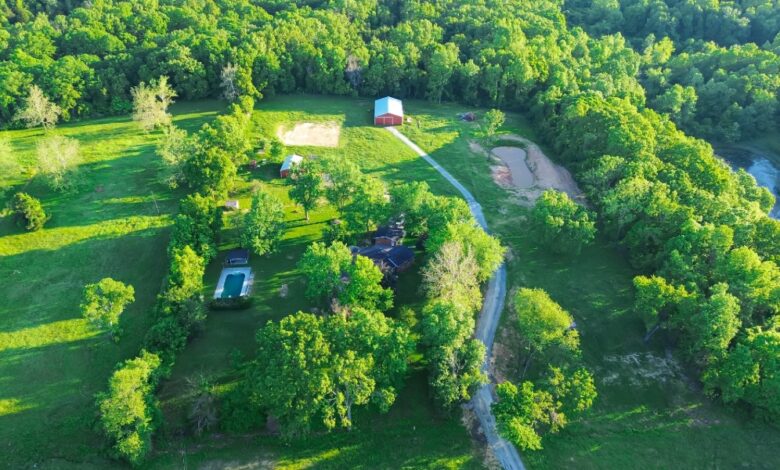
A driveway gets you home, but it does not always get a trailer to the equipment shed. It may not reach the back fence or the tree that came down during last night’s storm, either. On a large property, the work often begins where the driveway ends. That is why your property needs more than a driveway; it needs a service route.
Think of a service route as a path that stays ready for the people and equipment that use the land. Depending on the property, it might be a gravel lane or a maintained strip of grass. If reaching the shed feels like an off-road side quest, the property probably needs a better route.
Look Beyond the Driveway
Most driveways connect a public road with a house or garage. They are not always positioned to support the rest of the property. A barn or well may sit beyond the driveway’s useful reach. A drainage outlet may be far away, too. The same can be true of a remote gate or woodpile.
A service route connects those working areas without requiring a new road to every destination. One main path can branch toward frequently visited locations while staying away from gardens and soft soil. The goal is not pavement. It is predictable access.
That access matters most when the job involves more than a person carrying a hand tool. A tractor needs firm ground, and a trailer needs room to turn. Service crews also need directions that are more precise than saying, “head past the big tree and turn near the other big tree.”
Map the Places That Keep the Property Running
Planning starts with destinations rather than paths. Mark the places that need routine attention, beginning with equipment storage and utility connections. These points become the nodes in the property’s working network.
Next, trace how people and machines already move between them. Tire marks and worn grass can show which routes are useful. Repeated detours can also reveal which paths only looked convenient on paper. A route that works in August may become a mud trap in March, so observations from different seasons matter.
The best layout usually serves several destinations with one dependable spine. Short branches can handle less frequent stops. This reduces the amount of land devoted to traffic and keeps maintenance focused on the route that delivers the greatest practical value.
Plan Around the Largest Regular User
A comfortable walking path can be a terrible equipment route. Before finalizing a plan, consider the largest machine likely to use it regularly. That might be a tractor with an attachment or a utility vehicle. If trailers or contractor trucks will use the path, account for them before the route is established.
Look beyond basic width. Gates must open far enough, and turns must accommodate whatever the vehicle is towing. Keep branches above cabs and equipment. Dead ends also need a safe way to turn around. Backing a trailer along a narrow path is rarely the kind of outdoor recreation anyone had in mind.
Ground conditions matter just as much as clearance. Repeated traffic can compact soil and deepen ruts. It may also damage nearby roots. When the route crosses ground that is steep or persistently wet, a qualified local contractor can recommend an appropriate surface and drainage approach.
Protect the Route From Water
Water has a talent for finding the one section of a route that was supposed to stay dry. Runoff can cut across a slope and collect in low areas. From there, it may soften the shoulder or turn shallow tire tracks into lasting ruts. A route that ignores water will eventually become a drainage feature, whether the owner planned one or not.
Walk the proposed path shortly after heavy rain. Pooling water and washed sediment can reveal problems that disappear during dry weather. Exposed roots may point to erosion, while a leaning fence post can signal shifting soil. Whenever possible, keep the route on naturally stable ground. Direct runoff away from buildings and wells. Do not send it toward neighboring property.
Minor maintenance may involve clearing leaves from an existing culvert or removing debris that redirects water. Bigger grading or drainage changes deserve professional guidance and may require local approval. A service route should make the property easier to manage, not introduce an ambitious new erosion project.
Add a Simple Digital Layer
A service route does not need a command center, but a phone can make it much easier to manage. Start with a satellite image or mapping app. Mark important destinations and gates first. Then add difficult turns and seasonal trouble spots. GPS pins are particularly useful for features that are hard to see from the route.
Dated photographs create a simple condition log. Taking the same pictures after major storms or at the start of each season makes changes easier to spot. Calendar reminders can cover trimming overhead growth and checking gates. A separate reminder can prompt inspections after heavy rain.
A shared map can also help household members, contractors, and service technicians navigate without guesswork. It is the low-budget version of a property management system: fewer sensors and flashing dashboards, but considerably less wandering around while pretending to know where the wellhead is.
Keep One Route Ready in Every Season
The most carefully planned path is only useful while it remains passable. Fallen limbs and encroaching brush can gradually turn reliable access into another weekend project. Ruts and soft ground may create another set of problems. A loose gate can stop the trip altogether. Seasonal inspections help catch those changes before equipment is already waiting at the obstacle.
A service route only works when it remains passable, so keeping one dependable route clear year-round makes inspections easier and keeps equipment moving after storms.
Prioritize the main route before maintaining optional paths. Clear debris and address small drainage problems before working elsewhere. After severe weather, check the route before sending heavy equipment across it. A quick walk can reveal saturated soil, washouts, or hidden branches that are much easier to handle without a tractor stuck beside them.
Make the Property Easier To Run
When a property has a dependable service route instead of relying on the driveway alone, routine work gets easier. The route quietly connects the places that keep the property operating while reducing unnecessary detours and repeated ground damage. It also keeps small access problems from becoming last-minute obstacles.
Start by mapping the destinations that matter most, then build one reliable connection between them. Add a simple digital layer and inspect the route through the seasons. From there, let the route do what good infrastructure does best: work so consistently that nobody has to think about it.