
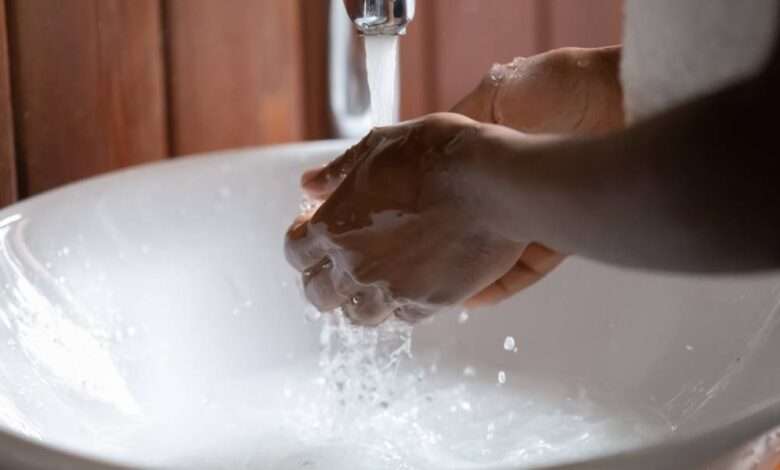
Notice your dishes have cloudy spots or your skin feels dry after a shower? You might have hard water. Hard water contains high levels of dissolved minerals like calcium and magnesium, which can cause annoying issues around the house.
Before you invest in a water softener, you can confirm your suspicions with a few easy checks. Performing the following simple home tests to check for hard water problems can save you time and lead to a more comfortable home experience.
Use a Clear Bottle and Soap
The simplest way to test if you have hard water is by using the clear bottle and soap method. To get an accurate answer, you should:
- Find a clean, clear bottle with a secure cap. An old water bottle works well.
- Fill it about one-third full with tap water.
- Add about 10 drops of pure liquid soap, like Castile soap. Avoid detergent-based soaps, as they have chemicals that produce suds regardless of water hardness.
- Shake the bottle vigorously for about 15 seconds.
Now, observe the results. If you have soft water, you will see a healthy amount of fluffy suds on top with clear water underneath. If you have hard water, the water will appear cloudy, and you will see minimal, filmy suds. The minerals in hard water react with the soap to form a precipitate, or soap scum, instead of lather.
Look for Signs of Soap Scum
You do not always need a specific test to spot hard water; sometimes, the evidence is right in front of you. Check your bathtubs, shower doors, and sinks for a white, filmy residue. This soap scum builds up because hard water minerals prevent soap from dissolving completely. If you constantly battle this film, hard water is likely the culprit.
Check Your Dishes and Glassware
Take a look at your glasses and silverware after they come out of the dishwasher. Do they have white spots or a cloudy film that will not rinse away? These are mineral deposits left behind as the hard water evaporates. While not harmful, these spots can make your clean dishes look dirty.
Notice Your Laundry and Fabrics
Hard water also affects your laundry. The minerals can leave deposits in the fibers of your clothes, making them feel stiff and scratchy. Colors may fade faster, and whites can turn a dingy gray or yellow over time. If your towels have lost their softness, hard water could be the reason.
Inspect Your Appliances and Fixtures
Examine the fixtures in your home, especially showerheads and faucets. Hard water leaves behind a crusty, white buildup called limescale. This scale can clog pipes and reduce water flow. It also lowers the efficiency of water-using appliances like your water heater, coffee maker, and dishwasher, potentially leading to costly repairs.
Performing easy home tests to check for hard water is the first step toward protecting your appliances. If these tests suggest a hard water problem, homeowners might want to consider installing a water softener.
You’ll notice softer skin, cleaner dishes, and more efficient appliances. Having a solid grasp of what to look for when buying a water softener can help you pick a system that prevents this kind of damage. Take control of your water today.