




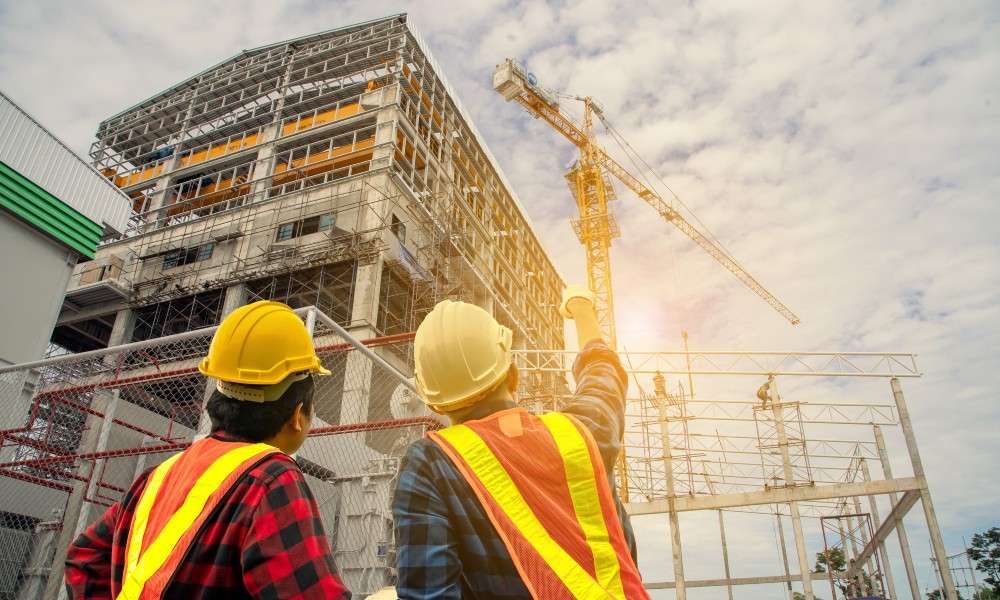
We all know the Leaning Tower of Pisa looks great on a postcard, but let’s be honest, nobody wants their skyscraper to be the next tourist attraction for all the wrong reasons. That is why figuring out how to ensure stability in large-scale construction stands as the single most critical phase of any project.
You cannot just slap some bricks together, cross your fingers, and hope the wind doesn’t blow too hard. Let’s take a look at some critical steps in construction.
It Starts in the Dirt
Before you even think about pouring a footer, you have to know what is happening underground. You wouldn’t build a castle on a swamp, and you shouldn’t build a high-rise without a comprehensive geotechnical report.
Therefore, get your geotech engineers out there to perform standard penetration tests, cone penetration tests, soil boring samples, and groundwater analysis. Moreover, identifying potential issues such as liquefaction or expansive clay early saves you from costly retrofits later.
Going Deep with Foundations
Once you know the dirt is questionable, you likely need to go deep. Shallow footings are fine for a shed, but a fifty-story tower needs something with a bit more grip. Consequently, you will probably look at driven piles, drilled shafts, micropiles, or continuous flight auger piles to transfer loads to competent strata.
This is where adhering to best practices for deep foundation construction becomes non-negotiable. You need to verify skin friction and end bearing through load testing. If the foundation fails, the whole project is a write-off.
Watch Your Materials
Even the best design fails if your materials are not up to standard. You can calculate load paths all day, but if the concrete is mostly sand and water, you are in big trouble. Rigorous quality control measures must be in place for every truck that rolls onto the site. You need to constantly monitor concrete slump, air content, compressive strength cylinders, and aggregate gradation.
Don’t forget the steel, either. Make sure to verify mill certs for your structural steel, check weld quality, inspect bolt torque, and measure galvanization thickness as daily requirements.
Time to Build Big
Building big is an exercise in managing chaos and resisting gravity. It takes a village of engineers, architects, contractors, and inspectors to pull it off without a hitch. By focusing on the soil, the foundation, and the materials, you stack the deck in your favor.
Remember, gravity never takes a day off, so neither can your quality control. If you follow these rules and keep your wits about you, you will know exactly how to ensure stability in large-scale construction projects. Go build something that stays vertical, keeps the occupants safe, and makes you proud to put your name on the plaque.
About The Author

Got a Questions?
Find us on Socials or Contact us and we’ll get back to you as soon as possible.