A high odometer reading doesn’t mean your car needs to look worn out. Plenty of older vehicles still run well, yet years of road grime and daily use eventually show on the surface. However, replacing a solid car simply because the exterior looks tired rarely makes financial sense.
If you’re considering smart appearance upgrades for high-mileage cars, start by assessing your car’s current condition. Spend money where the change feels intentional and holds up under regular driving conditions. Aim for a cleaner, sharper version of the vehicle you already enjoy!
Start With a Full Condition Check
Before you buy parts or book cosmetic work, inspect the entire car. A fresh set of wheels won’t distract from peeling clear coat forever. Likewise, expensive paint protection makes little sense on a finish already damaged by neglect.
Decide What Deserves Money First
Walk around the car in daylight and note what catches your eye for the wrong reason. Then separate ordinary aging from issues worth correcting.
Look for:
- Deep scratches that reach beyond the clear coat
- Faded or oxidized paint
- Cloudy exterior lights
- Damaged wheel finishes
- Worn exterior trim
- Window tint showing signs of failure
Rank those issues before you shop for upgrades. This step prevents a Saturday-night parts order from turning into a Monday-morning regret.
Correct Paint Before Adding Protection
Correction often benefits older paint more than another cosmetic accessory. Swirl marks and light oxidation make a car look older than the mileage alone suggests. Wash and correct the paint to restore depth without changing the original finish.
Address more serious damage with a different approach. Touch up chips around the hood or bumper before you apply any protective layer. If you see larger sections of failing clear coat, hire a professional! Covering damaged paint rarely solves the underlying problem.
Protect High-Impact Exterior Areas
Daily driving exposes certain sections of a car to more abuse than others. The front bumper takes repeated hits from road debris, while hood edges often collect chips over years of highway use. Some appearance upgrades that offer long-term benefits focus on protecting those vulnerable surfaces rather than changing the car’s design.
Apply paint protection film to areas that face frequent road debris. Use ceramic coatings to simplify routine cleaning and add another layer between the finish and everyday contamination. This process protects the areas that take the most punishment while you properly maintain the rest.
Give Worn Wheels a Second Look
Wheels make a surprising difference once the body looks clean again. Years of curb contact and old finish damage often leave otherwise decent wheels looking rough.
You don’t always need to replace your wheels. Refinish factory wheels to get cleaner results while preserving the car’s original proportions. This route also serves owners who prefer an understated look.
If you want new wheels, resist the urge to chase size alone! Oversized wheels sometimes make an older daily driver less comfortable while increasing tire costs. Choose a setup suited to the way you use the car.
Keep the Build Cohesive
A good-looking older car usually follows one visual direction. The wheels should complement the body rather than compete with every other detail. Adding subtle changes often age better than aggressive trends.
Refresh Exterior Trim and Lighting
Black plastic trim fades slowly enough for owners to stop noticing. Then someone parks a newer version of the same car nearby, and suddenly every gray plastic panel becomes impossible to ignore.
Use a trim restoration product to improve lightly faded surfaces. Replace severely damaged pieces if needed. Either approach brings definition back to the exterior without changing the original styling.
Give cloudy headlights attention, too! Clear lights sharpen the front end and improve nighttime visibility, which makes this cosmetic job practical as well.
Consider Window Tint With Daily Use in Mind
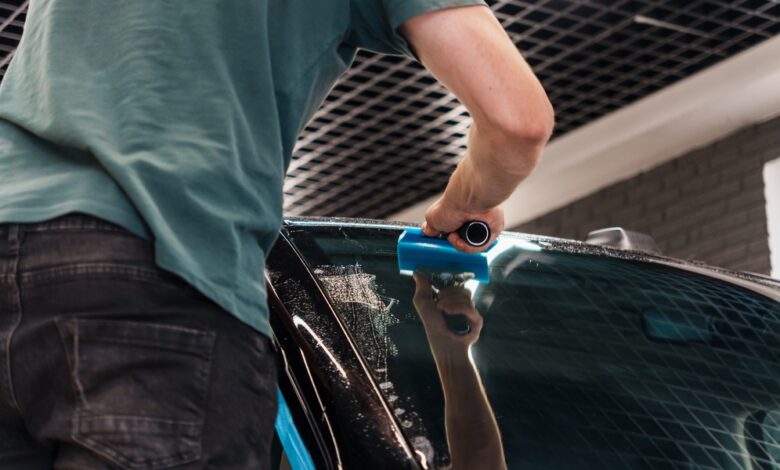
Window tint changes the visual balance of a vehicle without requiring a dramatic modification. A clean installation often makes an older car feel more finished, especially when worn or bubbling tint already dates the exterior. Choose tint based on comfort and legal limits rather than darkness alone.
Professional tint also suits drivers who spend long stretches commuting in bright conditions. If you use your car as daily transportation rather than a weekend toy, upgrade it to improve everyday ownership instead of just making it look good in parking-lot photos.
Bring the Interior Up to the Same Standard
A clean exterior loses some impact when the cabin looks ten years older. High-mileage interiors often show wear on the surfaces drivers touch every day. Steering wheels become shiny, and floor mats collect years of abuse. Start with a thorough detail before replacing anything. Deep cleaning often reveals which pieces still have plenty of life left! Then address the areas where wear remains obvious.
Choose Upgrades Around How Long You’ll Keep the Car
Let your ownership plans influence every cosmetic decision. If you expect to trade the car next year, major appearance work might return little value. Basic correction and maintenance often make more sense. Long-term owners have more room to invest in protection. If you plan to drive another 80,000 miles, protect the paint today. The same logic applies to quality tint or wheel refinishing!
Know When to Stop Modifying
One of the smartest upgrades is leaving certain parts alone. Older cars often look best when modifications feel deliberate rather than endless. Make sure every new piece has a reason for being there.
Before buying another cosmetic part, ask whether the car needs improvement or whether the shopping habit has taken over. A clean factory-style appearance often holds up better than layers of unrelated modifications.
High mileage already gives the car some history. You don’t need to hide every sign of age! Keep the vehicle cared for and visually consistent.
Make the Miles Look Well Earned
Older cars don’t need to look disposable. Good maintenance and selective cosmetic work make a dependable vehicle feel worth keeping. Start with worn areas you notice every day, then protect the parts most exposed to future damage.
When you plan smart appearance upgrades for high-mileage cars, choose changes that suit how you drive and how long you expect to own the vehicle. A cleaner finish, refreshed details, and thoughtful protection give an older car a more intentional look without pretending the odometer stopped years ago.