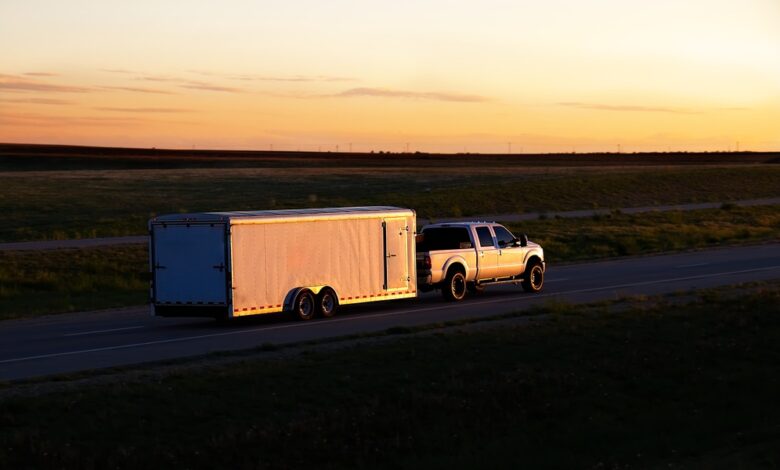
Trailers are built to handle demanding work, but durability can sometimes create a false sense of security. When a trailer continues hauling loads without an obvious problem, it is easy to assume everything is in good condition. Meanwhile, minor wear can develop in places that receive little attention during everyday use. A loose fastener, damaged deck board, small patch of corrosion, or worn electrical connection may seem insignificant until it contributes to a much larger failure.
Understanding small trailer problems that can turn into expensive repairs can help owners address deterioration before it affects the trailer’s structure, safety, or reliability. Regular inspections do not have to be complicated. They simply need to focus on the areas where ordinary wear tends to accumulate.
Deck Damage Can Spread Beyond the Surface
The trailer deck experiences constant stress from cargo, equipment, weather, dirt, and repeated loading. Small cracks, soft areas, loose boards, and surface deterioration can therefore be early signs of a larger problem.
Ignoring deck damage may eventually make loading more difficult or create areas that can no longer support weight as intended. Damaged sections can also allow additional moisture and debris to collect around the underlying structure. The longer deterioration continues, the more extensive the eventual repair may become.
Owners replacing damaged sections should consider how the trailer is actually used rather than treating every decking material as interchangeable. Factors such as load type, outdoor exposure, equipment traffic, and frequency of use can influence the appropriate choice. Understanding the characteristics of different trailer decking options can provide useful context when deciding how to address a worn deck without making the flooring decision more complicated than necessary.
Small Areas of Rust Deserve Attention
A tiny patch of rust rarely seems urgent. On a working trailer that already has scratches and signs of use, a little corrosion may simply look cosmetic. The problem is that corrosion does not necessarily remain confined to the visible surface.
Paint chips, scratches, trapped moisture, and road salt can expose metal components to conditions that encourage rust. Once corrosion begins, continued exposure can allow it to spread. Areas around welds, joints, fasteners, and the underside of the trailer deserve particular attention because deterioration there may be less obvious.
Treating minor corrosion early is generally much simpler than repairing extensively weakened metal later. Cleaning the affected area, determining the extent of the damage, and restoring appropriate surface protection can help prevent a cosmetic issue from becoming a structural concern.
Loose Fasteners Can Create Larger Problems
Trailers experience vibration almost every time they move. Miles of road travel, rough jobsites, repeated loading, and normal flexing can gradually affect bolts, screws, brackets, and other hardware.
One loose fastener may not immediately prevent a trailer from operating. However, movement between components can accelerate wear. A bracket that should remain firmly secured may begin shifting under load. A loose deck fastener can allow surrounding material to move. Hardware that repeatedly vibrates may eventually become damaged or disappear altogether.
Routine inspections should include more than a quick visual glance. Owners should look for missing hardware, unusual gaps, movement, or other indications that a connection is no longer as secure as it should be.
Tire Wear May Be Telling You Something
Trailer tires naturally wear over time, but the pattern of that wear can reveal useful information. Uneven tread loss should not automatically be treated as a tire-only problem.
Improper inflation is one possible cause, but alignment, suspension, axle, bearing, or loading issues can also contribute to unusual wear patterns. Replacing a worn tire without investigating why it wore unevenly may mean the new tire develops the same problem.
Checking tire pressure and tread regularly gives owners an opportunity to notice changes before they lead to a roadside problem. Cuts, cracking, bulges, embedded objects, and unusual wear all deserve attention, especially before longer trips or heavy hauling.
Wiring Problems Rarely Improve on Their Own
Trailer electrical systems operate in an unforgiving environment. Connections are exposed to vibration, dirt, water, temperature changes, and road debris. Over time, those conditions can affect plugs, wiring, connectors, grounds, and light assemblies.
An intermittent light may initially seem like a minor inconvenience. If the underlying issue is corrosion, damaged wiring, or a loose connection, however, the problem can become more frequent. Electrical faults can eventually affect brake lights, turn signals, running lights, or electric braking systems.
Testing the trailer’s lights before use takes very little time. When a light flickers or behaves inconsistently, finding the cause early is preferable to waiting until the system stops functioning altogether.
Bearings Can Become Expensive When Forgotten
Wheel bearings are easy to overlook because they remain largely out of sight during normal operation. As long as the wheels continue turning, there may seem to be little reason to think about them.
That changes quickly when lubrication deteriorates, seals fail, or excessive wear develops. Heat and friction can damage bearing components, and a neglected problem can affect surrounding parts as well. In severe cases, bearing failure can leave a trailer stranded and create a far more involved repair.
Maintenance intervals vary according to trailer design and use, so owners should follow the appropriate recommendations for their equipment. Unusual wheel noise, excessive heat, looseness, or other changes should be investigated rather than dismissed.
Small Problems Become Connected Problems
Trailer repairs become expensive when one neglected issue starts affecting other components. A worn suspension part can contribute to tire damage. A deteriorated deck can expose surrounding areas to additional moisture. Loose hardware can allow movement that enlarges holes or damages mounting points. A failed seal can contribute to bearing trouble.
This is why maintenance should focus on relationships between components rather than treating every defect as an isolated problem. When unusual wear appears, owners should ask what caused it and whether anything nearby may have been affected.
Recognizing small trailer problems that can turn into expensive repairs is largely about paying attention to changes before they become impossible to ignore. A few minutes spent checking the deck, tires, wiring, hardware, suspension, and other high-wear areas can reveal issues while they are still relatively contained.
A trailer does not need to look new to remain dependable. Scratches, faded paint, and ordinary signs of work are expected. What matters is identifying deterioration that can compromise performance or spread to other components. Consistent inspections and timely repairs can keep small problems small while helping a working trailer remain useful for many more miles.