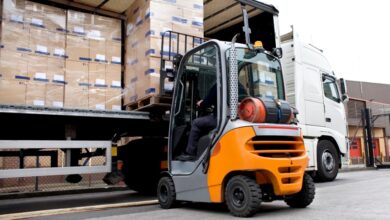
Keeping old equipment alive feels satisfying when a repair solves the problem and puts the machine back to work. The math changes, however, once repairs start arriving more often. What looked like a cheap fix is beginning to eat into labor and confidence in the equipment.
When you reach the point where repairing your work gear costs more than it does, the repair bill rarely tells the whole story. Downtime matters too, and so does the risk of another failure showing up during an important job. At some point, replacing worn equipment starts making more financial sense than keeping it alive one repair at a time.
Track What Repairs Really Cost
Old equipment has a way of making every repair feel separate. A hose replacement in March seems unrelated to an electrical issue months later. By the end of the year, though, those smaller expenses might add up to a serious amount. Keep a basic repair history for equipment that matters to daily work. Record what failed and how much the fix cost. Include any time the machine stayed unavailable.
Once everything sits in one place, patterns become easier to recognize. One expensive repair might still make sense on an otherwise dependable machine. However, several smaller repairs within a short period tell a different story.
Count Downtime as Part of the Bill
A $500 repair does not cost only $500 if the machine stops a crew for half a day. Lost time quickly changes the financial picture. Employees might wait for equipment while a job falls behind. Another project might need to be rescheduled because the machine did not return as expected.
The impact increases when no backup equipment is available. If one machine handles a critical part of the work, every breakdown carries more weight. Instead of asking what the repair costs, look at what the failure costs. Once lost productivity is factored in, replacement sometimes becomes easier to justify.
Separate Cosmetic Wear From Performance Loss
Old equipment often looks rough long before its performance starts to slip. Scratches or faded paint might make a machine look tired, yet surface wear alone does not tell you whether replacement makes financial sense.
The more important question is what is happening underneath. A component might still look serviceable even as internal wear begins to affect pressure, output, or consistency. Once those performance changes show up during regular work, a cosmetic fix no longer solves the real problem.
For example, this matters when comparing refinishing versus replacing used foam rig partsduring foam insulation projects. Refinishing makes sense when the wear stays limited to a surface that still has enough material and structural integrity for continued use. However, replacement becomes the stronger option when repeated use has affected the part beyond what resurfacing will correct.
Stop Paying for the Same Problem Twice
Repeat failures deserve more attention than a new issue. If the same part keeps giving trouble, the real cause might lie elsewhere in the system. Poor alignment might place extra stress on the replacement, while another worn component might keep forcing the same part beyond its normal limits.
Replacing the failed piece again only buys time when the underlying cause remains. Before approving another repair, look back at what happened last time. Did the fix restore normal performance, or did the machine simply run long enough to reach the next breakdown?
Compare Repair Cost With Remaining Useful Life
Repair decisions become clearer when you stop comparing one bill with the full price of replacement. A $1,500 repair on a $12,000 machine might look reasonable at first. The better question asks how much dependable service that $1,500 is likely to buy.
If the rest of the equipment remains in good condition, the repair might offer solid value.
Before spending more money, consider:
- How frequently the machine has needed repairs
- How much downtime recent failures created
- Whether the equipment still handles current workloads
- How easily replacement parts remain available
- How long the repair should extend useful service
- Whether replacement would solve recurring limitations
This approach puts the decision in a longer-term context rather than letting a single repair estimate drive the choice.
Pay Attention When Parts Get Harder to Find
Aging equipment sometimes becomes expensive before it becomes unusable. Parts availability plays a large role here. Manufacturers eventually stop supporting older models, while suppliers begin carrying fewer components. A simple repair then turns into a search for a part that takes days or weeks to arrive.
Used components might help in some situations, but they also introduce uncertainty about remaining life. Saving money upfront loses some appeal when the replacement part brings its own wear history. Reliability depends partly on how quickly the equipment is returned to service after a failure.
Match Reliability to the Work You Do
Not every piece of gear needs the same level of dependability. A backup machine that sees occasional use has more room for age-related quirks. Primary equipment, on the other hand, carries a different responsibility. If a machine supports daily production or travels to important jobs, one breakdown has a greater impact.
That difference changes the repair decision. An older compressor in a personal workshop might warrant another fix, but the same machine on a commercial job with a tight deadline poses greater financial risk.
Look at What a Replacement Solves
Replacing equipment makes the most sense when the new machine fixes problems the old one keeps creating. Newer equipment might reduce maintenance time, or its better controls might make daily operation easier.
Still, a newer model does not warrant the investment simply because it offers more features. Compare the upgrade with the work you actually do! If the replacement improves reliability and removes recurring limitations, the higher upfront cost starts looking different.
Know When To Retire Good Equipment
People get attached to work gear for good reasons. A reliable machine might have handled years of jobs and paid for itself several times over. However, that history does not mean it needs one more repair.
Retiring equipment before complete failure sometimes protects more value. When you reach the point where repairing your work gear costs more than it does, the answer usually appears gradually. Repairs start arriving closer together, or downtime becomes harder to shrug off.
Another repair might keep the machine running, but the better question asks whether it still keeps the work moving.