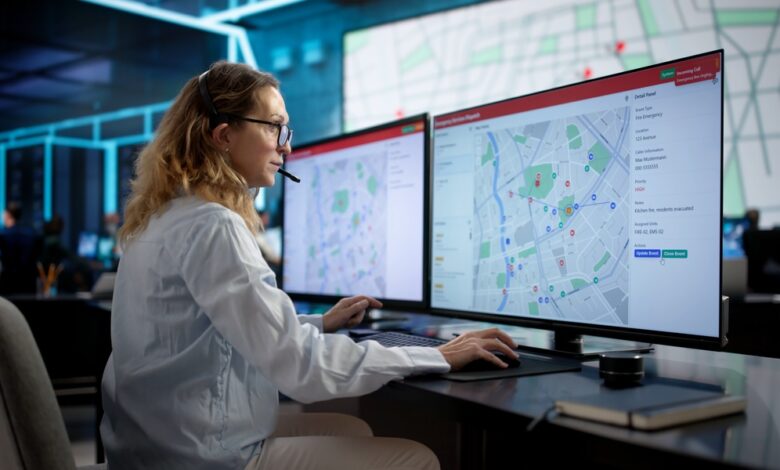
A 911 dispatch center carries enormous responsibility, since each call may place human safety in the hands of calm professionals. Employees must interpret urgent information and coordinate emergency resources without room for careless errors or preventable delays. The physical workplace has a direct effect on how well those professionals maintain focus across demanding shifts.
A more inclusive center recognizes that employees have different physical needs, career histories, communication styles, and levels of experience. Efficiency grows when the workplace responds to those differences instead of forcing staff to adapt to rigid equipment or outdated policies. Making a 911 dispatch center more inclusive and efficient will create an atmosphere where each dispatcher has fair access to the support necessary for dependable emergency service.
Put Employee Needs at the Center
Dispatch centers operate best when the physical space reflects the people who use it rather than a single standard employee profile. Staff members vary in height, mobility, strength, vision, and comfort, so rigid work areas can create obstacles that affect daily performance. A responsive workplace gives each professional more control over personal comfort without disruption to essential duties.
Managers can gain valuable insight when they ask employees how the center affects concentration, comfort, and access across a normal shift. Small concerns often reveal larger workplace flaws that may escape notice from supervisors who spend less time at active consoles. Direct employee input gives leaders practical evidence for changes that can strengthen the entire center.
Create Workstations That Fit More People
A workstation should adapt to the dispatcher instead of forcing the dispatcher to tolerate an uncomfortable position for several hours. Adjustable desks and monitor arms can support different body types without major changes between shifts or expensive alterations to each console. Easy access to radios and controls also reduces excess movement when rapid decisions demand complete attention.
Personal adjustments matter even more in centers where several employees share the same station across different shifts each week. One employee may need a higher screen, whereas another may require greater legroom or a different distance from essential controls. Flexible equipment makes those changes simple and keeps personal comfort from becoming an obstacle to efficient work.
Give Experienced Employees Proper Physical Support
Veteran dispatchers bring valuable judgment to emergency communications. Their expertise deserves a workplace that accounts for physical changes that can occur across a lengthy career in emergency communications. A rigid chair can create unnecessary discomfort and distract attention from tasks that demand sustained mental focus.
Learning how suspension in 24-hour chairs benefits older employees will help achieve an environment that respects physical differences without sacrifice to performance. Responsive chair support can adapt to body movement and reduce pressure from extended periods at a console. Better furniture also sends a clear message that employee experience deserves practical support throughout every stage of a dispatch career.
Make Accessibility Part of the Entire Center
An accessible console has limited value if an employee faces obstacles across hallways or essential facility spaces. Clear paths can support staff with mobility needs and allow everyone to move through the center without unnecessary physical barriers. Accessible doors and storage also give employees greater independence across routine tasks.
Break areas deserve the same attention because staff need comfortable spaces away from the intense atmosphere of emergency calls. A room that excludes certain employees through narrow access or poorly placed furniture can weaken the center’s broader commitment to inclusion. Every part of the facility should reflect the same respect for different physical needs.
Use Technology That Adapts to Employees
Modern dispatch technology should make urgent information easier to access rather than add unnecessary complexity. Clear displays and simple controls can support employees with different visual or physical needs without slow access to essential emergency information. Technology becomes more inclusive when staff can adjust important features to match personal requirements.
Employee feedback should influence major technology choices. A feature that appears useful during a short demonstration may create frustration after several hours of repeated use. Staff evaluations can expose those problems before an agency commits substantial resources to a new system.
Build Respect Into Team Communication
Inclusive workplaces depend on respect between colleagues with different ages, backgrounds, abilities, personalities, and levels of professional experience. Supervisors set the standard through clear expectations and prompt responses when dismissive conduct threatens trust across the team. Employees should feel safe when they raise workplace concerns that affect their ability to perform essential duties.
Open communication also gives newer employees access to knowledge from veteran dispatchers who have handled difficult situations across many years. Experienced staff can offer context that no manual can fully capture, and newer professionals can contribute fresh perspectives on current systems. Mutual respect allows those strengths to complement each other without unnecessary division between generations or roles.
Prepare for Different Caller Needs
An inclusive dispatch center must consider the public as carefully as it considers the employees who answer emergency calls. Callers may have disabilities or severe stress that affects how clearly they communicate important details. Dispatchers need practical resources that help them respond with patience without assumptions about a caller’s ability.
Clear protocols can support communication when a standard voice call does not meet a person’s needs. Employees should know how to access available tools quickly and use them without confusion when seconds carry serious consequences. Inclusive communication strengthens public service because more callers can receive respectful assistance that reflects their individual circumstances.
Use Employee Experience as Operational Evidence
Call statistics provide valuable information, but numbers cannot reveal every physical or cultural barrier inside a dispatch center. Employees experience the workplace hour after hour and often notice patterns that formal performance reports cannot capture. Their observations can reveal where equipment or facility design creates unnecessary friction.
Leaders should treat repeated concerns as useful operational evidence rather than isolated complaints with little relevance to center performance. A minor adjustment can sometimes resolve a problem before it affects concentration or staff retention across the department. Regular conversations with employees keep improvement connected to real workplace conditions instead of assumptions from outside the console area.
Create a Culture That Can Adapt
A center does not become inclusive through one renovation or technology upgrade. Employee needs change over time, and new staff members may reveal barriers that previous teams never experienced. Leaders need a workplace culture that remains open to practical change whenever new needs become clear.
Adaptability also helps a dispatch center respond to workforce changes without major disruption to established operations. Employees gain confidence when they know leaders will consider reasonable adjustments instead of expecting silent tolerance of avoidable obstacles. That confidence can strengthen trust across the center and help staff direct more attention toward the public they serve.
A more inclusive and efficient 911 dispatch center starts with respect for the professionals who manage urgent communication every day. Physical comfort, accessibility, adaptable technology, fair schedules, and open communication all shape how employees experience their demanding workplace. Each thoughtful decision can remove a barrier that might otherwise compete with focus at a critical moment.
The strongest centers recognize that efficiency depends on people rather than equipment or performance statistics alone. When employees have practical support, they can bring more attention and confidence to each caller who depends on their judgment.