Simple Ways to Keep Your Car Looking New Longer
Keep your car looking newer for longer with simple maintenance habits. Smart cleaning can help preserve your vehicle’s appearance and prevent premature wear.

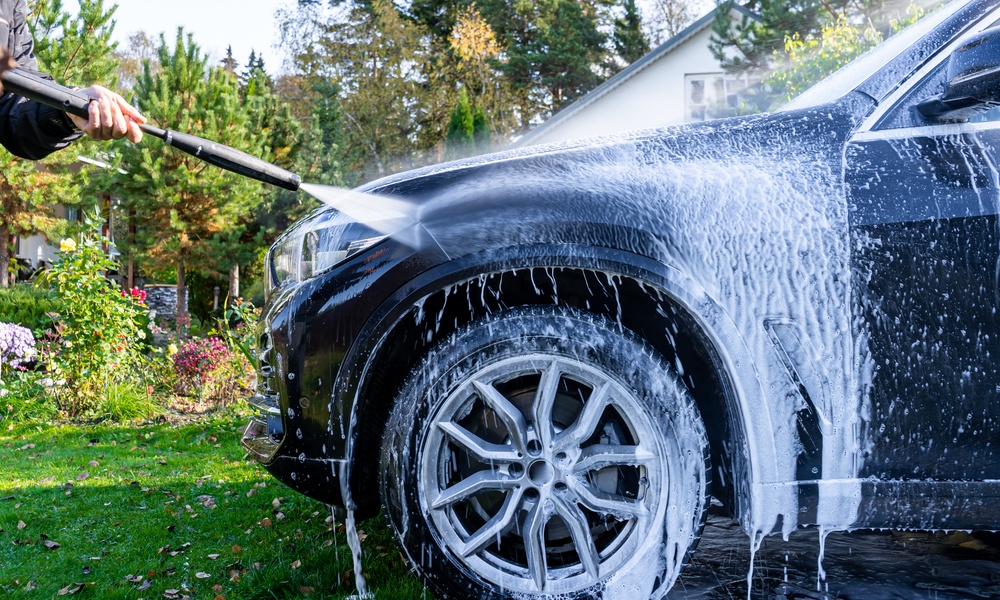
A new car has a certain magic. The paint shines and the interior somehow remains free of mysterious crumbs that appear even when nobody remembers eating in the car. Unfortunately, everyday driving starts attacking that showroom look almost immediately.
Table Of Content
- Wash Your Car Before Dirt Settles In
- Use Washing Techniques That Protect the Finish
- Protect the Paint From Environmental Damage
- Give Your Wheels Some Attention
- Keep the Interior From Aging Prematurely
- Fight Sun Damage Inside and Out
- Be Smart About Where You Park
- Don’t Forget Headlights and Exterior Trim
- Make Car Care a Routine Instead of a Rescue Mission
- Like this
- Related
Sunlight, road debris, dirt, and regular use can slowly make even a well-loved vehicle look tired. The good news? Keeping a car looking newer doesn’t require spending every Saturday detailing it with a toothbrush. A few smart habits can keep your car looking new and protect its appearance for longer.
Wash Your Car Before Dirt Settles In
Regular washing does more than make your vehicle look good for the weekend. Dirt, road salt, bird droppings, insects, and other contaminants can cling to exterior surfaces and gradually damage the finish. Removing them before they settle helps protect the paint.
How often should you wash? Driving conditions matter more than a rigid schedule. Someone who regularly encounters construction dust, salted winter roads, or muddy streets may need more frequent washes than a driver whose car spends most of its time in a garage.
Avoid waiting until you can practically write your name in the dirt. By that point, contaminants have already spent plenty of quality time with your paint. A quick wash at the right time can prevent considerably more work later.
Use Washing Techniques That Protect the Finish
There is washing your car, and then there is aggressively moving dirt around its paint. The second approach may remove grime, but it can also leave behind tiny scratches and swirl marks that become especially noticeable under bright sunlight.
Start by rinsing loose debris from the vehicle before touching the surface. Use automotive wash products instead of household cleaners that may strip protective coatings. Clean microfiber towels and wash mitts also reduce the chance of dragging abrasive particles across the finish.
Anyone with a wrapped vehicle should also know how to properly wash and maintain a car wrap, since aggressive chemicals and rough washing methods can shorten the material’s lifespan. Following care recommendations for the specific exterior finish helps preserve its appearance much longer.
Protect the Paint From Environmental Damage
Your car spends its life fighting the environment, and the environment does not fight fair. UV exposure can gradually dull exterior finishes, while tree sap and bird droppings can create stubborn spots if they remain on the surface too long.
Wax and modern protective products create another layer between the finish and environmental contaminants. They also make routine washing easier because dirt has a harder time bonding directly to the painted surface.
Pay particular attention to contamination that appears suddenly. Bird droppings and tree sap deserve quick attention, not waiting for the next scheduled wash. Prompt removal reduces the chance of staining or etching.
Give Your Wheels Some Attention
Fresh paint loses some of its visual impact when the wheels look like they survived a rally race. Brake dust and road contaminants accumulate quickly around wheels because they sit directly beside some of the messiest parts of the vehicle.
Use cleaners appropriate for your wheel finish rather than assuming every chemical works safely on every material. Some aggressive cleaners can damage sensitive finishes. A dedicated wheel brush can also reach areas that an ordinary wash mitt struggles to clean.
Regular cleaning keeps brake dust from building into a stubborn layer. It also lets you inspect the wheels for curb damage, chips, or other imperfections before minor cosmetic issues become harder to fix.
Keep the Interior From Aging Prematurely
A shiny exterior only tells half the story. Open the door to stained seats and enough fast-food receipts to reconstruct your entire summer, and that “new car” feeling disappears pretty quickly.
Small cleaning habits prevent interior messes from becoming major projects. Remove trash regularly, vacuum high-traffic areas, and wipe surfaces with products designed for your vehicle’s interior materials. Avoid harsh household chemicals unless the manufacturer specifically recommends them.
A simple interior routine might include:
- Vacuuming seats, carpeting, and floor mats regularly
- Wiping dust from the dashboard and center console
- Cleaning spills as soon as they happen
- Using appropriate cleaners on leather, vinyl, or fabric
- Keeping microfiber towels in the garage for quick cleanups
These tasks require far less effort when you handle them consistently. Waiting six months transforms a quick cleanup into an archaeological excavation.
Fight Sun Damage Inside and Out
The sun does not need physical contact to make your vehicle look older. Ultraviolet exposure can affect exterior paint and contribute to fading and deterioration across dashboards, seats, trim, and other interior materials.
Whenever possible, park inside a garage or beneath covered parking. When covered parking isn’t available, a windshield sunshade can reduce direct sunlight reaching the dashboard and front seating area. Strategic parking can make a noticeable difference over years of ownership.
Window tint may also reduce heat and UV exposure, depending on the product. Make sure any tint complies with applicable local laws. Modern films offer different levels of heat rejection and UV protection, so research the specifications rather than choosing based only on darkness.
Be Smart About Where You Park
Parking decisions can quietly determine how quickly a car’s appearance deteriorates. The closest parking spot might save 45 seconds of walking, but it may also place your vehicle beside shopping carts, crowded doors, dripping trees, or drivers who treat door clearance as an abstract concept.
Look for spaces that provide reasonable room on both sides. Avoid parking beneath trees that produce heavy sap or attract large numbers of birds whenever practical. During severe weather, covered parking can provide valuable protection from hail and flying debris.
You don’t need to park three zip codes away from everyone else. Simply choosing spaces with lower exposure to obvious hazards can reduce scratches, dents, stains, and other cosmetic damage over time.
Don’t Forget Headlights and Exterior Trim
Paint receives most of the attention during car care, but several smaller exterior components can make a vehicle look older when they deteriorate. Cloudy headlights and neglected rubber pieces can age an otherwise clean car surprisingly quickly.
Cloudy headlights deserve special attention because appearance isn’t the only concern. Severe oxidation can reduce light output and affect nighttime visibility. Restoration may improve moderately oxidized lenses, while heavily damaged assemblies may eventually require replacement.
Make Car Care a Routine Instead of a Rescue Mission
Keeping a vehicle looking new becomes much easier when you maintain it gradually. A ten-minute cleanup today beats spending an entire afternoon battling months of grime, stains, brake dust, and whatever unidentifiable substance has taken permanent residence in the cupholder.
Consistency matters more than chasing showroom perfection. Regular washing and timely attention to minor damage can preserve your vehicle’s appearance for years. Your car still has to live in the real world, but it doesn’t have to look like every mile was a personal attack.




No Comment! Be the first one.