Common Home Maintenance Mistakes to Avoid Year-Round
Avoid common home maintenance mistakes with practical tips to keep your house in great condition. Stay ahead of maintenance challenges and protect your home.

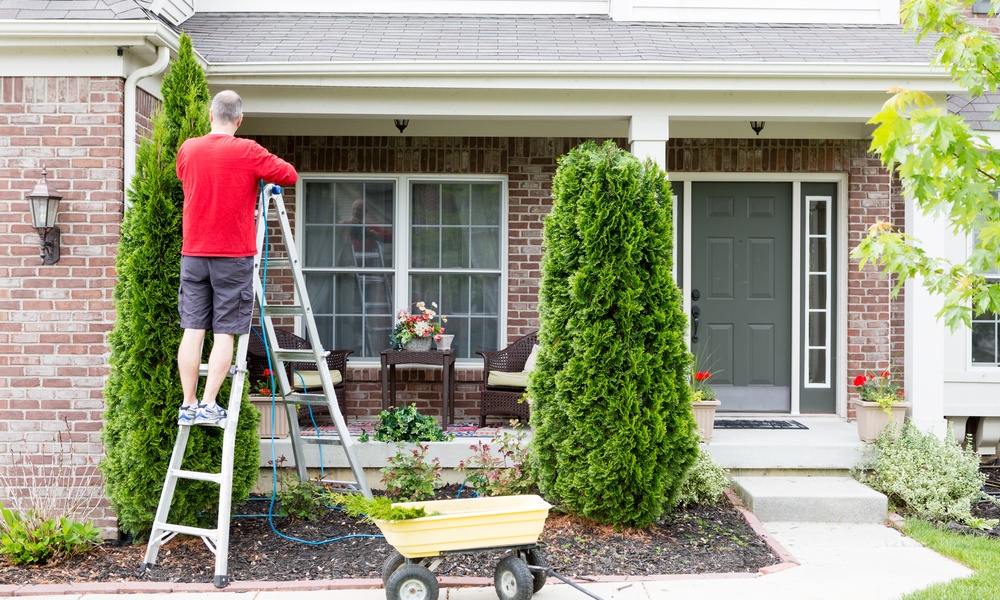
Owning a home comes with a few surprises, and not all of them involve mysterious attic noises. Between unexpected repairs and seasonal upkeep, homeowners have plenty of responsibilities to manage. Unfortunately, ignoring basic maintenance tasks can turn an otherwise peaceful weekend into an expensive emergency.
Table Of Content
- Ignoring Small Repairs Until They Become Expensive
- Forgetting to Inspect Your Roof Regularly
- Neglecting Seasonal Garage Door Maintenance
- Overlooking HVAC Filter Changes
- Skipping Exterior Drainage Maintenance
- Ignoring Warning Signs From Household Plumbing
- Forgetting About Windows and Doors
- Failing to Prepare for Changing Seasons
- Avoiding Professional Help When Necessary
- Keep Your Home Maintenance Routine Simple
- Like this
- Related
But it’s not all bad news. While it might feel impossible, keeping your house in decent shape doesn’t require professional handyman skills or an impressive collection of power tools.
Most homeowners can prevent serious problems through consistent inspections and basic maintenance. Knowing common home maintenance mistakes to avoid throughout the year helps protect your investment and keep your home comfortable.
Ignoring Small Repairs Until They Become Expensive
A dripping faucet might seem harmless, especially when the only noticeable consequence involves an annoying sound at midnight. However, small plumbing problems can gradually increase water bills and cause moisture damage. Loose fixtures and minor cracks can also become bigger headaches when homeowners keep postponing repairs.
Addressing problems early usually costs less than waiting for something to fail. Inspect frequently used fixtures and watch for unusual changes around the house. A little preventive maintenance today can save you from spending your next vacation budget on emergency plumbing repairs.
Forgetting to Inspect Your Roof Regularly
Your roof handles everything Mother Nature throws at it, yet most homeowners rarely think about it. Missing shingles and damaged flashing can let moisture into your home. Once water reaches the attic, it can damage insulation and encourage mold growth.
After major storms, inspect your roof from the ground for visible damage. Check ceilings for discoloration that might indicate a leak. Professional roof inspections can also spot problems homeowners might overlook, especially around chimneys and roof penetrations.
Avoid climbing onto steep roofs without proper safety equipment and training. Saving a few dollars on an inspection isn’t worth risking an emergency room visit. Professional roofers have the equipment and experience to inspect difficult areas safely.
Neglecting Seasonal Garage Door Maintenance
Garage doors wear down significantly over time, especially in regions with dramatic temperature swings. Cold weather can affect lubrication, while humidity may encourage rust on exposed metal components. Unfortunately, many homeowners ignore their garage doors until they refuse to open five minutes before work.
Knowing the dos and don’ts of seasonal garage door maintenance helps homeowners avoid unnecessary repairs. Regularly inspect rollers and tracks for visible wear, and lubricate moving components as the manufacturer recommends. Keep the tracks clean, but don’t use grease, which attracts additional dirt.
Never attempt to adjust garage door torsion springs or high-tension cables yourself. These components store tremendous energy and can cause serious injuries. Contact a qualified technician when the door moves unevenly, makes unusual noises, or struggles to operate.
Overlooking HVAC Filter Changes
Your heating and cooling system works hard to maintain comfortable indoor temperatures. Unfortunately, dirty air filters restrict airflow and force the equipment to work harder than it needs to. This additional strain can increase energy consumption and contribute to premature equipment problems.
Check HVAC filters monthly and replace them based on manufacturer recommendations and your home’s conditions. Homes with pets or significant dust may require more frequent changes. Clean filters support airflow and help your equipment maintain consistent temperatures.
Don’t assume that the most expensive filter automatically provides the best performance. Some high-efficiency filters create excessive resistance in systems that cannot accommodate them. Choose filters that match your equipment specifications rather than selecting products based entirely on impressive packaging claims.
Skipping Exterior Drainage Maintenance
Water might seem harmless when it falls from the sky, but poor drainage can create serious structural problems. Clogged gutters allow rainwater to overflow near foundations, while poorly positioned downspouts can direct moisture toward basement walls.
Inspect gutters throughout the year, especially after heavy leaf accumulation or major storms. Remove debris when conditions allow safe access, and confirm that downspouts carry water away from the foundation. Watch for pooling water around walkways and landscaping beds.
Homeowners should also monitor soil grading near their houses. Ground that slopes toward the foundation encourages moisture accumulation. Correcting drainage problems early can help prevent basement leaks and expensive foundation repairs.
Ignoring Warning Signs From Household Plumbing
Plumbing systems rarely announce problems politely. Instead, they offer subtle warnings, such as reduced water pressure or unexplained damp spots. Watch for unusual plumbing behavior and investigate sudden changes.
Consider these simple plumbing maintenance habits:
- Check beneath sinks for moisture or corrosion.
- Inspect visible supply hoses for cracks and deterioration.
- Monitor water bills for unexplained increases.
- Test accessible shutoff valves periodically.
- Schedule professional inspections when recurring problems appear.
These habits help homeowners identify trouble before water causes extensive damage. Knowing where the main water shutoff valve sits also makes emergencies easier to manage.
Forgetting About Windows and Doors
Windows and exterior doors contribute significantly to indoor comfort. Unfortunately, worn weatherstripping and deteriorating seals can let drafts into living spaces. These small openings make heating and cooling systems work harder during extreme weather.
Inspect weatherstripping around doors and windows at least twice annually. Replace damaged materials and examine frames for signs of moisture intrusion. Check whether windows operate smoothly and confirm that exterior doors close securely without excessive force.
Don’t ignore doors or windows that suddenly stick or become difficult to operate. Seasonal expansion sometimes causes minor changes, but persistent problems may indicate frame deterioration or shifting. Addressing these issues promptly helps preserve energy efficiency and everyday convenience.
Failing to Prepare for Changing Seasons
One of the biggest home maintenance mistakes involves treating every season the same. Summer heat creates different challenges than freezing winter temperatures. Without seasonal preparation, homeowners may overlook vulnerabilities that become obvious only after damage occurs.
Before winter arrives, disconnect exterior hoses and protect vulnerable plumbing against freezing temperatures. During warmer months, inspect outdoor equipment and examine areas that experienced winter damage. Spring and fall also provide convenient opportunities to review drainage conditions.
Create a maintenance calendar that matches your local climate—schedule recurring inspections instead of relying on memory. Your phone already reminds you about meetings and birthdays, so it might as well remind you to check the gutters.
Avoiding Professional Help When Necessary
DIY projects can save money, but some repairs require specialized knowledge. Electrical work and structural problems can create serious safety risks when homeowners attempt repairs beyond their abilities. Watching three online tutorials doesn’t automatically qualify someone to rewire an electrical panel.
Recognize when a problem requires professional attention. Licensed contractors can diagnose complicated issues and recommend appropriate repairs. Their expertise often prevents costly mistakes inexperienced homeowners might make when tackling unfamiliar work.
Keep Your Home Maintenance Routine Simple
Avoiding common home maintenance mistakes doesn’t require spending every weekend fixing something. Consistent attention to small problems helps homeowners reduce unexpected expenses and protect their property. A practical maintenance schedule makes routine responsibilities easier to manage without overwhelming your free time.
Start with the areas that affect safety and structural integrity, then address smaller maintenance concerns as time allows. Keep records of inspections and completed repairs to track recurring issues. With a little planning, homeowners can spend less time dealing with preventable disasters and more time actually enjoying their homes.








No Comment! Be the first one.