Signs Your Home’s Storage Solutions Are No Longer Working
Cluttered closets, crowded floors, and missing supplies can signal failing storage. See how to spot real problems and make every room work better in daily life.

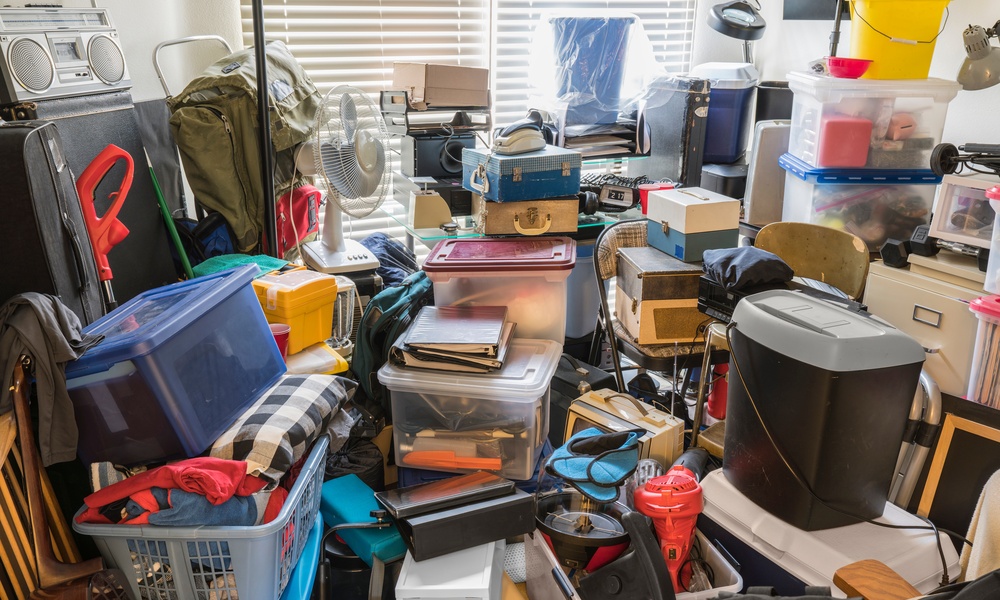
A home can have plenty of cabinets, closets, and shelves yet still feel difficult to manage. Storage arrangements that once made sense may gradually become obstacles as routines change, belongings accumulate, and rooms take on new purposes. The problem is not always a shortage of square footage. Sometimes, the space available simply no longer matches how the household uses it. Recognizing signs your home’s storage solutions are no longer working can help you address everyday frustrations before they become expensive or overwhelming. Instead of immediately buying more containers, consider whether the current setup supports the way you live.
Table Of Content
- You Keep Moving the Same Items Around
- Everyday Essentials Are Hard to Reach
- Closets and Cabinets Never Stay Organized
- Floors and Walkways Have Become Storage Areas
- You Are Buying Duplicate Items
- Rooms Cannot Serve Their Intended Purpose
- Seasonal Changes Cause Major Disruption
- Your Storage System Cannot Adapt
- How to Reset Your Storage Priorities
- A More Functional Home Starts With Better Habits
- Like this
- Related
You Keep Moving the Same Items Around
One of the clearest warnings is a constant cycle of relocating belongings without finding a lasting place for them. A stack of mail moves from the kitchen counter to the dining table, while cleaning supplies migrate between closets whenever guests arrive.
These temporary solutions create the appearance of progress but rarely solve the underlying issue. Look at where items naturally collect. Those locations often reveal where storage is needed most. A small organizer near the entryway may be more useful than another large cabinet in a room nobody visits during the morning rush.
Everyday Essentials Are Hard to Reach
Storage should make frequently used belongings easier to retrieve, not turn simple tasks into searches. If reaching a mixing bowl requires unloading an entire cupboard, or finding a winter coat means opening several bins, the arrangement may be working against you.
Frequency of use should guide placement. Reserve accessible shelves and drawers for daily essentials, and move rarely used items to higher or more remote areas. Labeling containers can help, but labels cannot compensate for shelves that are packed so tightly that nothing can be removed comfortably.
Closets and Cabinets Never Stay Organized
An occasional messy drawer is normal. When a closet becomes chaotic again within days of being cleaned, however, the system may be too complicated or too small for its contents. Deep shelves can conceal items behind other items, and oversized bins may encourage people to toss unrelated belongings together.
Consider whether each category has enough dedicated room and whether household members can return items without extra effort. Adjustable shelves, drawer dividers, and open compartments can improve visibility. Just as important, removing unused belongings prevents even a well-designed storage area from becoming overloaded.
Floors and Walkways Have Become Storage Areas
When boxes, shoes, tools, or sports gear regularly occupy the floor, storage problems begin affecting comfort and safety. Crowded pathways make cleaning harder and can increase the risk of trips or falls. Garages and utility rooms are especially prone to this problem because bulky equipment often ends up wherever there is an open patch of floor.
In those areas, using walls effectively may free valuable room for movement. For example, understanding the warning signs that a garage needs improved wall storage can help homeowners decide when hooks, shelving, or another organized system would be more practical than stacking equipment in corners.
You Are Buying Duplicate Items
Finding several nearly identical tape measures, batteries, or cleaning products is often a sign that belongings are not visible when needed. People purchase replacements because they cannot locate what they already own.
Over time, duplicates consume additional space and make the original problem worse. Group similar items together and choose containers that let you see or identify their contents. Keep a single designated location for household staples, and check it before shopping. This approach can reduce unnecessary spending while making inventory easier to manage.
Rooms Cannot Serve Their Intended Purpose
A spare bedroom filled with overflow storage cannot easily accommodate visitors. A dining room used for unopened packages may no longer feel welcoming at mealtimes. When stored possessions begin dictating how rooms function, it is worth reassessing what deserves space in the home.
Start by identifying each room’s primary purpose and the belongings that support it. Then relocate, donate, or discard items that interfere with that purpose. Multiuse furniture and vertical shelving can help, but they should support a room’s activities rather than disguise excessive accumulation.
Seasonal Changes Cause Major Disruption
Switching from summer gear to winter supplies should not require emptying multiple closets or dismantling an entire garage. If each seasonal transition becomes a major project, stored items may be grouped poorly or placed without considering how often they are needed.
Keep seasonal categories together, use consistent labels, and make sure the current season’s equipment is accessible. Items used only once a year can occupy less convenient locations, provided they remain safe to retrieve. A simple rotation plan can prevent seasonal storage from disrupting the rest of the household.
Your Storage System Cannot Adapt
Households change. Children grow, hobbies expand, remote work creates new equipment needs, and accessibility requirements may shift over time. Fixed arrangements that worked several years ago may now feel restrictive. Flexible storage is often more valuable than maximizing every inch with permanent fixtures.
Modular shelves, adjustable rails, and movable organizers can be rearranged as priorities change. Before investing in an upgrade, consider which belongings are likely to increase, which may disappear, and who needs to access them. Planning for change can prevent another complete reorganization a year later.
How to Reset Your Storage Priorities
Rather than reorganizing the entire house at once, choose the area causing the most frequent inconvenience. Empty only the relevant section, sort belongings by purpose and frequency of use, and measure the available space before purchasing anything new.
Test the arrangement for a week to see whether people can find and return items easily. If clutter quickly returns, reconsider the location or the number of things being stored. The most effective systems are intuitive enough that they require little explanation and minimal ongoing effort.
A More Functional Home Starts With Better Habits
Recognizing when your household storage setup stops meeting everyday needs is an opportunity to improve how your home functions, not simply an invitation to add more shelves. Thoughtful placement, realistic limits, and adaptable organizers can make existing rooms easier to use. By addressing recurring trouble spots and building habits around where things belong, homeowners can reclaim space without turning organization into a constant project. The goal is a home where belongings support daily life instead of getting in its way.







No Comment! Be the first one.