Essential Equipment Every Small Dairy Farm Needs
From milking machines to backup power, small dairy farms rely on dependable equipment. Learn which tools support milk quality, animal care, and efficiency.

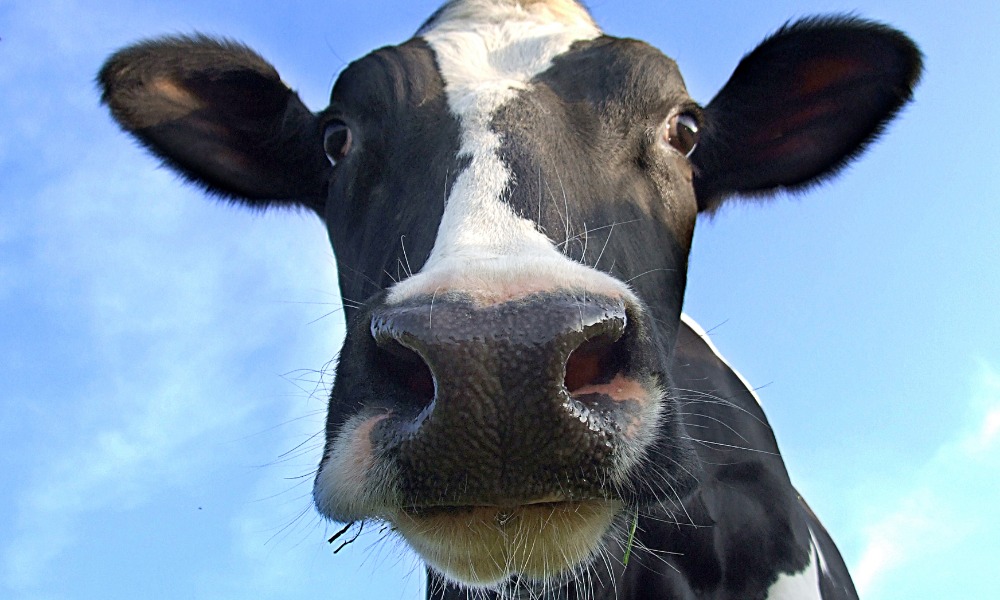
Running a small dairy farm takes more than a few cows, open land, and an alarm clock set before sunrise. Daily chores can quickly become overwhelming without the right tools. Every small dairy farm needs equipment that saves time without compromising animal care or milk quality. Here’s a closer look at the essentials that keep operations running smoothly and what to consider when selecting them.
Table Of Content
Milking Machines
Milking machines are a worthwhile investment for small dairy farms, especially once milking an entire herd by hand becomes too demanding. They use controlled vacuum pressure and pulsation to draw milk through teat cups, reducing the physical effort required during each session. Depending on the farm’s layout and herd size, operators can choose portable machines or fixed systems installed in dedicated milking areas.
Beyond saving time, a dependable milking machine makes it easier to maintain a consistent routine for the cows. However, its performance depends on several components working together, including the vacuum pump and teat cups. Regular inspections and proper maintenance keep these parts functioning as intended while reducing the risk of equipment failures and unnecessary discomfort for the animals.
Milk Cooling Tanks
Freshly collected milk needs prompt cooling to slow bacterial growth and maintain its quality. That’s why reliable refrigeration is essential for every small dairy farm, especially when milk must be stored before pickup or processing. Insulated cooling tanks use refrigeration systems to bring milk to the required temperature and maintain it throughout storage.
For smaller operations, a compact bulk tank may be more practical than a large commercial unit that exceeds the farm’s production needs. Automatic temperature controls and built-in agitators can simplify daily operation, while accessible surfaces make cleaning easier. Before purchasing a tank, farmers should also consider its capacity and the availability of local repair services.
Portable Milking Buckets
Portable milking buckets are particularly useful for smaller herds and farms without permanent milking parlors. These systems collect milk in a sealed container connected to a vacuum source and teat cups, allowing cows to be milked without extensive pipeline installations. Their mobility also makes them convenient when individual animals need to be milked separately or in different locations.
Portable milking equipment needs proper setup and regular maintenance to work safely and efficiently. A common mistake when using a milking bucket is overlooking worn seals or loose connections, which can cause vacuum leaks and disrupt milk collection. Checking these components before each session and replacing damaged parts can prevent interruptions and keep the milking process comfortable for cows.
Choosing the Right Bucket Capacity
The right bucket capacity depends on how much milk is collected during a session and how frequently the container needs emptying. A bucket that’s too small creates unnecessary interruptions, especially when several cows are being milked in succession. On the other hand, an oversized container can be difficult to move safely once it’s full. Farmers should balance capacity with manageable weight and fittings that are easy to disassemble for cleaning.
Cleaning and Sanitation Equipment
Clean equipment is essential for producing safe, high-quality milk, since any surface that contacts milk can become a source of contamination. Residue inside hoses, buckets, or storage containers can encourage bacterial growth if it isn’t removed properly. Every dairy operation therefore needs a cleaning setup suited to its equipment and consistent with applicable sanitation requirements.
A well-organized cleaning station should include the following supplies:
- Approved dairy detergents break down milk fats and other residues that accumulate on equipment surfaces.
- Food-contact sanitizers reduce microbial contamination when applied at the recommended concentration and contact time.
- Dedicated cleaning brushes reach fittings and other areas that require manual scrubbing.
- Water heating equipment provides water at temperatures specified for the cleaning products and equipment being used.
- Drying racks and clean storage areas keep sanitized components protected from contamination until their next use.
Feeding Equipment
Feeding a herd is a daily commitment, and the right equipment can make the job considerably less labor-intensive. Sturdy feed troughs and hay racks allow cows to access their feed while limiting unnecessary spillage. Proper storage bins also protect feed from moisture and pests, reducing waste before it even reaches the animals.
Depending on the operation’s size, feed carts or compact mixers may help prepare and distribute rations. A farm with only a few cows won’t necessarily need the same machinery as one managing several dozen animals. The priority is choosing equipment that suits the feeding plan and can withstand daily use without requiring constant repairs.
Watering Systems
Dairy cows need reliable access to clean drinking water, particularly during hot weather or periods of high milk production. Automatic waterers and properly sized troughs can maintain a consistent supply without requiring someone to refill containers throughout the day. Because water consumption changes with temperature, diet, and milk output, the system must accommodate demand fluctuations.
Here are features farmers should look for when planning a watering setup:
- Automatic refill valves maintain water levels as cows drink, reducing the need for manual filling.
- Accessible drinking troughs provide enough space for animals to drink comfortably without excessive competition.
- Freeze protection prevents water lines and drinking points from becoming unusable during cold weather.
- Easy-drain designs allow accumulated debris to be removed during routine cleaning.
- Secure plumbing connections minimize leaks and reduce the risk of unexpected water interruptions.
Monitoring Tools and Backup Power
Even relatively simple dairy operations depend on equipment that needs regular monitoring to perform reliably. Digital thermometers and pressure gauges provide useful readings, while environmental sensors can track conditions inside barns and other facilities. These devices can’t replace hands-on inspections, but they make it easier to spot changes before they become bigger problems.
Power outages present another challenge, particularly when refrigeration, ventilation, or automated watering systems depend on electricity. A properly sized backup generator can keep critical equipment operating during an interruption, provided it’s installed and connected safely. Before selecting a system, farmers should identify their essential electrical loads and consult a qualified professional about power capacity and installation requirements.
A well-equipped dairy farm doesn’t need every new machine on the market to operate efficiently. What it does need is dependable equipment that supports animal care, protects milk quality, and makes routine work manageable. By prioritizing tools suited to their herd size and facilities, farmers can avoid unnecessary expenses while building a more practical daily workflow. With consistent maintenance and thoughtful equipment choices, even a modest operation can run smoothly without turning every chore into an all-day project.








No Comment! Be the first one.