How to Choose Durable Materials for Your Home
Choose durable materials for your home that withstand everyday wear and harsh weather. Find practical options that offer lasting value and fewer repairs.

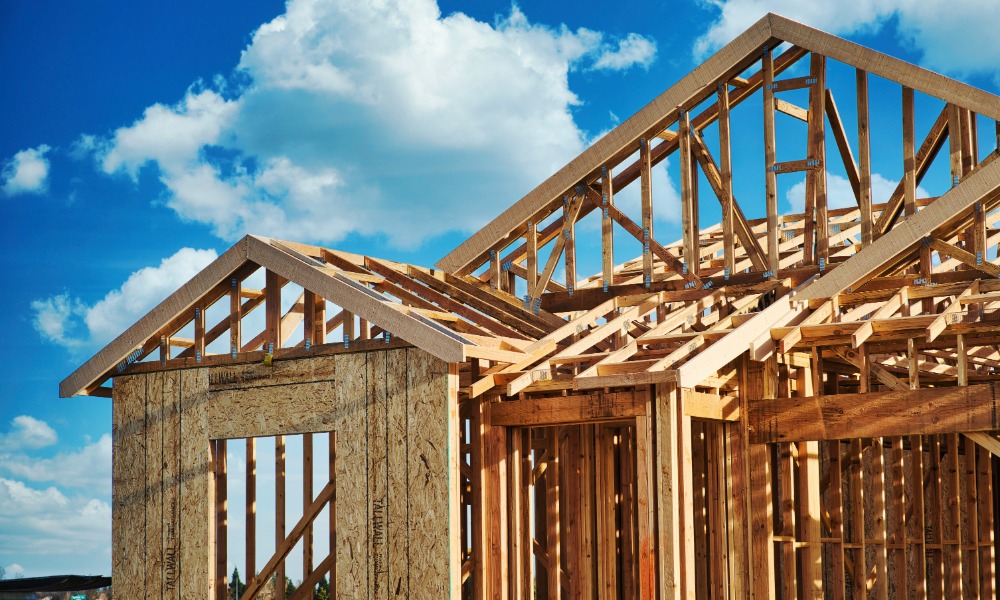
Your home should handle everything life throws at it, from unpredictable weather to the occasional furniture-moving disaster. Unfortunately, some building materials look fantastic in a showroom but struggle to survive everyday wear. Choosing durable materials for your home helps you avoid expensive repairs and the frustration of replacing something that should have lasted much longer.
Table Of Content
- Consider Your Local Climate Before Choosing Materials
- Choose Roofing Materials That Offer Long-Term Protection
- Select Exterior Siding That Can Handle Everyday Exposure
- Invest in Flooring That Matches Your Lifestyle
- Look for Durable Windows and Doors
- Pay Attention to Material Quality and Construction
- Balance Upfront Costs With Long-Term Value
- Understand the Importance of Proper Installation
- Maintain Your Materials to Extend Their Lifespan
- Make Durability a Priority
- Like this
- Related
Whether you’re building a house or upgrading your current space, material selection deserves serious attention. A beautiful finish means very little if it starts falling apart after a few years. The trick involves finding products that combine lasting strength with practical maintenance requirements, all without draining your savings account.
Consider Your Local Climate Before Choosing Materials
Mother Nature doesn’t care how much you spent on your beautiful new siding. Extreme temperatures can weaken certain materials, while excessive moisture encourages deterioration. Before making major purchases, consider how your local climate might affect your home’s exterior surfaces year-round.
For example, homes in humid regions benefit from moisture-resistant materials that discourage mold growth. Meanwhile, homeowners in colder climates should prioritize products that withstand repeated freezing and thawing. These conditions can gradually damage vulnerable surfaces, especially when water enters small cracks and expands as it freezes.
Don’t forget about sunlight, either. Prolonged UV exposure can fade certain finishes and weaken some plastics over time. Check manufacturer specifications for weather resistance rather than assuming every product can handle your climate. A little research now beats watching your expensive upgrades deteriorate before their time.
Choose Roofing Materials That Offer Long-Term Protection
Your roof takes more punishment than almost any other part of your house. It faces relentless sunshine, heavy rain, and whatever surprises the weather forecast forgot to mention. Choosing durable roofing materials protects your home’s structure while reducing the likelihood of frequent repairs.
Metal roofing deserves consideration because quality systems can withstand demanding weather conditions and offer impressive longevity. Homeowners researching how metal roofing delivers protection and performance often find that proper installation and protective coatings contribute significantly to its durability. Metal roofs also shed water efficiently when installed correctly.
Asphalt shingles remain another popular option, although their lifespan depends on product quality and environmental conditions. Compare manufacturer warranties, wind ratings, and expected maintenance before deciding. Remember, professional installation matters as much as material quality when protecting your home from the elements.
Select Exterior Siding That Can Handle Everyday Exposure
Exterior siding does more than make your house look presentable to the neighbors. It shields structural components from moisture while enduring temperature changes throughout the seasons. Choosing durable siding helps maintain your home’s appearance without requiring constant repairs or weekend maintenance marathons.
Fiber cement siding offers strong resistance to insects and moisture-related deterioration when homeowners maintain its finish properly. Quality vinyl siding also requires relatively little maintenance, although extreme heat can cause problems. Engineered wood offers another alternative for homeowners who appreciate traditional appearances.
Invest in Flooring That Matches Your Lifestyle
Flooring experiences constant traffic, accidental spills, and the occasional dropped object that somehow weighs more than expected. Choosing the right material requires more than selecting an attractive color. Think about how people actually use each room before committing to a particular flooring product.
Porcelain tile provides excellent wear resistance and handles moisture well, making it practical for kitchens and bathrooms. Luxury vinyl plank flooring offers another durable option for busy households. Its protective wear layer helps resist everyday scratches, though performance varies by product quality.
Solid hardwood can last for generations with proper care and occasional refinishing. However, moisture exposure and heavy impacts can damage its surface. Consider the activity level in each room before choosing flooring, especially if pets frequently race through the house like they’re competing for a championship.
Look for Durable Windows and Doors
Windows and doors face constant movement and environmental exposure. Poor-quality components can develop operational problems that affect comfort and energy efficiency. Investing in reliable materials helps your home maintain consistent indoor temperatures while reducing unnecessary maintenance over time.
Exterior doors require similar attention because they encounter frequent use and changing weather conditions. Fiberglass doors resist many common moisture problems, while properly maintained steel doors provide strength and security. Choose dependable hinges and weatherstripping to support long-term performance.
Pay Attention to Material Quality and Construction
Two products might look nearly identical while offering completely different levels of durability. Manufacturers often use different production methods and material thicknesses, which affect how well products withstand everyday conditions. Looking beyond appearance helps you identify products that offer genuine long-term value.
Before purchasing building materials, evaluate several important characteristics:
- Material thickness: Check whether the product offers sufficient strength for its intended application.
- Protective coatings: Look for finishes that resist corrosion or UV-related deterioration.
- Manufacturer warranties: Review coverage periods and exclusions before comparing products.
- Performance testing: Examine available ratings for impact resistance or weather exposure.
- Maintenance requirements: Determine how much ongoing care the material needs.
Don’t assume the most expensive option automatically delivers the best results. Compare actual performance specifications against your home’s needs. A reasonably priced material with reliable construction can outperform a premium product that doesn’t suit your environment.
Balance Upfront Costs With Long-Term Value
Everyone loves saving money during a renovation, especially when material costs start climbing. However, choosing the cheapest available product can create bigger expenses later. Frequent replacements and ongoing maintenance sometimes outweigh the savings from a lower initial purchase price.
Think about the total cost of ownership rather than the sticker price alone. A durable material might cost more initially but require fewer repairs over its lifespan. This difference becomes particularly important for major investments such as roofing or exterior siding.
When comparing options, calculate how long you expect to stay in your home. Long-term homeowners may benefit from materials with longer service lives, even with higher installation costs. If you plan to sell sooner, prioritize reliable products that also support your property’s market appeal.
Understand the Importance of Proper Installation
Even the toughest building materials can fail when someone installs them incorrectly. Poor fastening techniques or inadequate surface preparation can undermine an otherwise excellent product. That’s why choosing qualified contractors matters just as much as selecting high-quality materials.
For example, improper roof flashing can allow moisture to enter vulnerable areas. Incorrect siding installation can also trap water behind exterior panels. These problems may remain unnoticed until substantial damage develops, turning what seemed like a bargain installation into an expensive headache.
Maintain Your Materials to Extend Their Lifespan
Durable doesn’t mean indestructible, unfortunately. Even high-quality building materials require occasional attention to maintain their appearance and structural performance. Establishing a manageable maintenance routine helps you identify minor issues before they become expensive repairs.
Periodically inspect exterior surfaces for signs of deterioration. Keep drainage systems clear so water moves away from vulnerable building components. Inside your home, use cleaning products that suit each surface to avoid damaging protective finishes.
Make Durability a Priority
Choosing durable materials for your home requires careful consideration of your environment and everyday household needs. The strongest option isn’t always the most practical choice, especially when maintenance demands exceed your available time. Focus on products that offer dependable performance while fitting comfortably within your budget.
Take time to compare materials and consult experienced professionals before starting major improvements. Quality construction and sensible maintenance habits help protect your investment for years. With the right decisions, your home can withstand everyday challenges without turning every weekend into another repair project.








No Comment! Be the first one.