Safety Lessons Every Road Crew Should Keep in Mind
Road crews should keep in mind several practical safety considerations. We discuss them in this guide and support workers with various safety demands.

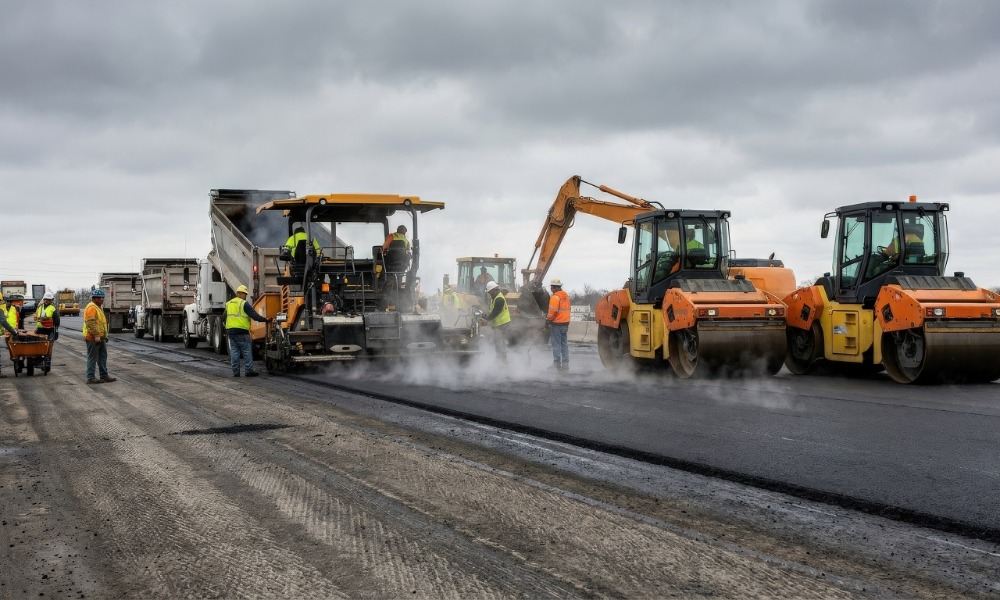
Road construction combines heavy machinery, unpredictable drivers, and enough moving equipment to make even an experienced crew stay alert. Modern technology has improved how workers manage these risks, but a few basic precautions still make the difference between a productive shift and a dangerous incident. Taking a hard look at a few safety lessons every road crew should keep in mind can help workers protect themselves without slowing down the projects that keep America’s transportation networks functioning.
Table Of Content
- Treat Every Driver as an Unpredictable Variable
- Understand Why Visibility Requires More Than Bright Colors
- Keep Heavy Equipment Out of the Guesswork Business
- Make Communication Clear Enough To Survive Jobsite Noise
- Respect the Limits of Smart Safety Technology
- Prepare for Weather That Changes the Entire Job
- Build Better Habits Through Short Safety Reviews
- Make Safety Part of Every Operation
- Like this
- Related
Treat Every Driver as an Unpredictable Variable
Road crews operate beside moving traffic, where a moment of distraction can create serious consequences. Drivers may approach work zones while checking navigation systems, adjusting music, or searching for an unfamiliar exit. Even clearly marked construction areas cannot guarantee that motorists will respond appropriately.
Workers should never assume that approaching vehicles will slow down simply because warning signs appear ahead. Maintaining awareness of traffic patterns helps crews identify dangerous behavior before a vehicle enters their immediate work area. Designated spotters can provide additional protection when equipment operators need to concentrate on specific tasks.
Digital message boards and portable speed-monitoring systems help communicate changing road conditions to motorists. However, workers still need physical separation from traffic whenever the project allows it. Technology improves awareness, but it cannot replace a properly designed work zone.
Understand Why Visibility Requires More Than Bright Colors
Reflective clothing plays an important role in helping motorists recognize workers near active traffic. Fluorescent materials improve daytime visibility, while retroreflective components return light toward approaching headlights after dark. Crews must choose garments that meet applicable safety requirements for their work environment.
Certain assignments also introduce snagging hazards around machinery and moving components. Workers who operate near equipment may benefit from high-visibility breakaway safety vests for roads, depending on the job’s hazard assessment and required garment classification. Breakaway designs allow designated sections to separate under sufficient force, potentially reducing entanglement risks.
Keep Heavy Equipment Out of the Guesswork Business
Excavators, rollers, dump trucks, and paving machines have substantial blind spots. An operator may have excellent visibility from the cab and still miss someone standing beside a tire or behind an attachment. Workers should establish clear communication procedures before entering an equipment operating area.
Backup cameras and proximity-detection systems can improve situational awareness around construction machinery. Some systems use radar or other sensors to warn operators about objects within predefined detection zones. These tools offer valuable assistance, although dust, weather, and equipment configuration can affect performance.
Make Communication Clear Enough To Survive Jobsite Noise
Road construction sites rarely provide quiet working conditions. Engines, compressors, traffic, and power tools create background noise that can make ordinary conversations nearly impossible. Workers need communication methods that remain effective when shouting becomes unreliable.
Two-way radios help supervisors coordinate operations across larger work zones. Hand signals provide another communication option when crews establish their meanings before beginning work. Teams should also confirm who has authority to direct equipment movement and stop an operation.
A useful communication plan addresses the following predictable problems before they become emergencies:
- Establish standardized hand signals for equipment movements.
- Test radios before entering active work areas.
- Identify designated spotters and their responsibilities.
- Create clear procedures for stopping unsafe operations.
- Confirm how workers should report changing traffic conditions.
Every worker should understand the plan rather than relying on one experienced employee to explain it during a crisis. Clear communication saves time because it prevents confusion from becoming a recurring operational problem.
Respect the Limits of Smart Safety Technology
Connected equipment has introduced new possibilities for construction safety. Wearable sensors can monitor certain environmental conditions, while telematics platforms help supervisors track equipment activity and maintenance needs. Digital inspection systems also make it easier to document hazards and follow up on corrective actions.
These technologies work best when companies match them to actual jobsite risks. A sophisticated dashboard provides little value if workers cannot interpret alerts or respond quickly. Employers should evaluate usability, reliability, training requirements, and maintenance before adopting new systems.
False alarms and excessive notifications can also encourage workers to ignore important warnings. Teams should review system performance and adjust procedures when technology creates unnecessary distractions. Smart tools support professional judgment rather than replacing it.
Prepare for Weather That Changes the Entire Job
Road crews encounter changing conditions that can affect traction, visibility, and worker endurance. Rain reduces visibility and creates slippery surfaces, while high temperatures increase the risk of heat-related illness. Strong winds can also destabilize temporary signs and interfere with equipment operations.
Supervisors should monitor weather forecasts and adjust work schedules when conditions become hazardous. Crews need access to drinking water, appropriate rest opportunities, and emergency procedures for extreme temperatures. Workers should also recognize early warning signs of heat exhaustion and other weather-related problems.
Cold weather introduces different challenges, particularly when workers handle metal equipment or stand on frozen surfaces. Proper gloves, footwear, and layered clothing can maintain dexterity and comfort. Planning for changing conditions makes safety more consistent throughout the year.
Build Better Habits Through Short Safety Reviews
Long safety meetings can overwhelm workers with information that has little connection to the day’s assignments. Short, focused discussions often provide more practical value because they address immediate hazards. Supervisors can review traffic changes, equipment movements, and unusual site conditions before work begins.
Near-miss reporting deserves particular attention. A narrowly avoided collision or unexpected equipment movement provides an opportunity to correct a hazard before someone suffers an injury. Workers should feel comfortable reporting these incidents without fearing automatic blame.
Teams can also use photographs and digital inspection records to identify recurring problems. Reviewing actual jobsite examples makes safety conversations more relevant than repeating generic warnings. Consistent feedback helps crews improve without turning every discussion into another lecture.
Make Safety Part of Every Operation
Road construction will always involve moving traffic, powerful equipment, and changing environmental conditions. However, effective planning and clear communication help workers manage those hazards with greater confidence. Modern technology strengthens these protections when crews understand its capabilities and limitations.
The most valuable road crew safety lessons come from treating everyday precautions as essential operating practices rather than optional reminders. Workers who stay visible, communicate clearly, and respect equipment boundaries create safer conditions for everyone around them. After all, finishing the project matters, but getting the entire crew home safely matters considerably more.








No Comment! Be the first one.